
A closer look at Luya X.
The device, the growing, the food, and the details before you apply.
- Retail / MSRP
- $1,099
- Founder price · 20 places
- $899
- After completing the missions
- $299 back · $600 effective price
- First cohort
- 20 households

CES Picks Awards 2026 — Winner
Selected by the editors of TWICE, Residential Systems and TechRadar Pro at CES 2026.

Cornell Rev: Manufacturing Hardware Accelerator
A member of the Manufacturing Hardware Accelerator at Rev: Ithaca Startup Works.
 Yahoo FinanceTWICEResidential Systems
 Eureka Magazine
 Vertical Farm DailyiGrow News
 AgroTech
 The Asia Business Daily
 Member of NVIDIA Inception, a program supporting startups in AI and accelerated computing.
 Selected for TiE NJ Nurture Cohort 6, a program connecting founders with mentors and an entrepreneurial community.
 $35,000 in cloud credits through AWS's programme for small businesses.
 $100,000 in infrastructure credits through Cloudflare's startup programme.
 Part of Startup Grind's global startup community.
 Member of the Princeton Innovation Network (PIN), convened by Princeton University's Office of Innovation.
Modern food solved calories.
Not nutrition.
Fresh greens are the obvious answer, and they are also the hardest thing in the kitchen to keep actually fresh.
U.S. adults don't eat enough vegetables. Fed more than ever, nourished less than we think.
CDC · MMWR, 2022Nutrients start falling at harvest
Cutting a plant does not stop it. Some nutrients begin declining from the moment of harvest, and how much is left when you eat it depends on how long ago that was.
Six steps sit between field and fork
Growing, harvest, transport, storage, the shelf, your fridge. Every step costs time, and time is the variable nobody in that chain is optimising for you.
Growing them yourself is a skill
Mold, mess and maintenance. Warm damp trays are exactly what mold likes, soil lives on your counter, and one missed weekend restarts the cycle.
Buying them solves none of it
Among the priciest greens in the store, cut days before you see them, and a good shelf carries two or three varieties. You pay for the clamshell and the cold chain.
Both ways of getting them fail for the same reason: growing is a skill, and freshness doesn't travel. So we removed the skill, and the distance.
Meet Luya X-1
The world’s first AI-powered microgreens system, an intelligent home nutrition device designed to grow fresh microgreens automatically.
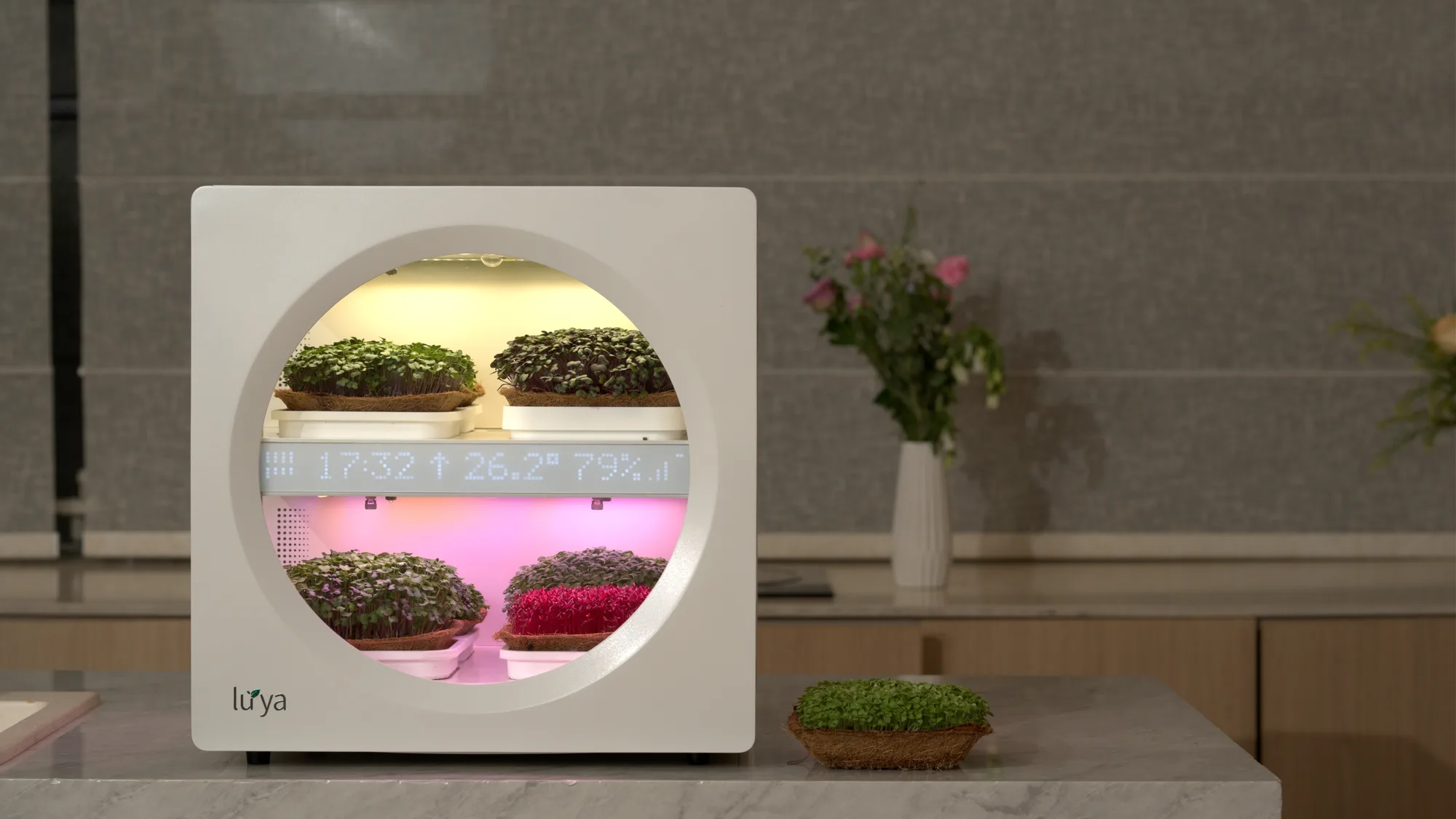
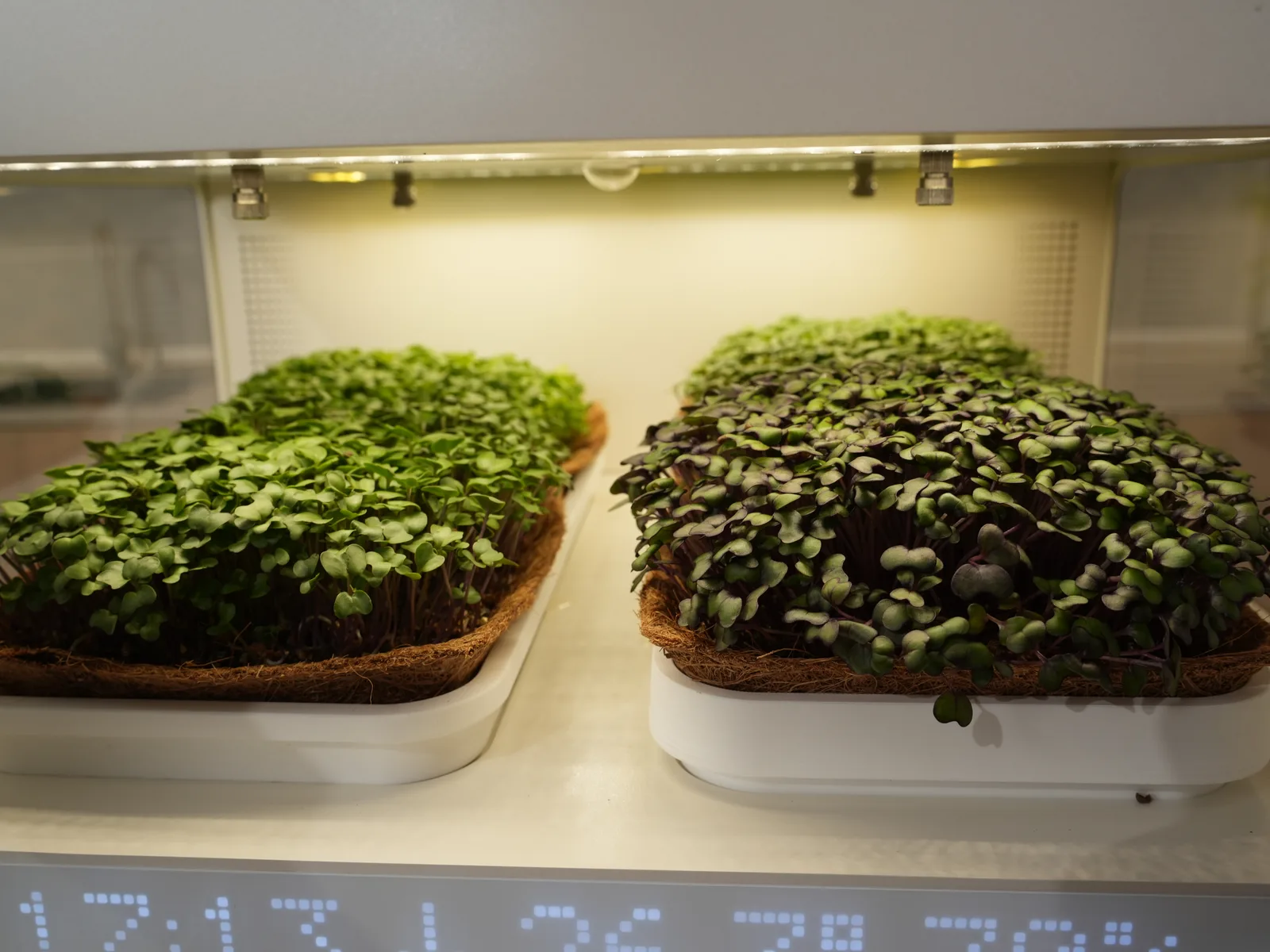
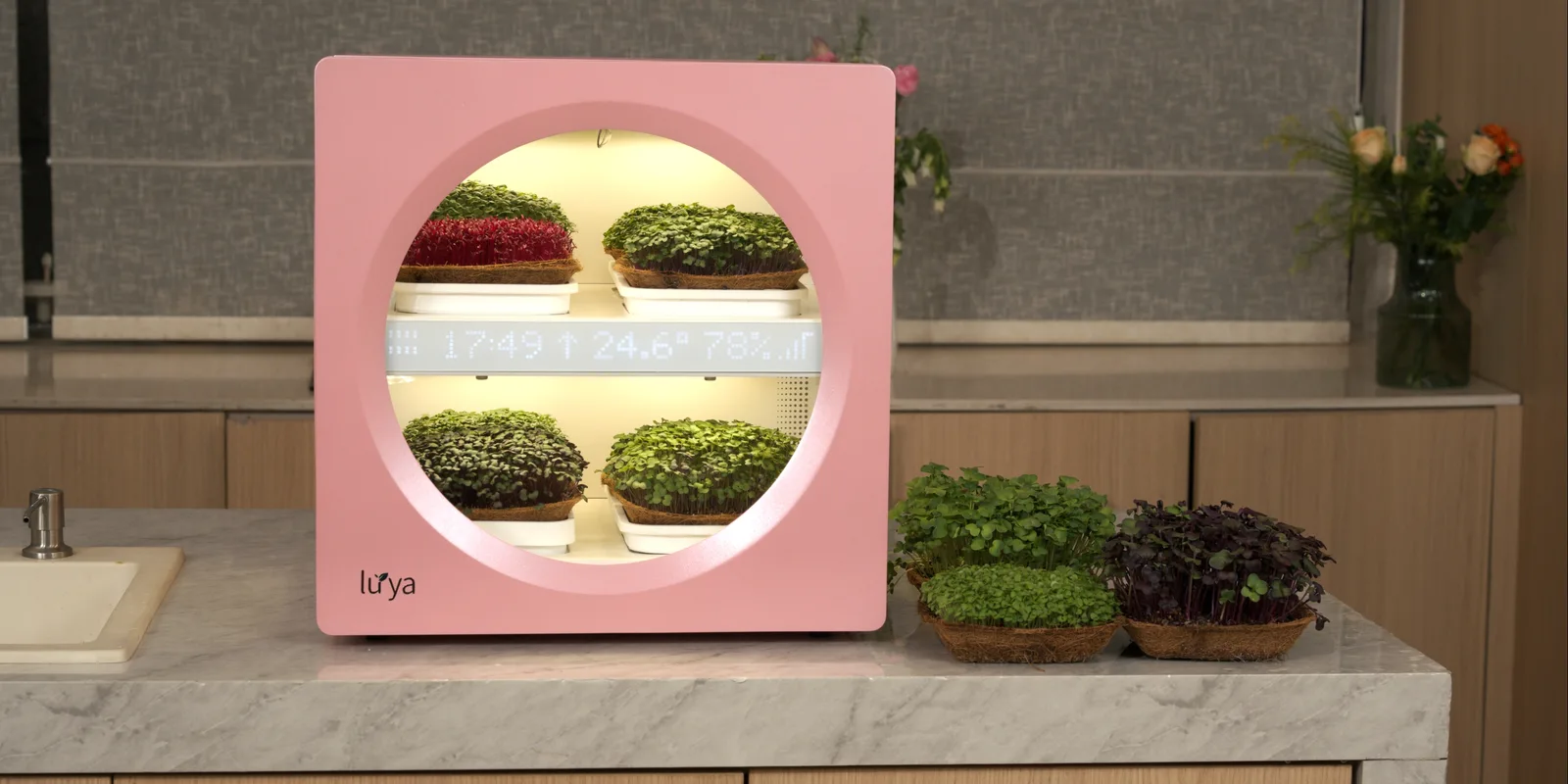
It grows in your kitchen, continuously
Eight tray positions across two levels. Stagger them and something is always ready.
The conditions are managed for you
Light, irrigation, airflow, temperature and nutrients run to a per-crop recipe.
The app tells you when to act
Scan the tray’s QR code, load the tray and tap Start in the app. Check the live view and receive growing reminders.
You harvest at the moment of eating
Cut what the meal needs. Nothing waits in a fridge losing what it was grown for.
- Two growing levels
- Independent climate per level
- Eight trays
- Stagger crops for a weekly harvest
- Multi-spectrum lighting
- Tuned per crop and per growth stage
- Automated irrigation
- Measured watering, no schedules
- Climate control
- Temperature, humidity and airflow
- Cameras
- Continuous growth observation
- Nutrient system
- Dosed to the growing recipe
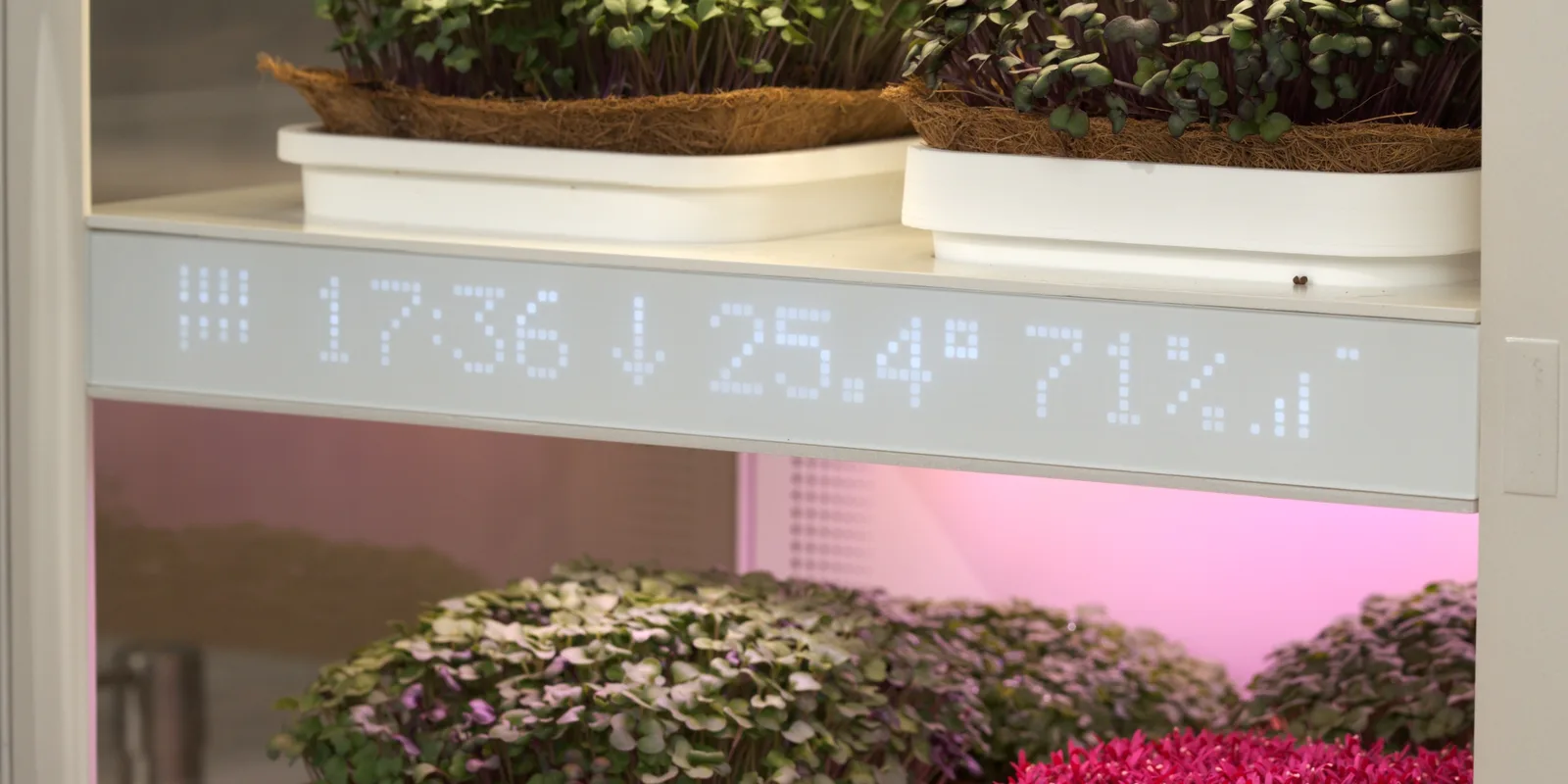
- Touch display
- Status at a glance
- Connected app
- iOS and Android
Seven days.
Seed to harvest.
No soil preparation. No complicated schedules. No gardening experience required.
- InsertPlace a LUYA pre-seeded tray inside.
- RecognizeScan the tray’s QR code in the app to add it and select its growing recipe.
- GrowLight, irrigation, airflow and climate are controlled automatically.
- HarvestFresh microgreens, ready in about seven days.
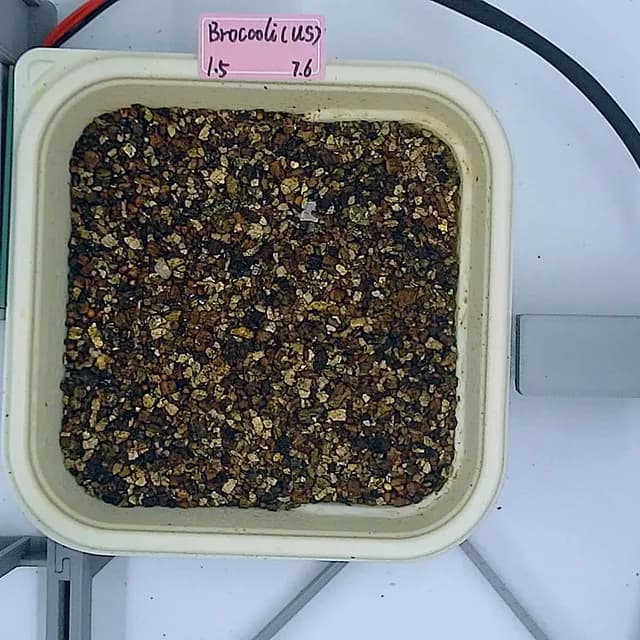
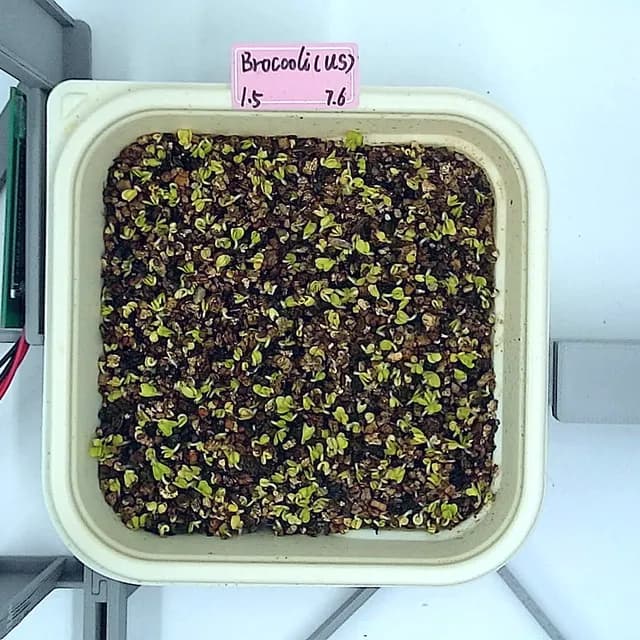
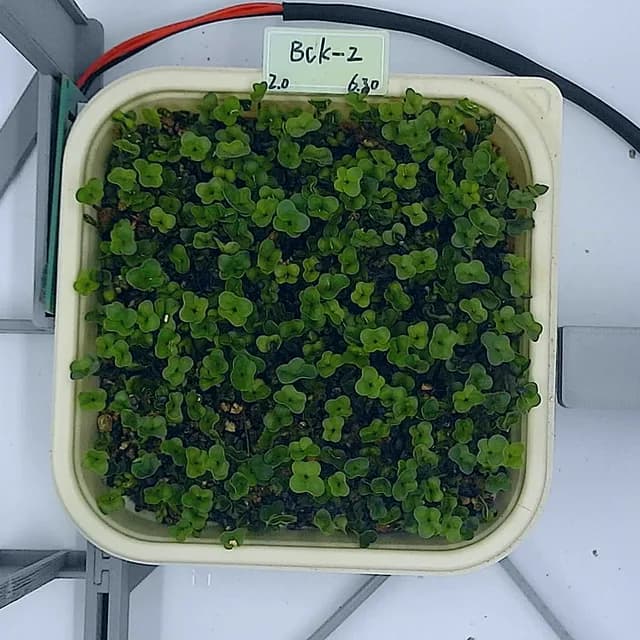
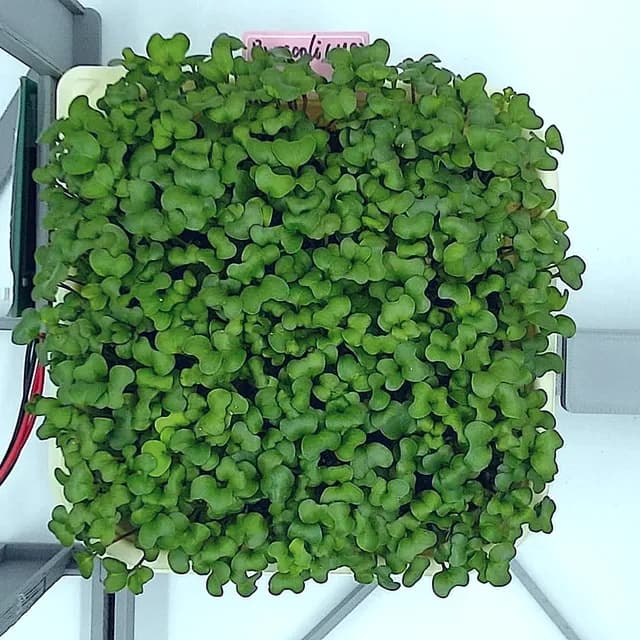
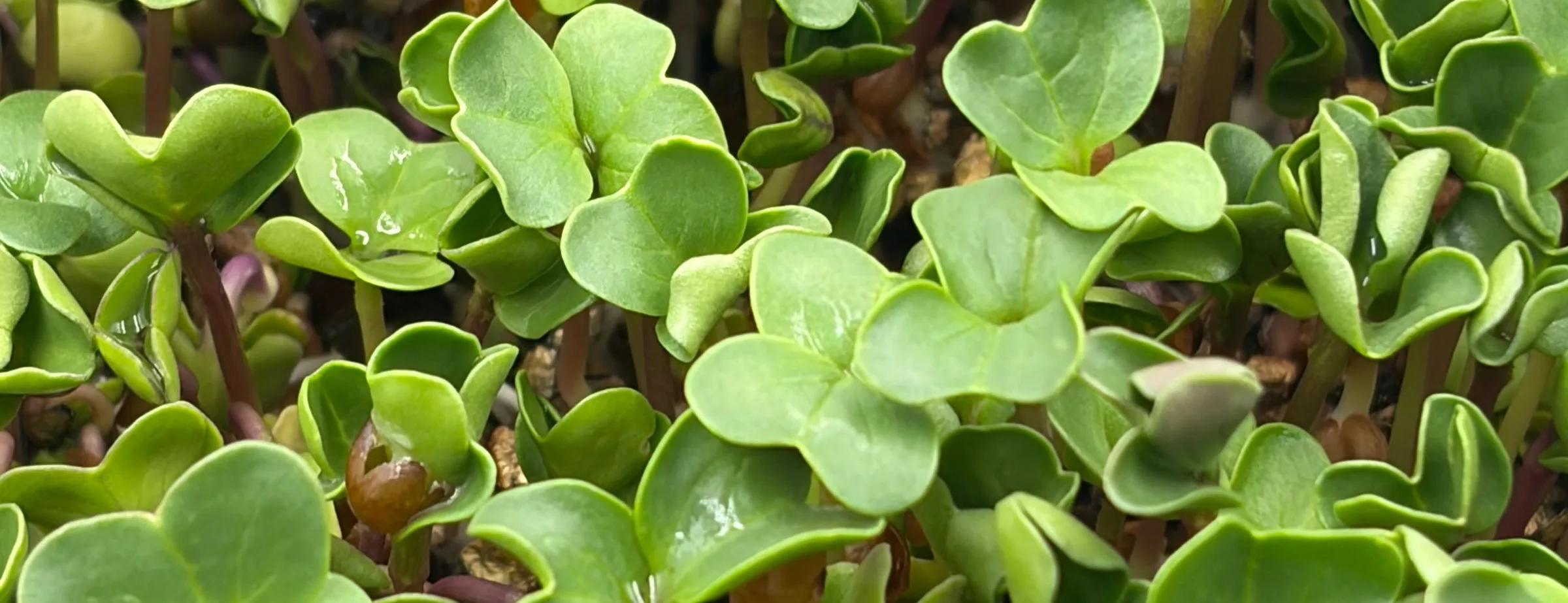
One broccoli tray, photographed from directly above on days 0, 2, 4 and 7, the same tray each time, from the plant team's record.
You don't need to learn how to grow.
LUYA already knows.
Watch the growing steps.
Scan your seed tray.
Scan the QR code in the app to add the tray before placing it in Luya. This is the current setup flow; NFC recognition is planned for a future version.
A little tray. A fresh start.
After scanning, open the door and place your seed tray in the growing chamber. Confirm the tray and start the grow in the app.
Your next fresh handful.
Open the door and lift out a mature tray when you are ready to harvest. Then cut what you need for your meal.
Record your harvest.
After harvesting, use the app to record the harvest. This clip shows the app workflow; it does not show cutting the greens.
A different harvest every week.
- Selected
- Broccoli · Waltham 29
- Taste
- Mild, fresh, slightly sweet
- How to spot it
- Flat, thick, glossy leaves with edges that curl very slightly under.
- Pairs with
- Eggs, grain bowls
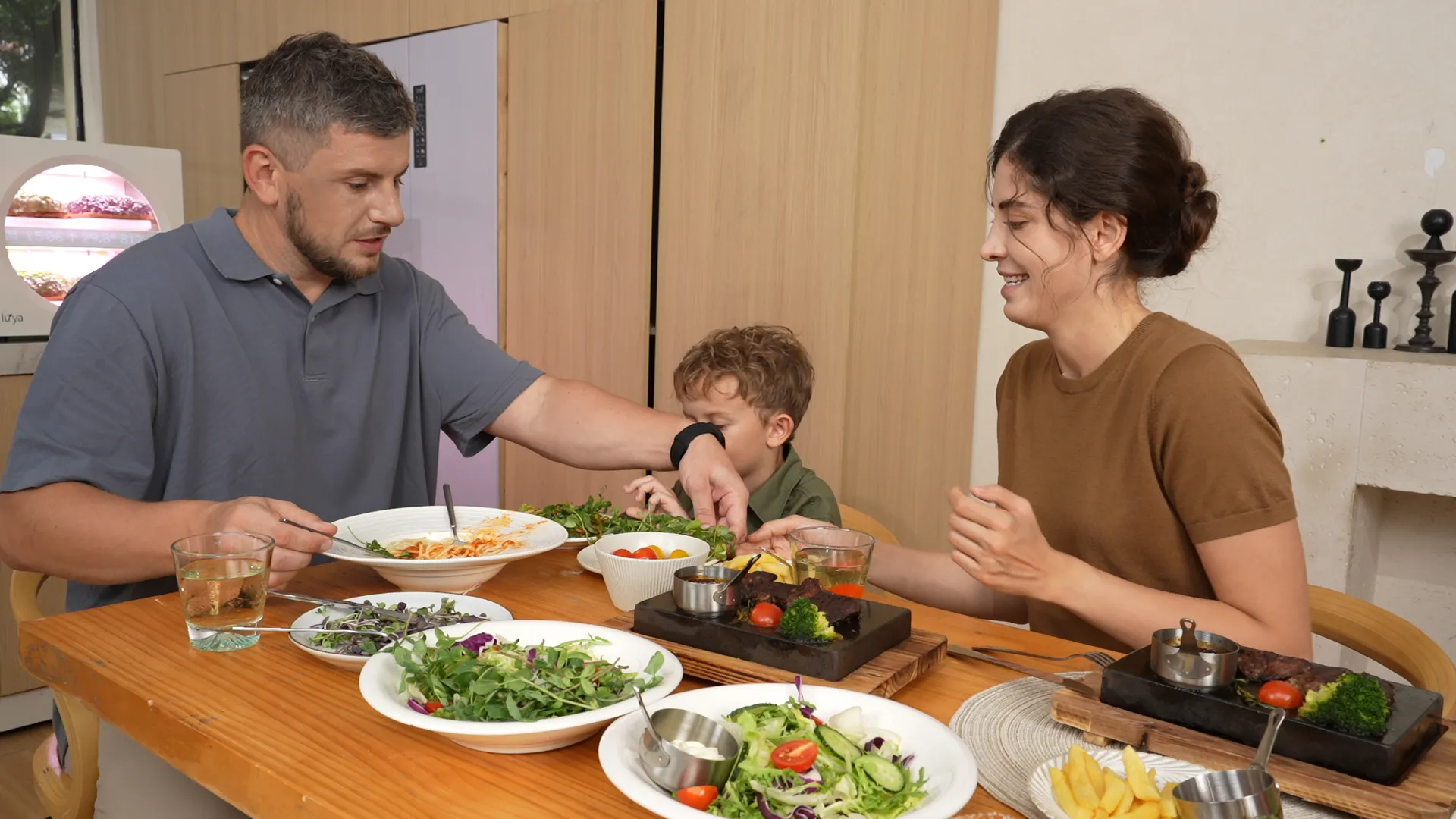
At the table: a week of eating what the tray grew
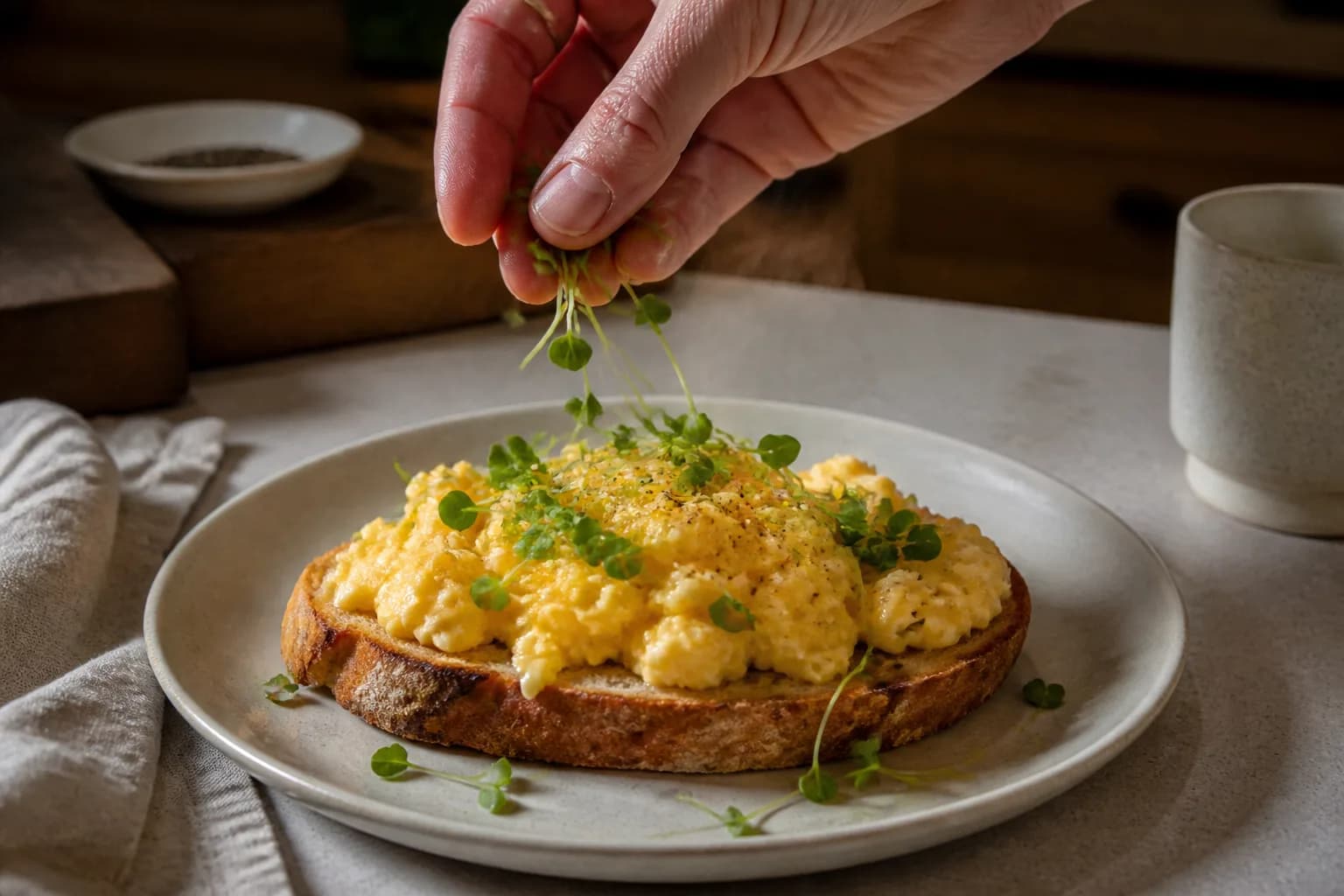
Into the eggs
Stirred through off the heat. Raw is not a preference here: cooking is what costs you the sulforaphane.
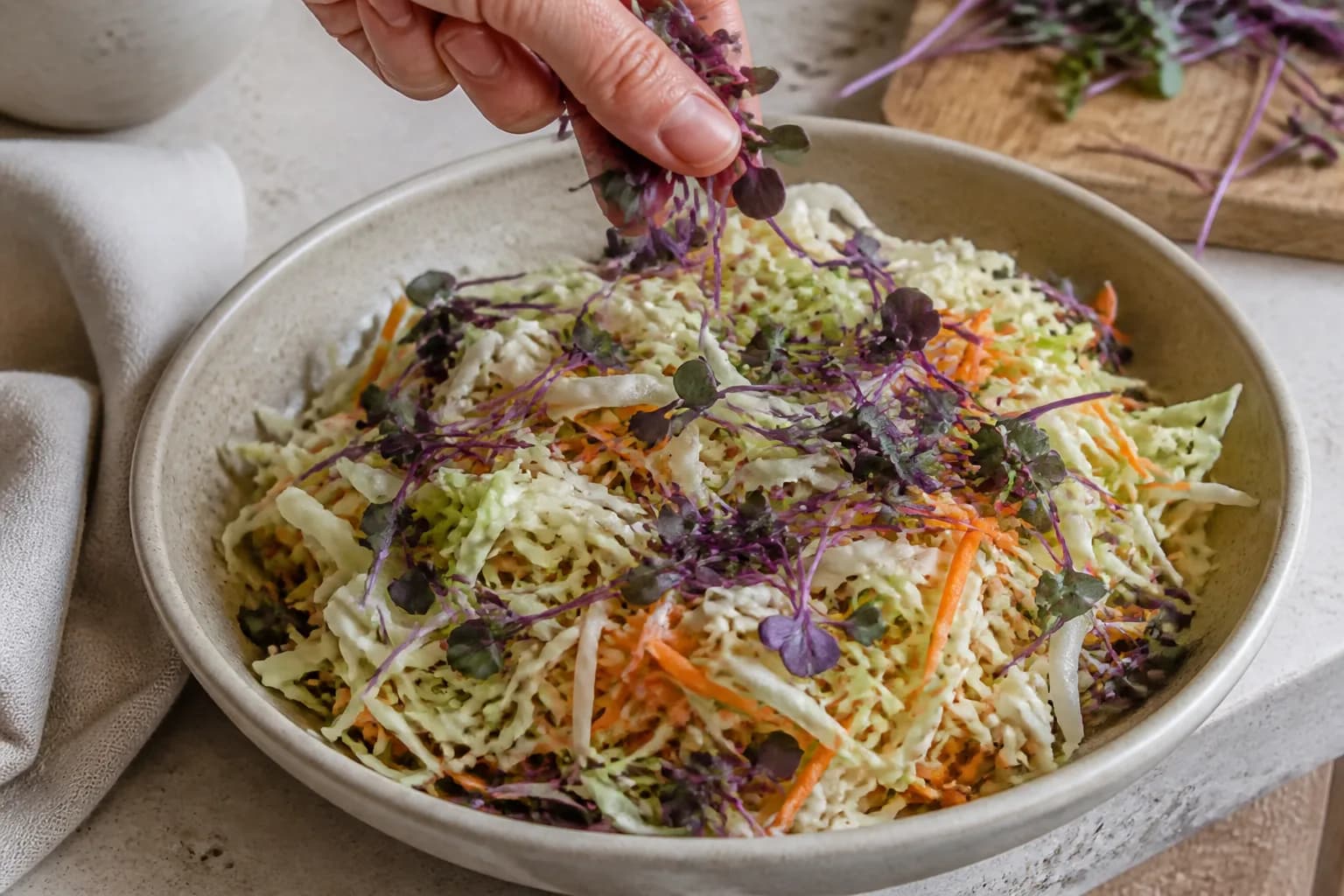
Through the slaw
Purple stems right through it. The only crop here you would notice with your eyes first.
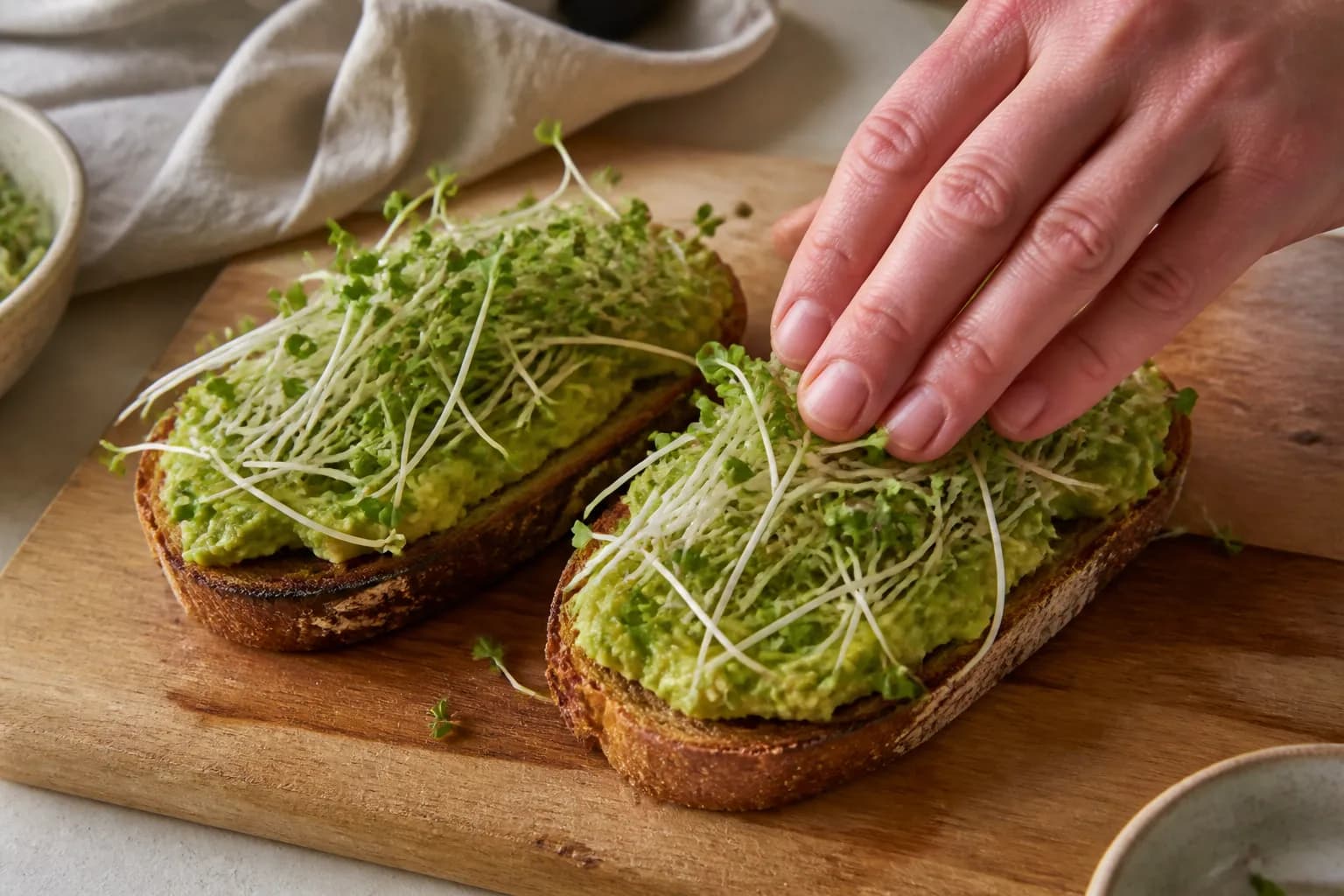
On the toast
Peppery and crisp, and it does not wilt into the avocado the way a leaf would.
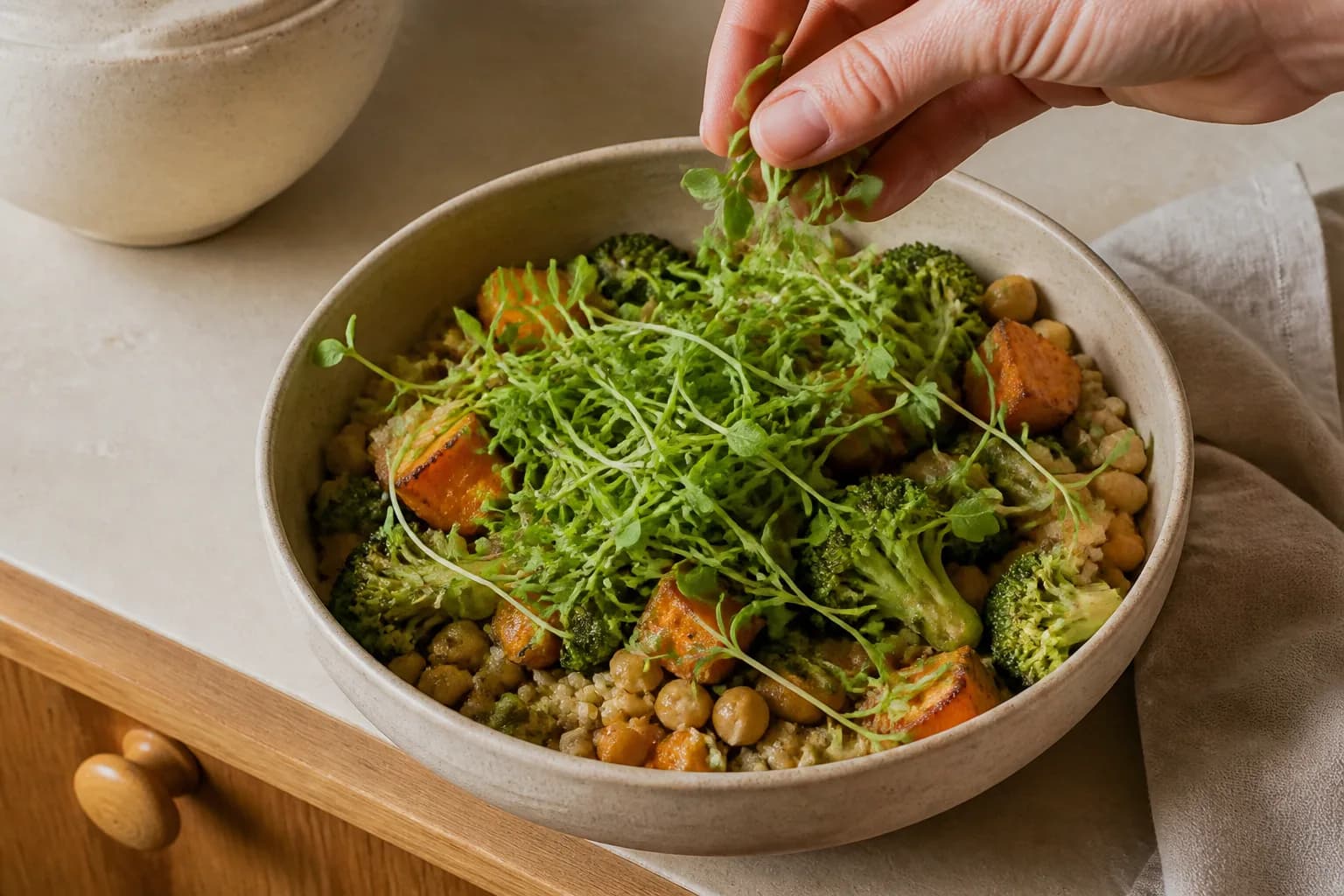
Over the bowl
Sweet and crunchy. A handful, not a garnish, because there is a whole tray of it.
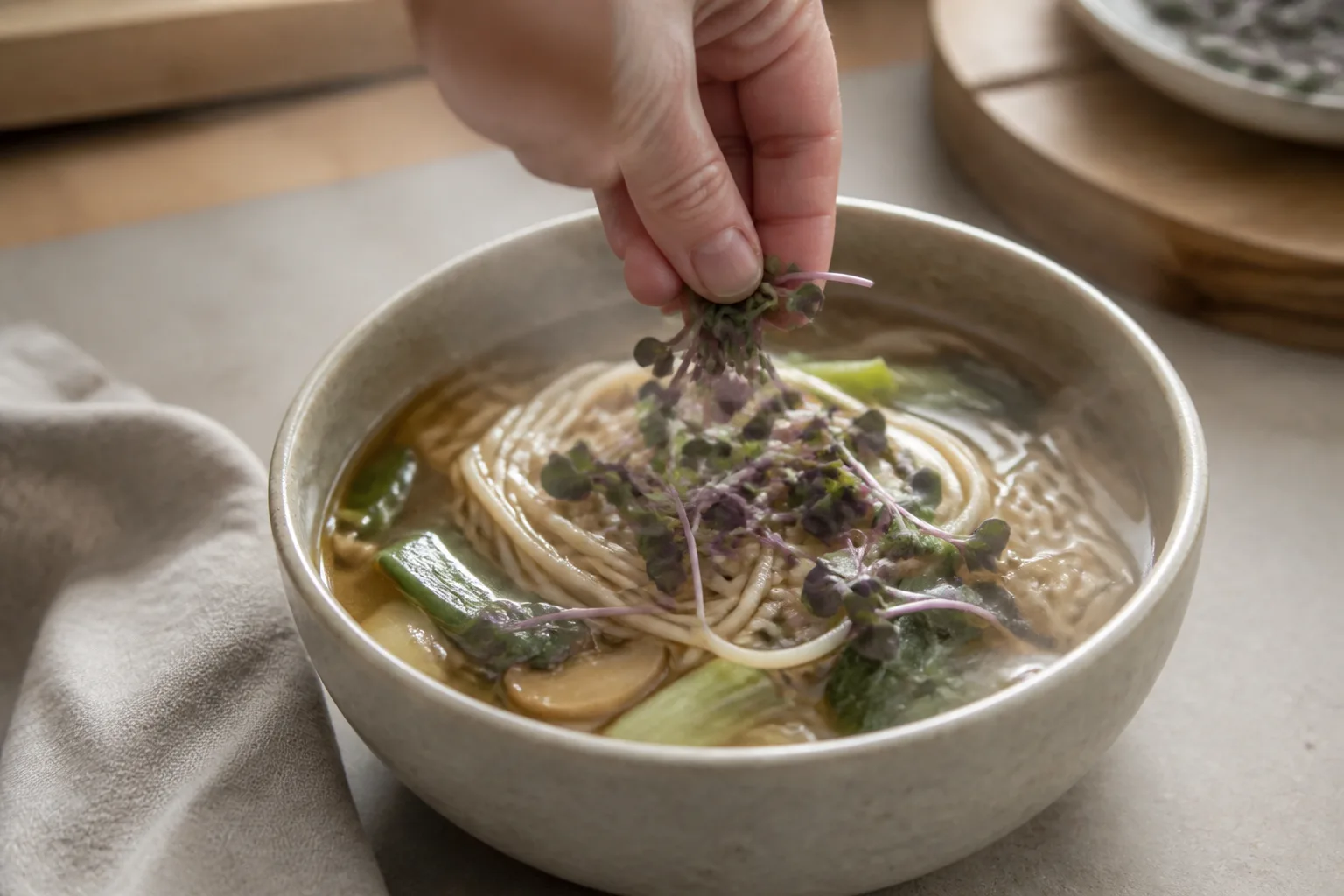
Onto the noodles
Mild wasabi heat that arrives late. A pinch does what a spoon of paste would.
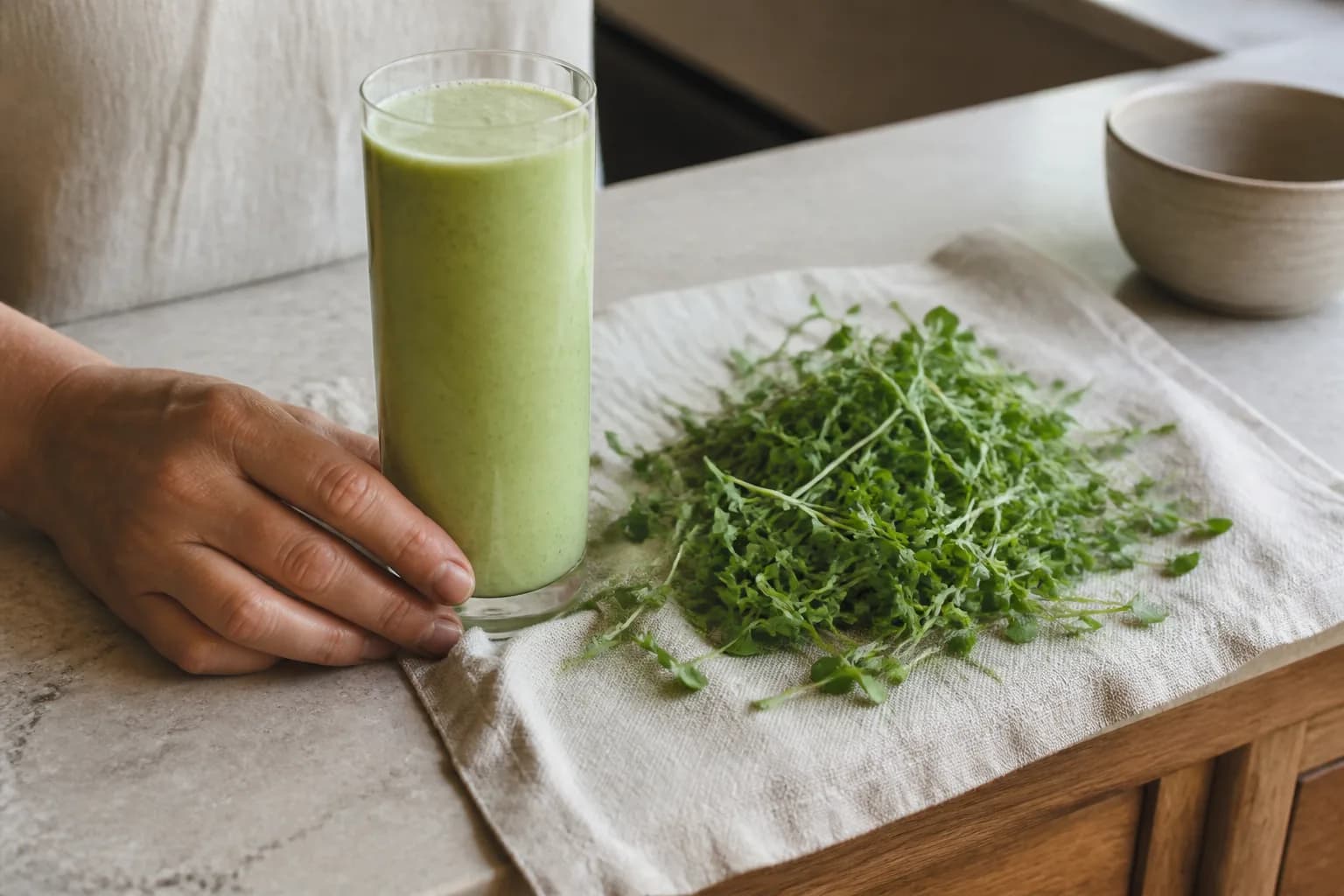
Into the glass
Soft and gentle enough that the fruit still leads. Blended raw, like everything else here.
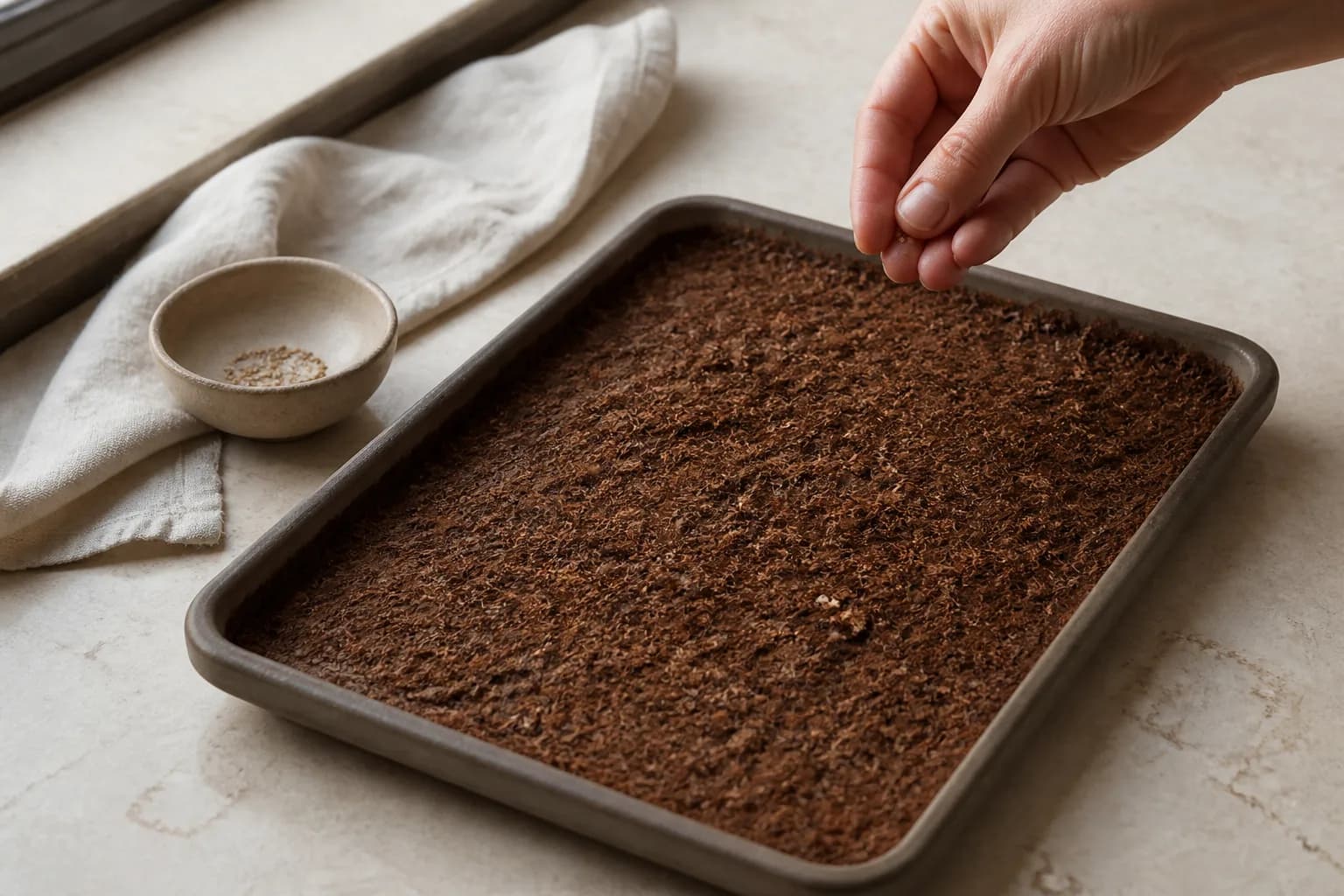
Sow the next one
Nothing is ready today, and that is the shape of it. One tray in, and the week starts again.
Six things on the table, and a tray already going for next week.
Apply to Founder 100 Program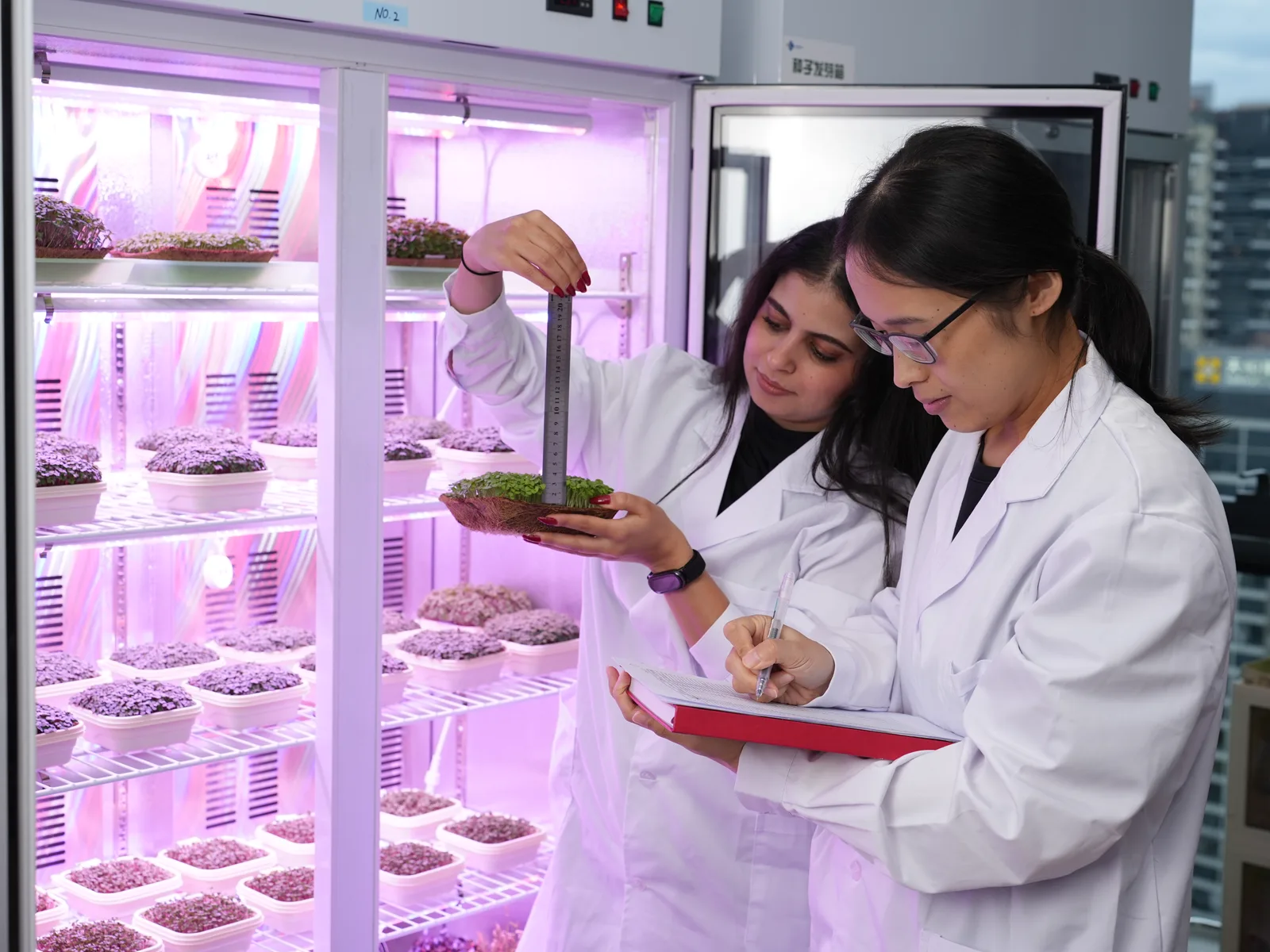
Check the work, not the adjectives.
What Luya X-1 asks of you.
A place on the counter, a phone for setup and a few regular habits. Here is what to plan for at home.
Counter space and power
Space for the device, its front door and the removable tank at the rear right, with a standard outlet nearby.
A phone and Wi-Fi
Use the app to connect Luya and start growing. Remote views and notifications need connectivity.
A few minutes a week
Refilling water when asked, harvesting, and rinsing parts between cycles.
Ongoing trays
Each cycle starts with a new tray. $2.99 per pre-seeded tray; no subscription is required for core growing.
If you want the process of gardening itself, choosing seeds, tending plants, learning by trial, a LUYA is probably not the right purchase. It is built to make the growing disappear.
See the full requirements→The first Luya X-1 systems are coming.
Be among the first 100 households to grow with LUYA. The first cohort is 20 — selected for fit, not order of arrival.
Checking your application…
Do I need to know how to garden?
No. The system loads a growing recipe after you scan a tray’s QR code in the app and manages light, water, nutrients and climate itself. Your part is inserting a tray, refilling water when asked, harvesting, and cleaning between cycles.
How long does a cycle take?
Roughly six to ten days depending on the crop, based on internal testing on current hardware. It varies with ambient conditions and the tray, so treat it as a range rather than a guarantee.
Is the app required?
Yes. Use the app to pair Luya, start growing and check the live view or reminders. Scan the tray’s QR code in the app before loading it. Core growing continues if the connection drops; remote monitoring and notifications need connectivity.
What happens if a cycle fails?
Cycles can fail: uneven germination, a dry tray, a crop left past its window. The app names the problem, says whether it is urgent and gives the next step. If a tray smells sour, feels slimy or shows fuzzy growth on the stems, discard it, clean the surfaces and start again.
How much do replacement trays cost?
Pre-seeded trays are consumables. $2.99 per pre-seeded tray, with no subscription required for the core growing experience. Pack sizes and availability will be confirmed before purchase.
When can I buy one?
Luya X1 is pre-production and Founder 100 Program is recruiting. Selected households are invited to purchase; general retail availability will be announced separately.