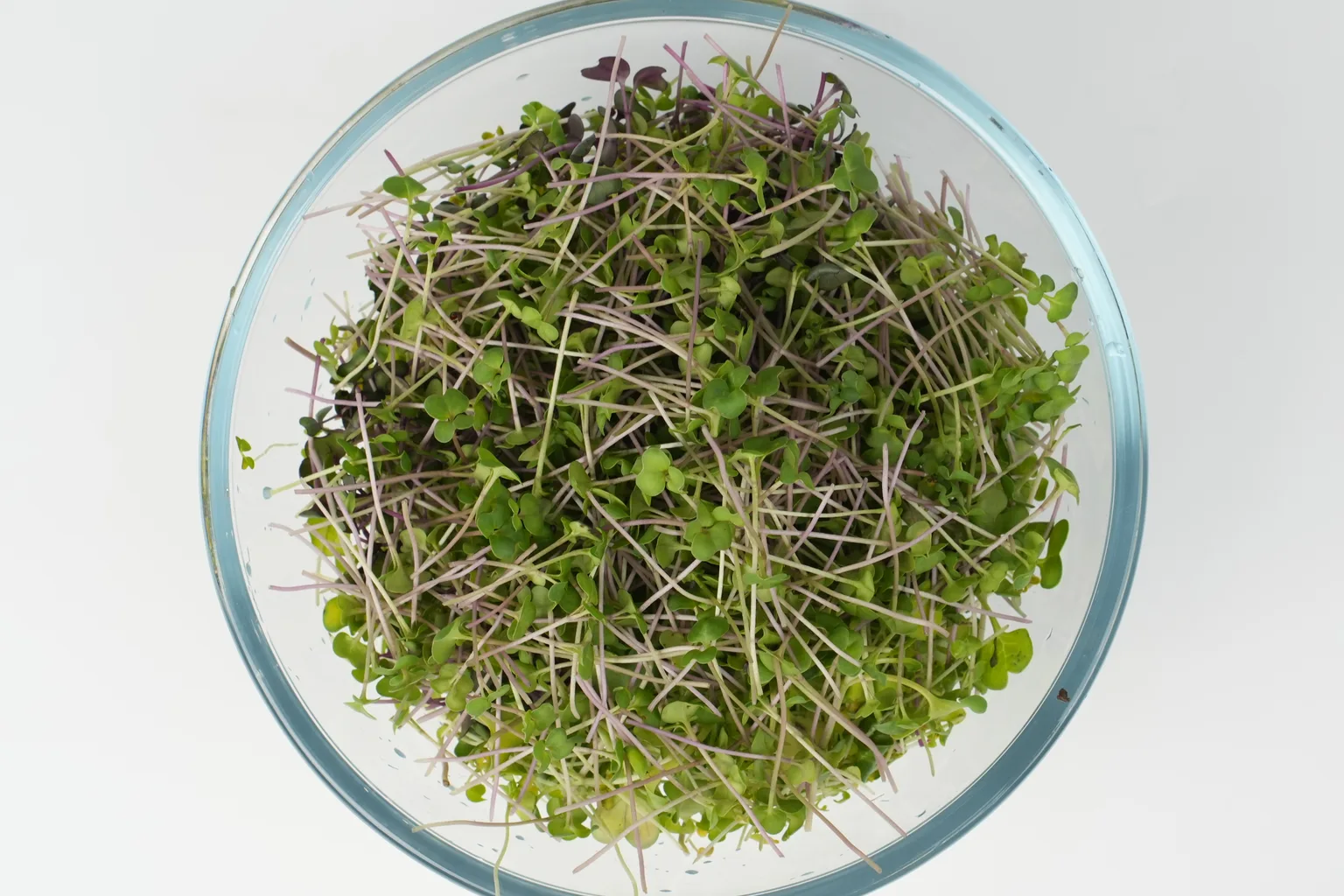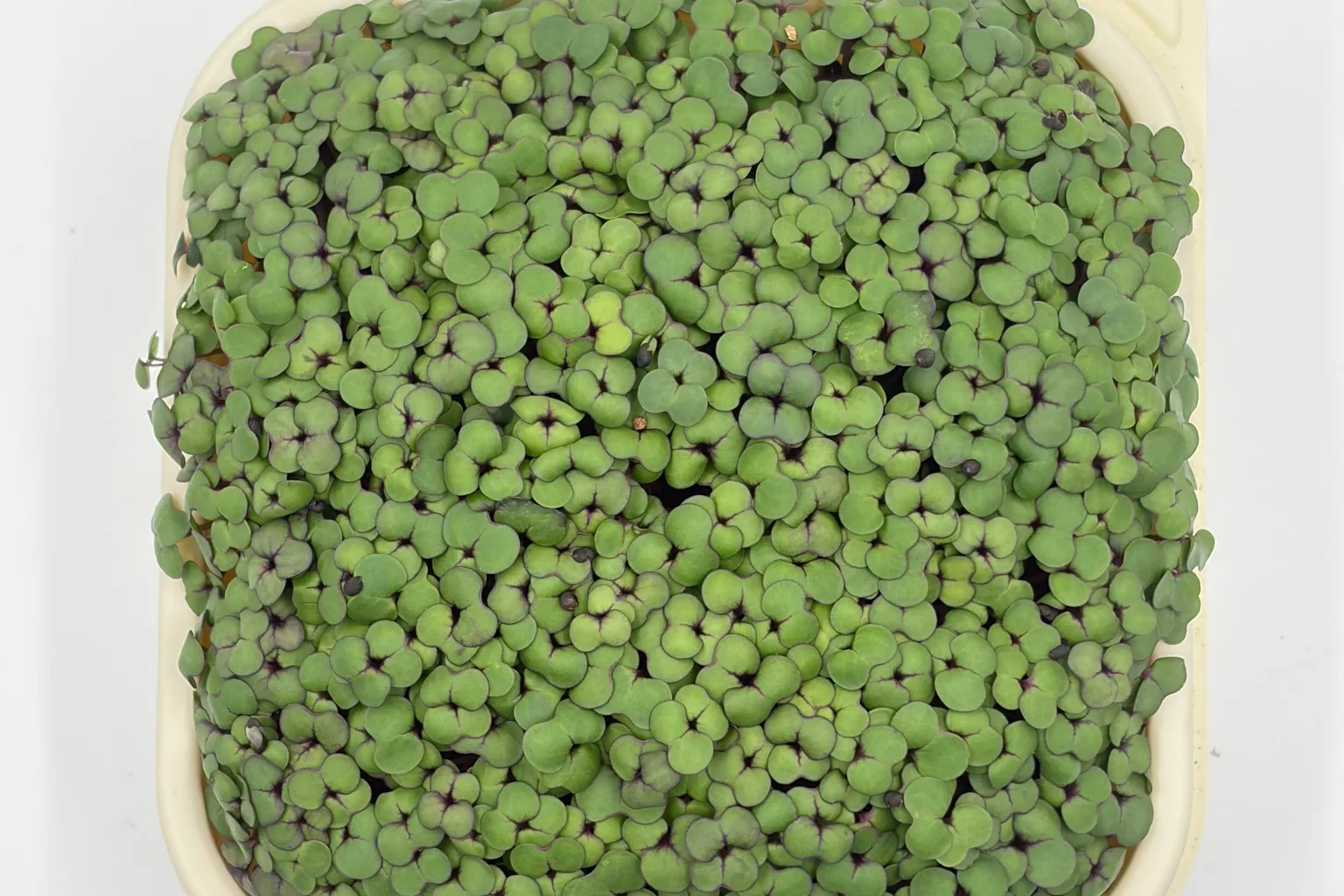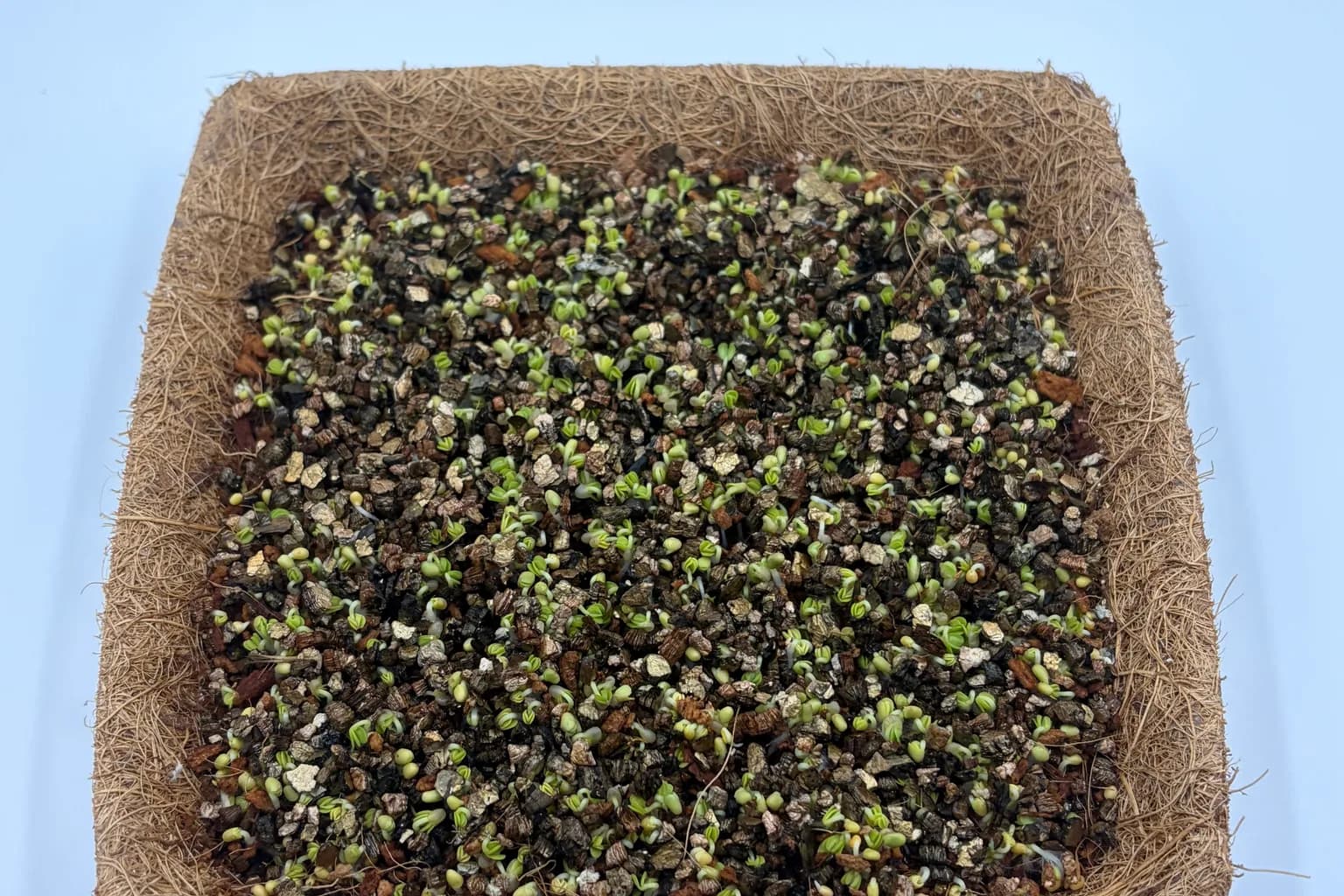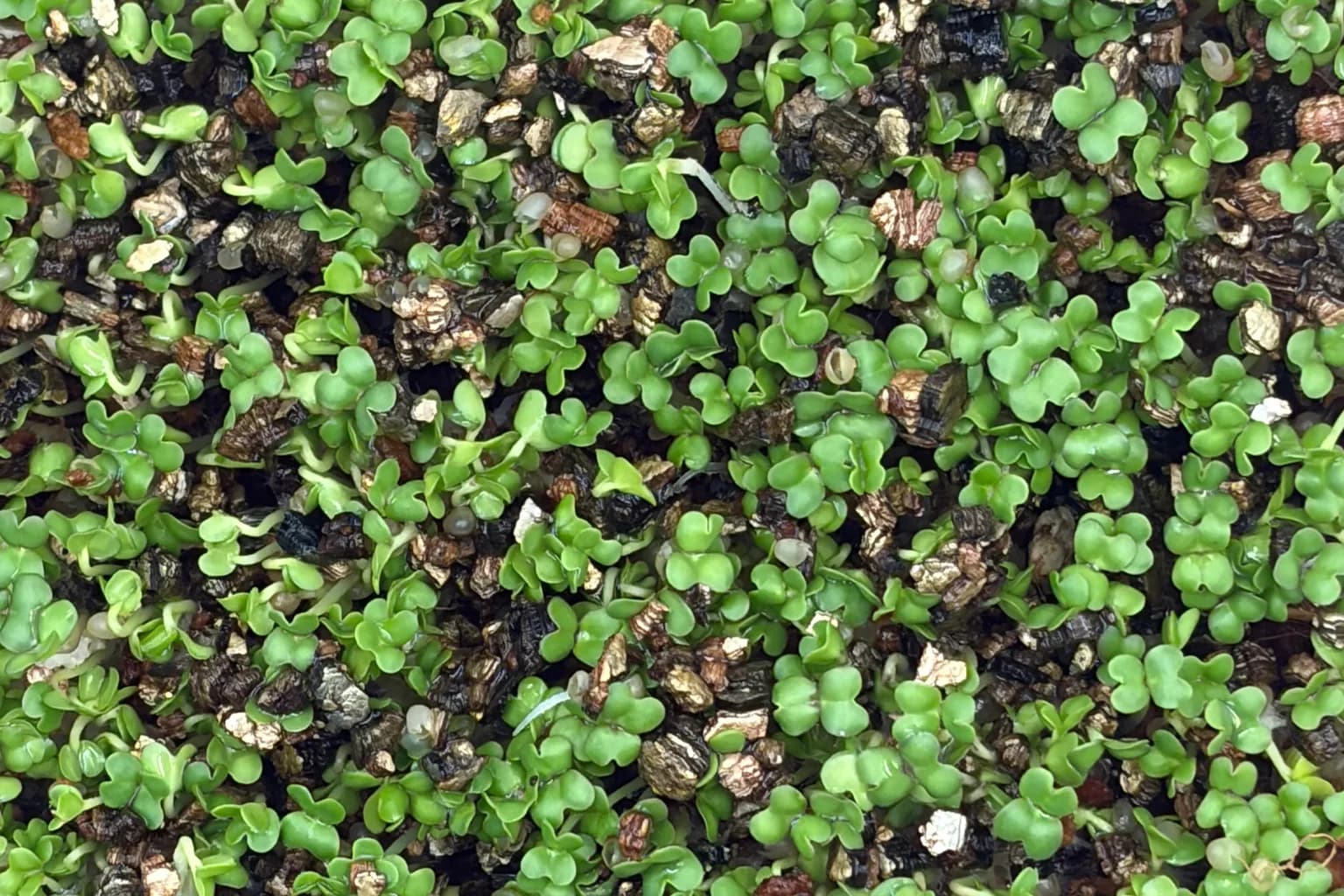
Kohlrabi Microgreens: Crisp, Sweet, and Ready in Ten Days
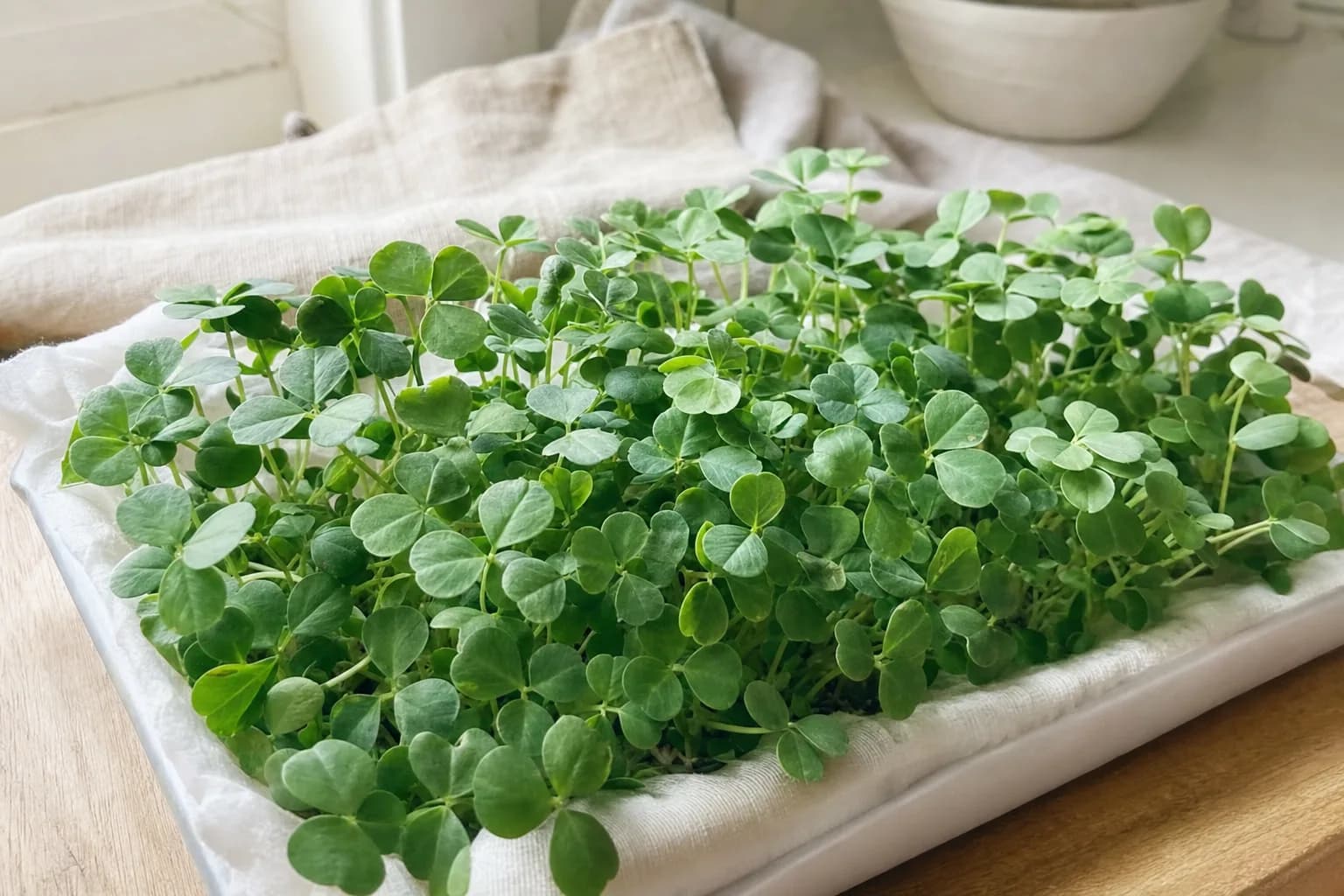
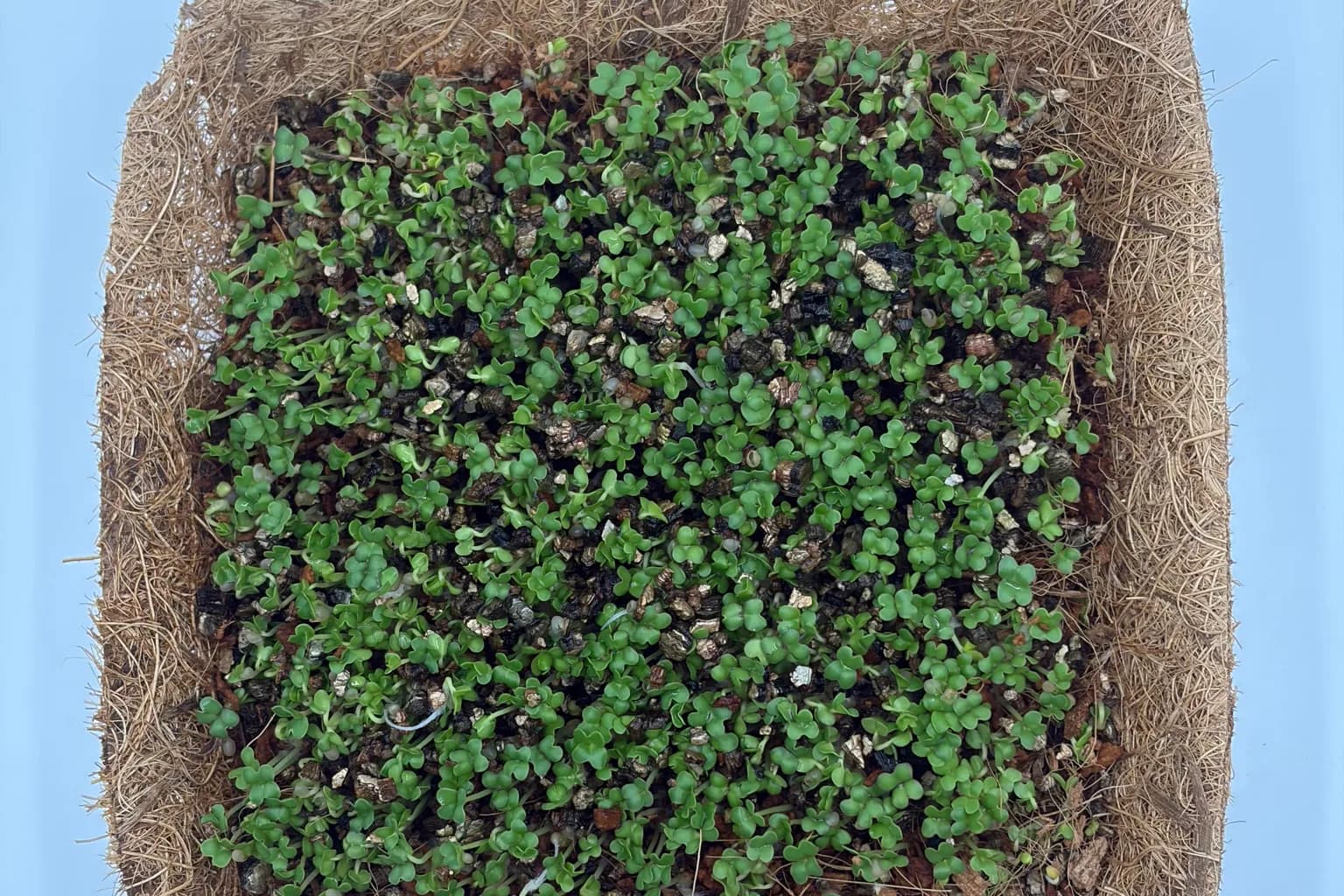
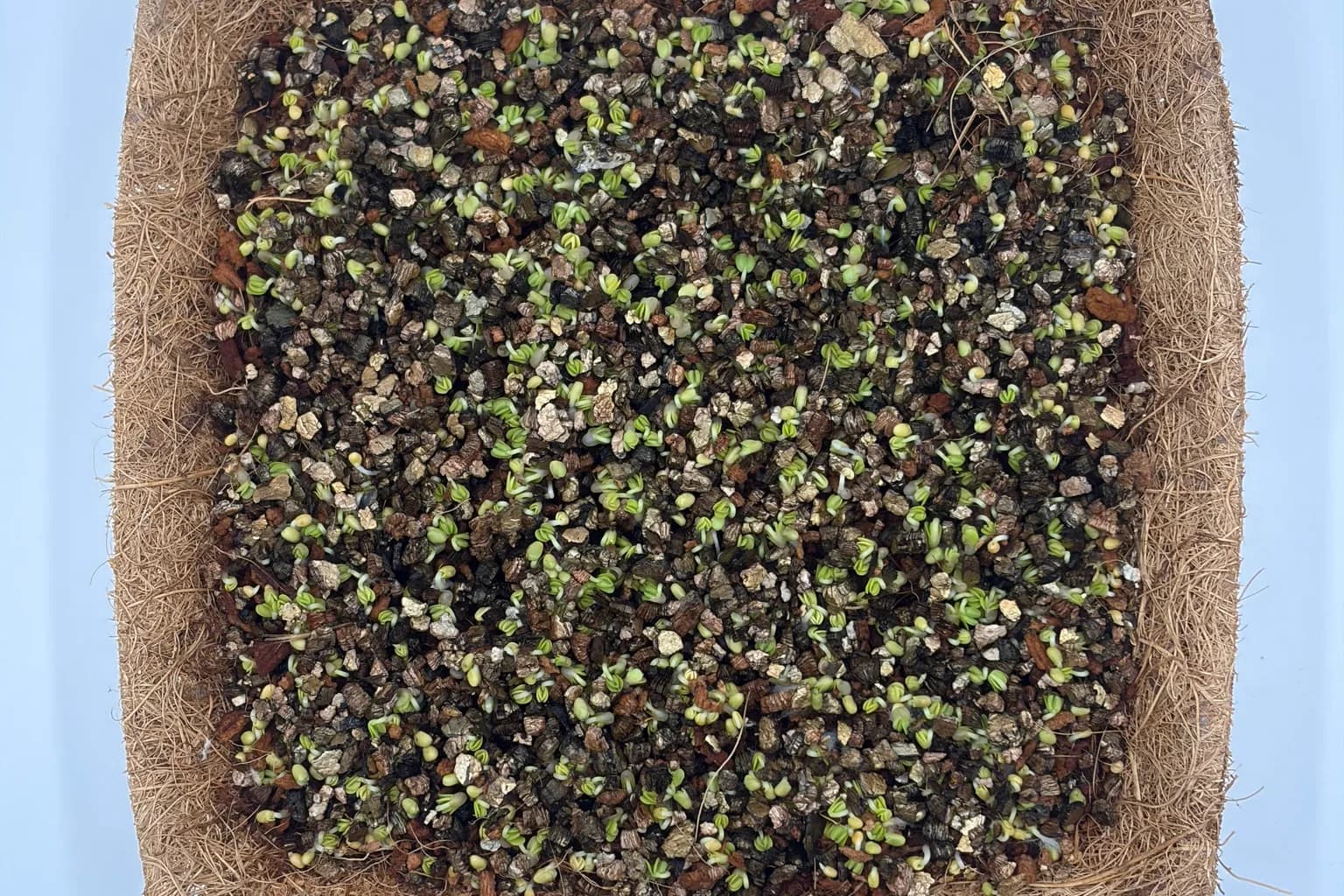
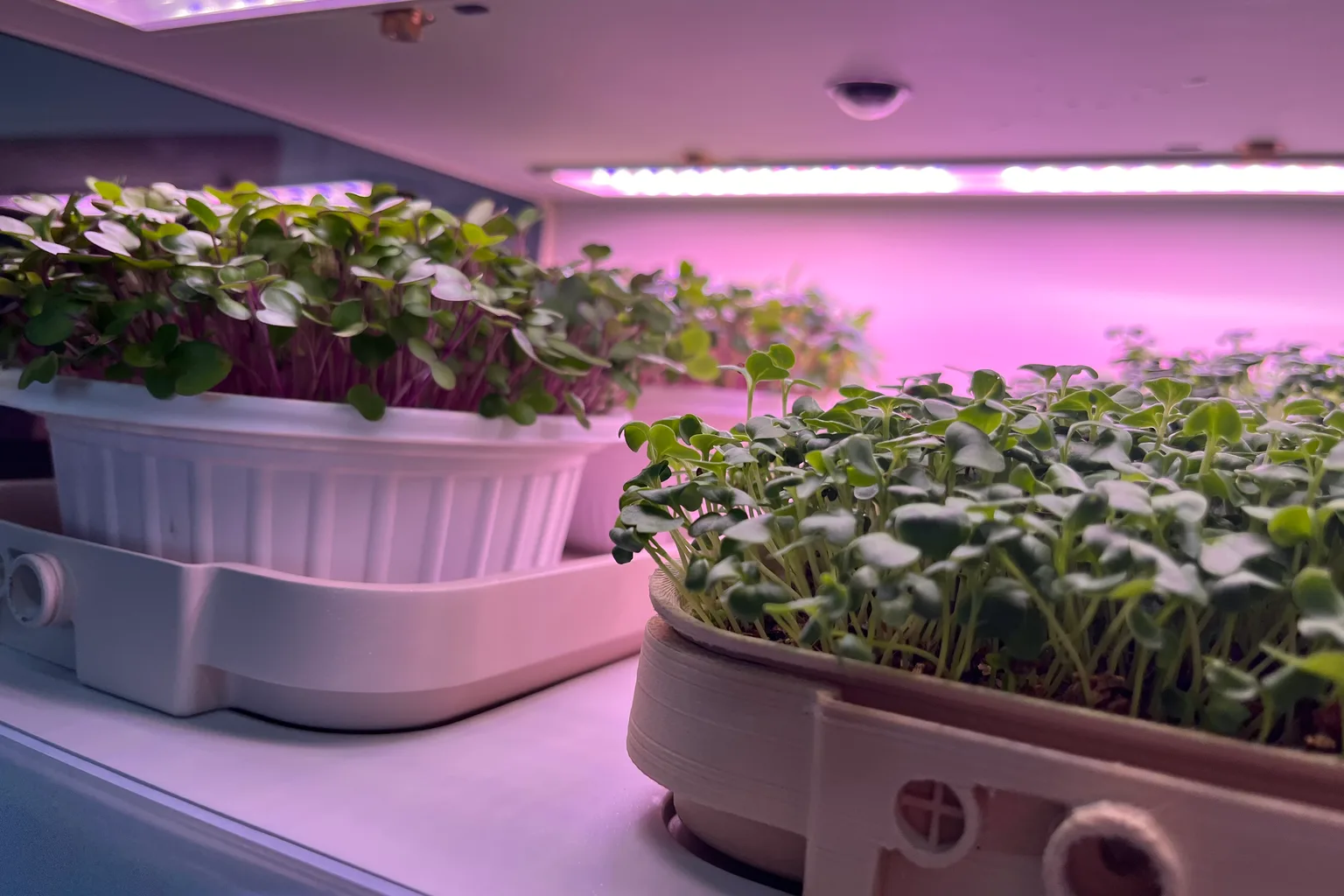
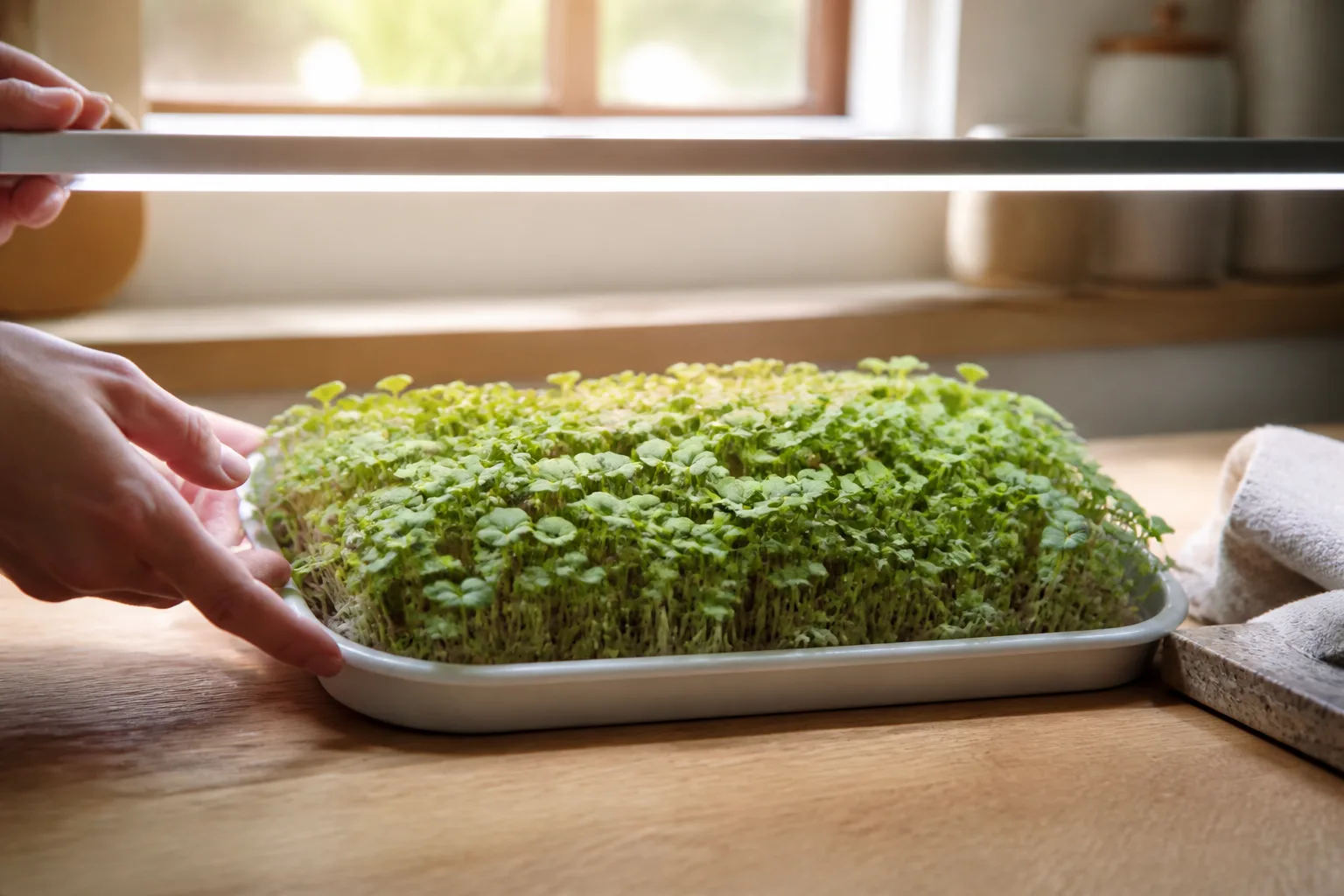
Kohlrabi germinates in three to five days even in a cool room, tastes mildly sweet, and has more crunch than most brassicas. There is one deadline you should not miss.
Research-backed writing on microgreens, nutrient density and growing food at home — from the team building Luya X-1.
Everything we have published, arranged the way someone actually learns this — from what microgreens are, through growing them, to what the research supports.
What microgreens are, and how to get a first tray to work.
The evidence on nutrient density, and what it means at the plate.
Cooking, pairing and fitting greens into how you already eat.
The failures that end a growing habit, and their actual causes.
How controlled growing works, and what to compare before buying.

Kohlrabi germinates in three to five days even in a cool room, tastes mildly sweet, and has more crunch than most brassicas. There is one deadline you should not miss.

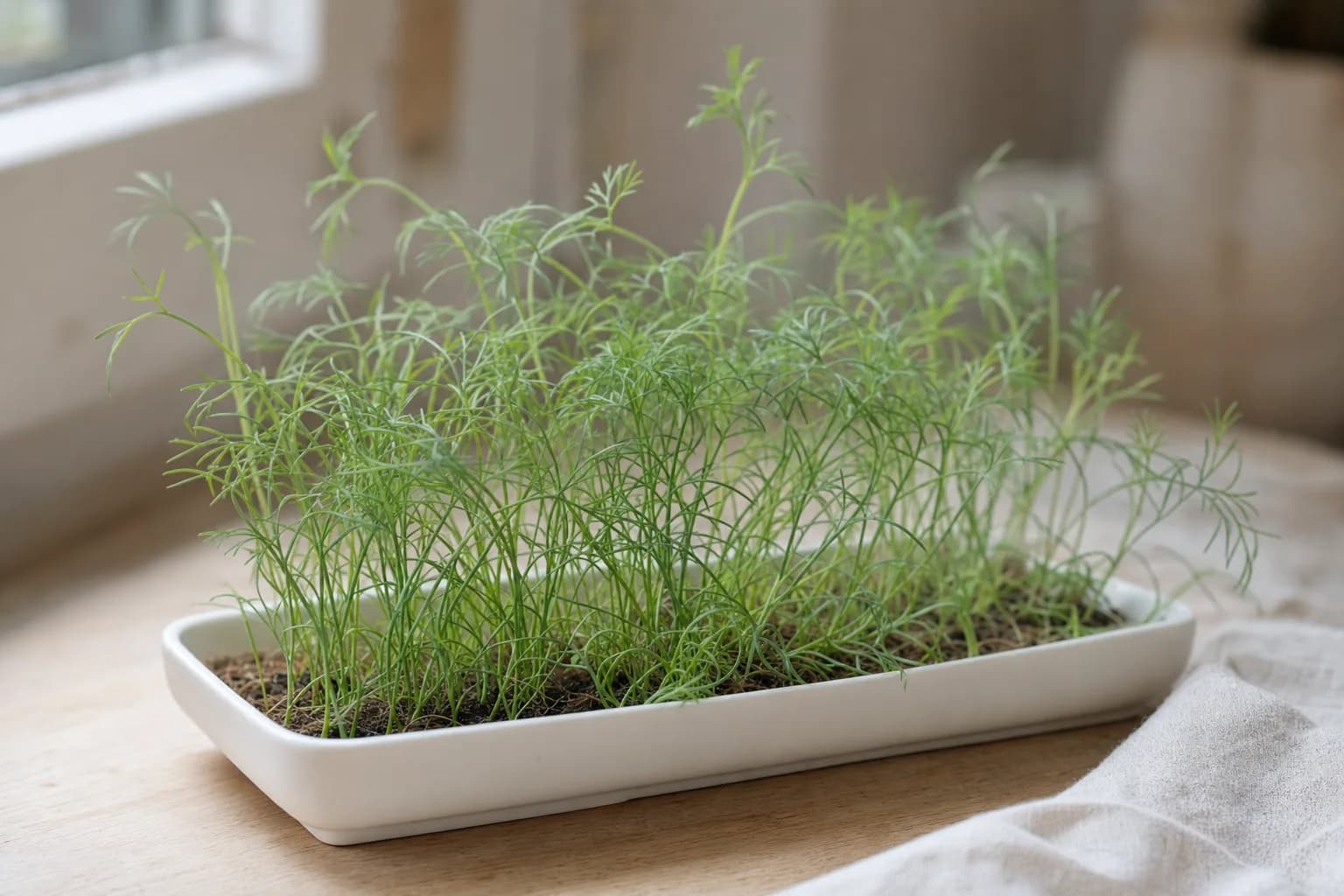
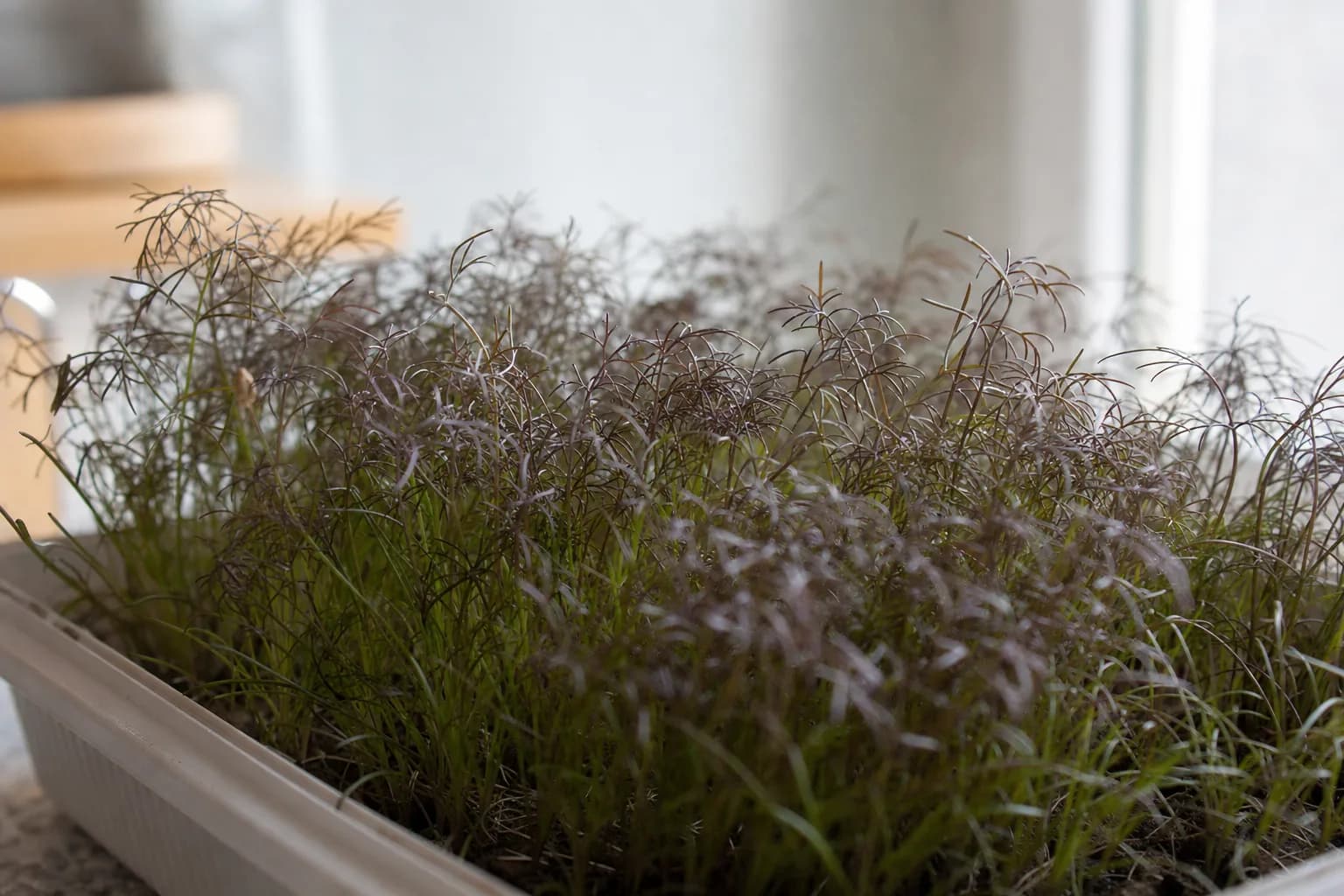
Bronze fennel is slow — around three weeks — and it is the only microgreen that tastes of anise. It is also the prettiest thing you can put on a plate of fish.

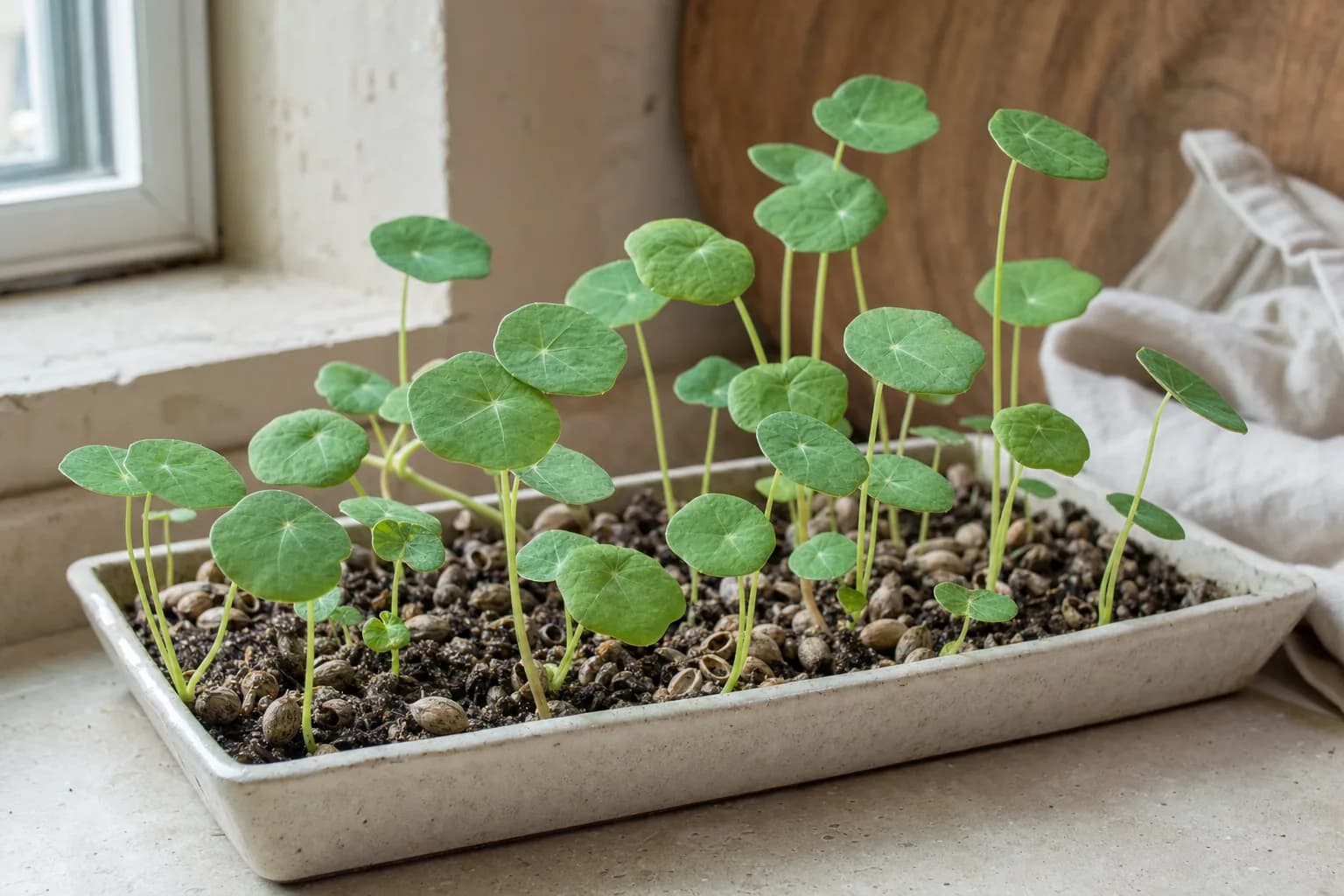
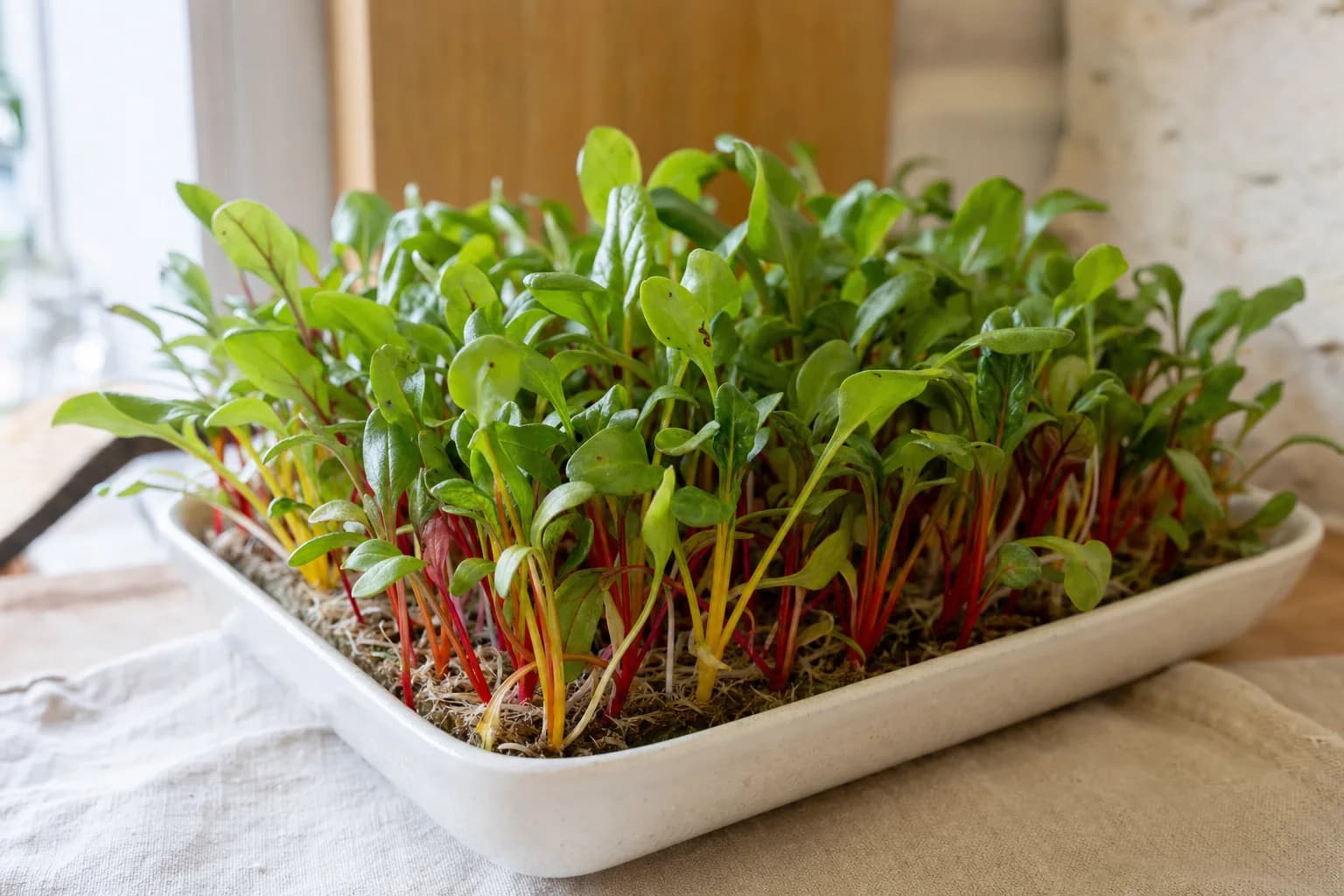
Rainbow chard gives you red, yellow, orange, pink and white stems under dark green leaves, with a sweet beet-and-spinach flavour. Ready in about 12 days — and the seed has one requirement you cannot skip.

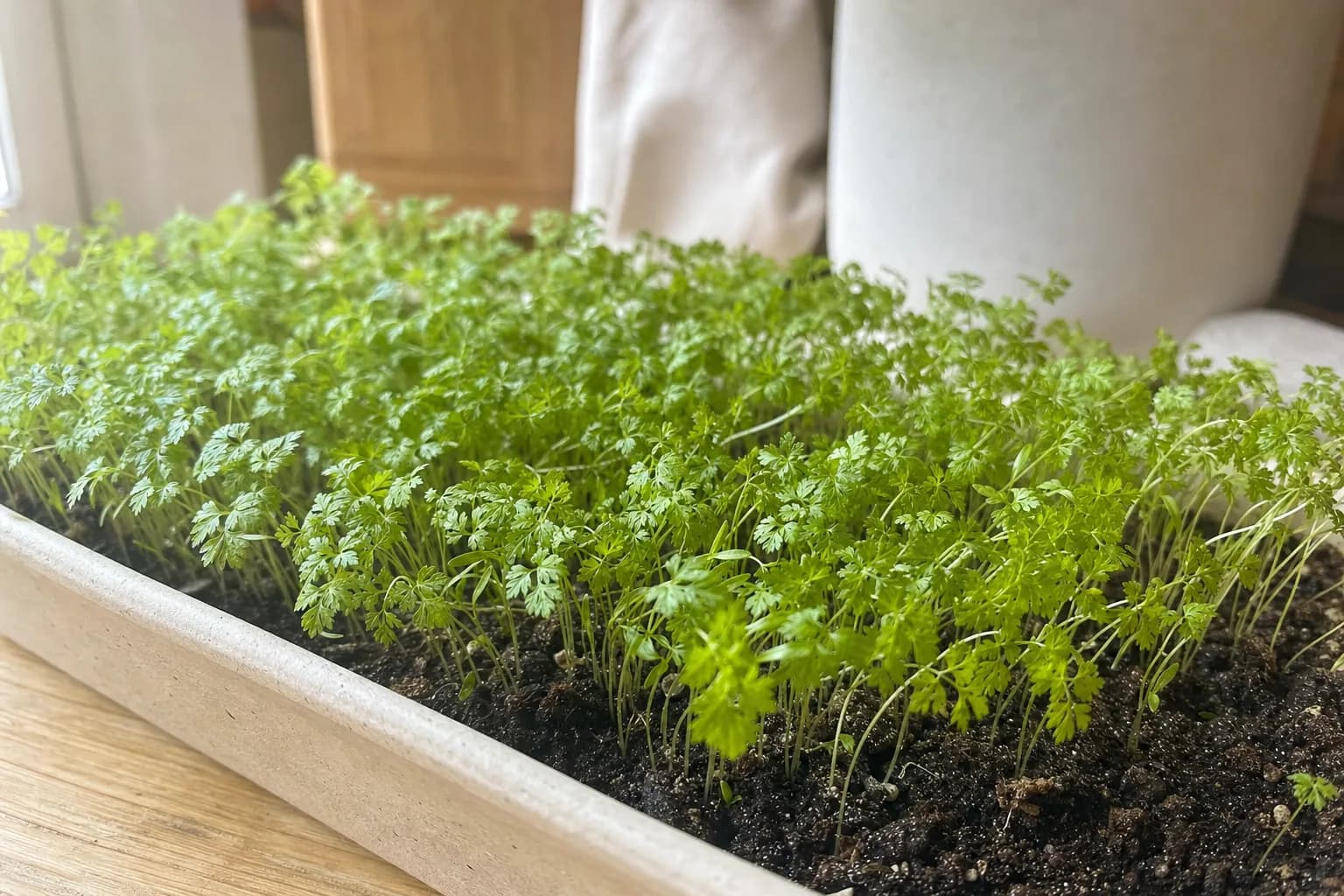
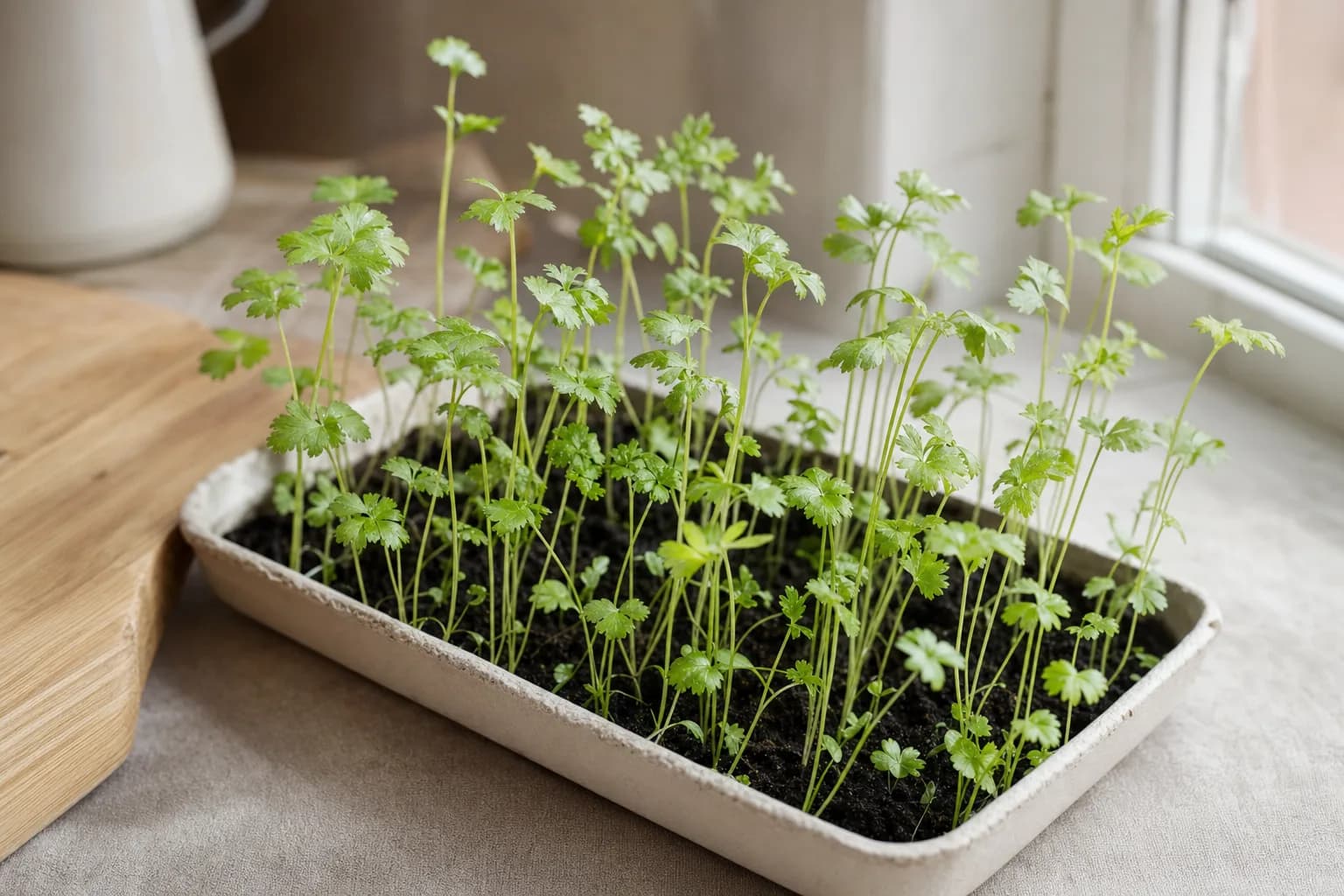
Cutting celery takes about four weeks — four times longer than radish. It is the only microgreen that tastes like celery, and for anyone who cooks soup that turns out to be worth the wait.

Amaranth, sorrel, basil and watercress seed is close to dust. Scattering it by hand gives you clumps and bald patches. Four techniques that fix it, none of which need equipment.

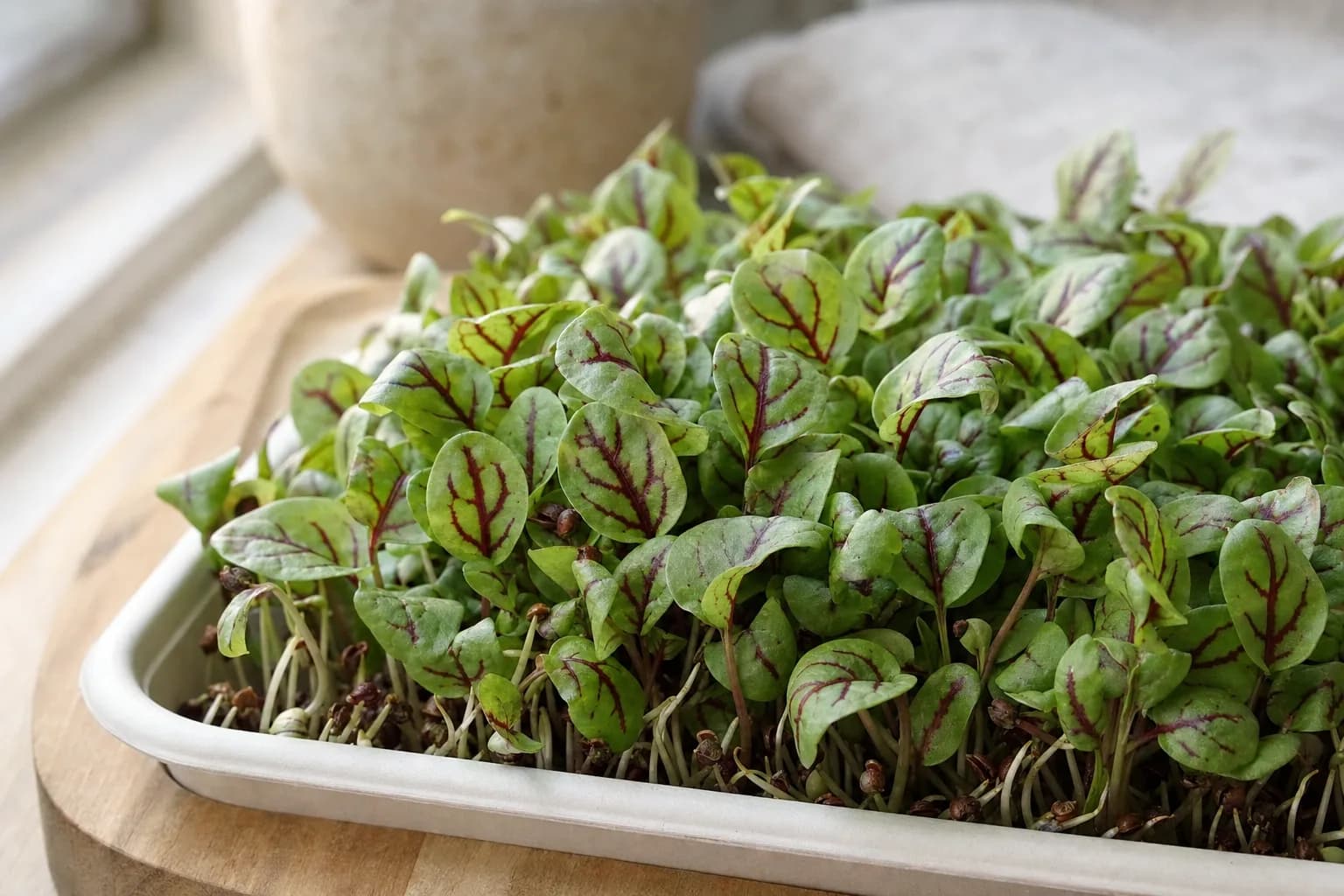
Sorrel is the only common microgreen that is genuinely sour. It is slow, the seed is expensive, and a small amount of it will do more for a dish than a whole tray of something else.

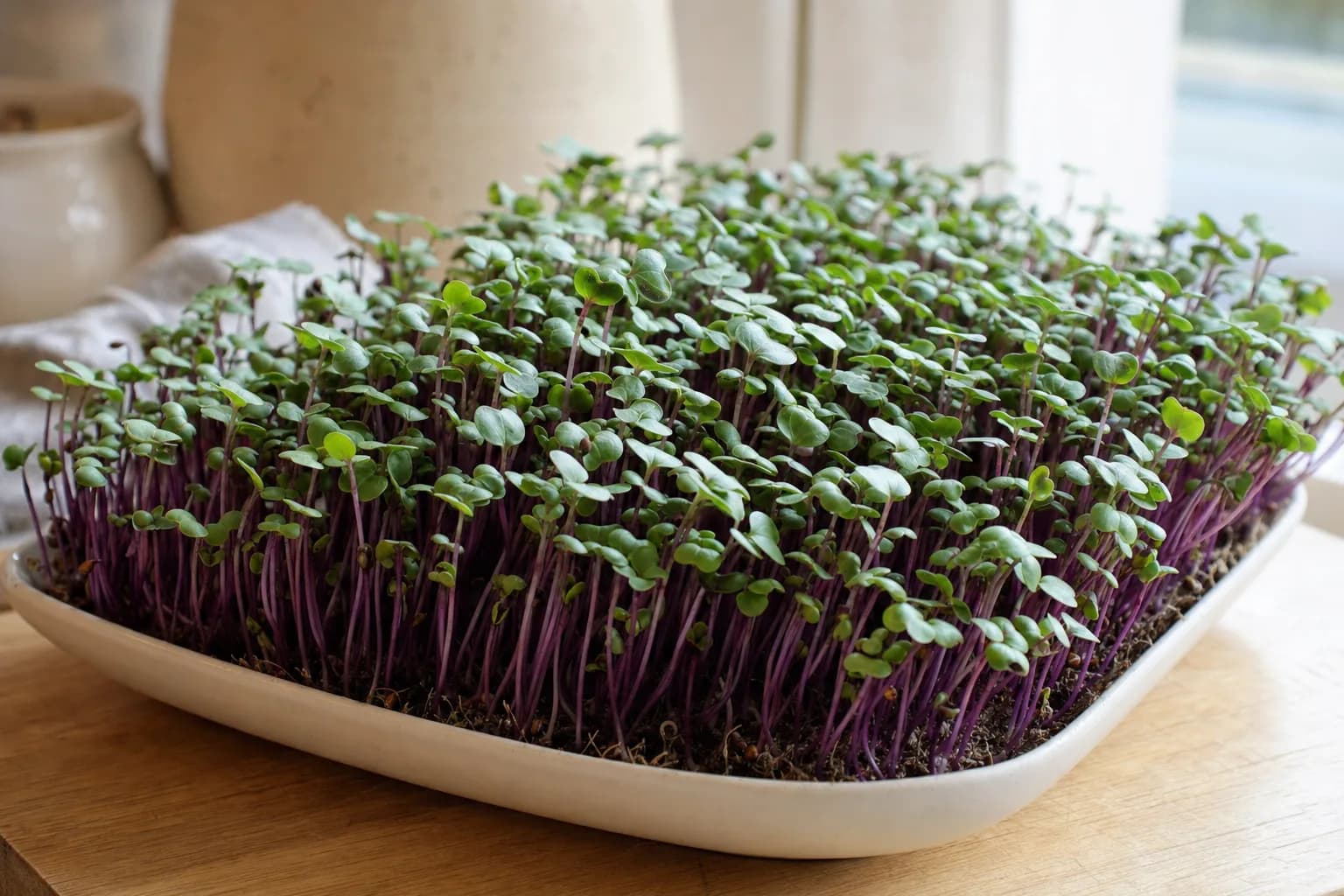
Most microgreen mixes taste like a vague green blur. A blend that actually works has three jobs in it — a base, an accent and an edge — and knowing which crop does which is the whole trick.

Bacteria get inside the plant during germination, where rinsing cannot reach them. That single fact rearranges every piece of microgreen safety advice you have read.

Microgreens have been recalled for Salmonella — most often broccoli microgreens. Here is the contamination record, why it happens, and what genuinely changes the risk.

Researchers digested Brassica microgreens in a lab and fed them to human gut bacteria. Different crops fed different microbes — and produced different short-chain fatty acids. Here is what that does and does not tell us.

A 2026 study found sunflower microgreen extracts inhibit alpha-amylase — the enzyme that turns starch into sugar. Here is what that result means, and the four steps between it and your dinner.

Broccoli, radish, sunflower or pea — which microgreens actually have evidence behind them for blood sugar? A crop-by-crop look at what has been measured, and what has not.

Freeze-drying preserved the most pigment and phenolics. Microwave and air-fryer drying changed which compounds survived rather than how many. Across both studies, fresh scored highest on activity.

Pathogens introduced through irrigation water did not just reach the plants — they persisted on them and in the growing medium. Water is not the neutral thing that carries everything else.

Contaminated seed is a primary route by which pathogens enter microgreens — and seed is the single ingredient a home grower inherits from the supply chain. Here is what has been tested, and why we are not publishing a recipe.

Microgreens grow in warmth and humidity — conditions that suit bacteria as much as plants. One study found that how much contamination got in barely mattered. That result is worth understanding before you decide how to grow.

Zinc enrichment raised bioaccessible zinc seventeen-fold in radish. It also lowered iron. The antagonism between these two minerals — and the discovery that light is a separate lever entirely — is what makes this worth understanding.

Four species grown with iodine in the water raised tissue iodine by an average 227%. The more valuable result is what stayed the same — dry matter, colour, and critically, nitrate.

Kale microgreens grown with selenate in the nutrient solution accumulated 893 µg/kg. Sprayed on the leaves, the same element reached 24. The gap is the most useful thing in the study.

Put a mineral in the water and the plant takes it up. That is a real, measured technique with published numbers behind it — and three trade-offs that rarely get mentioned alongside them.

Leggy microgreens flop over with tall, pale, weak stems. Learn why etiolation happens, when stretch is good, and the light fixes for sturdy stems.

A practical guide to microgreen seed density: how many grams to sow per 10x20 tray for each crop, plus what happens when you sow too thick or too thin.

Cress microgreens are one of the fastest, easiest crops to grow at home: no pre-soak, ready in about a week, with a bright peppery bite. Here is how.

Learn how to garnish with microgreens like a chef: height, color contrast, restraint, and freshness techniques that make a plate look restaurant-worthy.

The future of AI farming is shrinking from industrial greenhouses to countertop food computers. Here's where autonomous growing is headed and why it matters.

A clear guide to when and how to harvest and store microgreens — the right stage to cut, whether to wash, how to dry, and fridge shelf life by crop.

Why microgreen color and taste go together: how anthocyanins, carotenoids, and chlorophyll shape flavor and antioxidants, plus how light tunes the colors.

Secondary metabolites in microgreens, explained: what glucosinolates, phenolics, carotenoids, and vitamins are, why they matter, and how light changes them.

Cooking with microgreens? Heat wilts delicate leaves and degrades some nutrients. Here's how to add them at the right moment and which crops handle warmth.

Cilantro microgreens deliver intense herb flavor in tender, soil-free greens. A friendly guide to growing this slow crop, splitting seeds, and using them in the kitchen.

Data-driven growing turns guesswork into better harvests. See what a smart grower tracks, how feedback loops lift yield, and why numbers beat instinct.

Learn how airflow and humidity control prevents mold and damping-off in microgreens. Get target ranges, fan tips, and a simple fix-it routine for cleaner trays.

A plain-English guide to photoperiod and DLI for microgreens — how many hours, how bright, and the daily light targets that grow greener, sturdier trays.

A practical microgreens flavor pairing guide: which tiny greens belong on eggs, tacos, soup, fish, sandwiches, and salads, with a quick-reference chart.

Beet microgreens bring deep red stems and a sweet, earthy flavor to your plate. Learn how to soak, grow, and use this gorgeous but slow-starting crop at home.

How to use microgreens in sandwiches and wraps as a peppery upgrade to lettuce, with the best crops, flavor combos, and a light look at the nutrition gap.

Why precise climate control means better microgreens: steady temperature, humidity, and light produce more uniform, nutrient-dense, reliable trays at home.

The blackout method is the simplest way to get even, sturdy microgreen germination. Learn soaking, doming, weighting, and exactly when to uncover.

What anthocyanins are, why they matter for health, which microgreens are richest in them, and how light and temperature drive deeper red and purple color.

The microgreen texture guide: what makes greens crunchy or tender, how to match texture to dishes, and how to avoid slimy, watery results every time.

Amaranth microgreens bring electric magenta color, plant iron, and antioxidants to your plate. A friendly guide to growing the tiny seeds, the science, and how to eat them.

Microgreens for breakfast made simple: how to add them to scrambles, omelets, frittatas and bowls without losing flavor or nutrients. Quick, practical tips.

Learn how to maximize microgreen yield per tray with the right seed density, even watering, smart lighting, and harvest timing for heavier, healthier crops.

How closed-loop climate control turns sensor readings into real-time growing decisions, why it beats fixed schedules, and how Luya runs it on your counter.

LED vs sunlight for growing microgreens: how a tunable, steady spectrum beats variable window light for color, flavor, and reliable nutrition indoors.

Wondering why your microgreens taste bitter? Here are the real causes, from glucosinolates to harvest timing, plus simple fixes for sweeter, milder greens.

Cabbage microgreens deliver gentle flavor, red-cabbage anthocyanins, and brassica nutrition in days. Learn their benefits, flavor, and how to grow them.

Make microgreen pesto and quick green sauces at home with simple ratios, the best crops to use, and an original recipe you can blend in five minutes.

Do microgreens need nutrients or fertilizer? The honest answer: the seed feeds itself, but a dilute solution boosts size, color, and harvest speed.

What is an autonomous greenhouse? A plain-English guide to how AI runs climate, water, and light on its own to lift yield and cut energy and labor.

How a small dose of UV light and microgreens work together: mild UV-B stress raises flavonoids and phenolics, the trade-offs with yield, and how to stay safe.

Discover nutty & sweet microgreens like sunflower and pea shoots—the mild, crunchy crops kids and beginners love. Flavor notes, texture, and easy uses.

Mustard microgreens bring real heat from glucosinolates. Learn the science behind their bite, their nutrition, and how to grow a steady supply at home.

A practical guide to finishing soups with microgreens: when to add them, which greens suit which bowls, and how to keep their nutrients and crunch intact.

Model predictive control for growing, in plain English: how a grower that predicts the next few hours and optimizes ahead beats a simple thermostat for plants.

Water for microgreens: what pH and EC actually mean, why chlorine and overwatering matter, and the simple targets that keep trays clean and crisp.

Microgreens vs baby greens: how flavor intensity, tenderness, and bitterness differ between the two, plus when to reach for each in real cooking.

How red and far-red light in microgreen growing shapes stem length, biomass, and antioxidant levels through the phytochrome system — and how to use it at home.

Tired of plain avocado toast? Here are five microgreens on toast combos — ricotta, egg, smoked salmon, hummus — with the right greens for each.

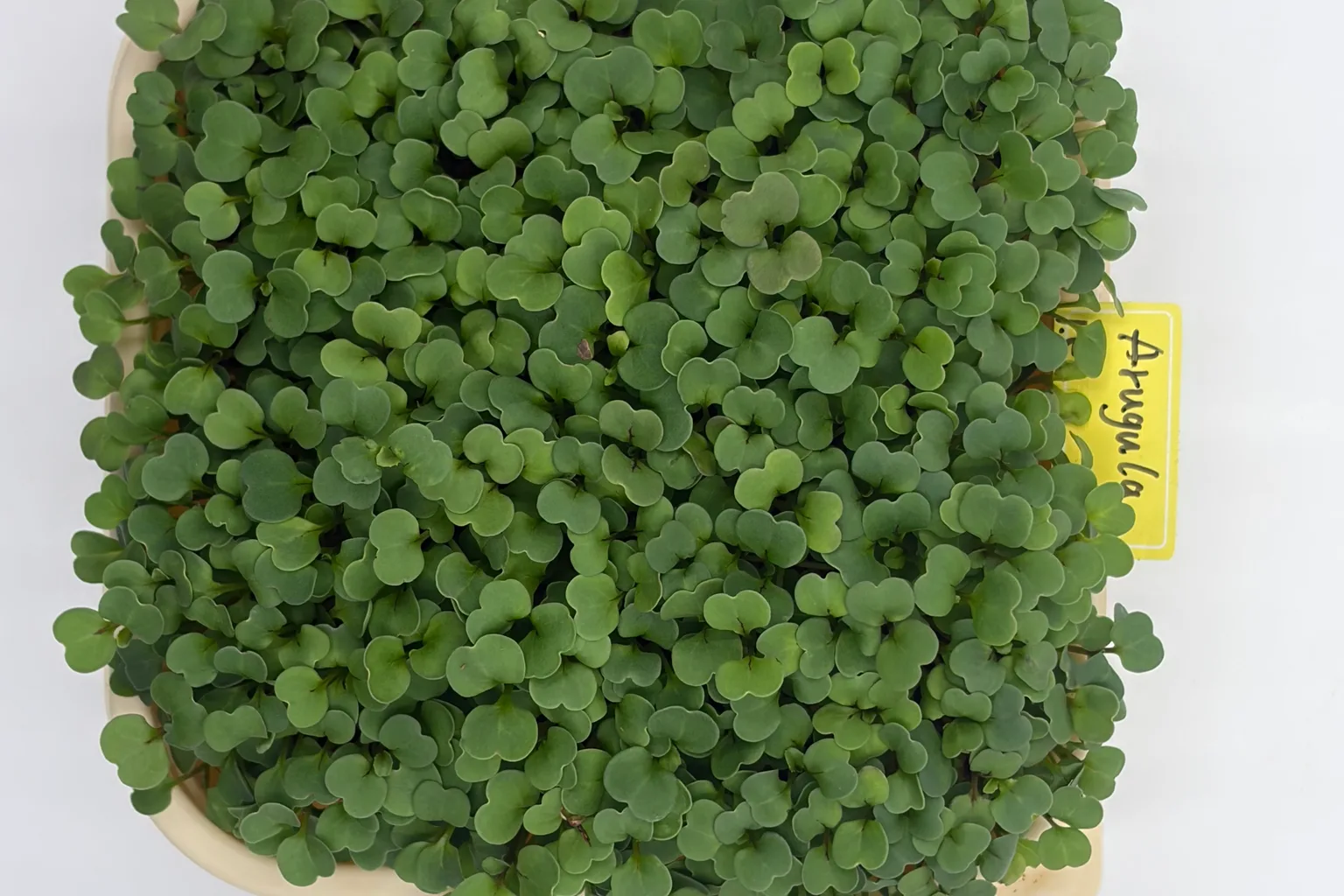
Arugula microgreens bring a bold, peppery bite in about a week. A friendly guide to their flavor, nutrition, how to grow them, and the best ways to eat them.

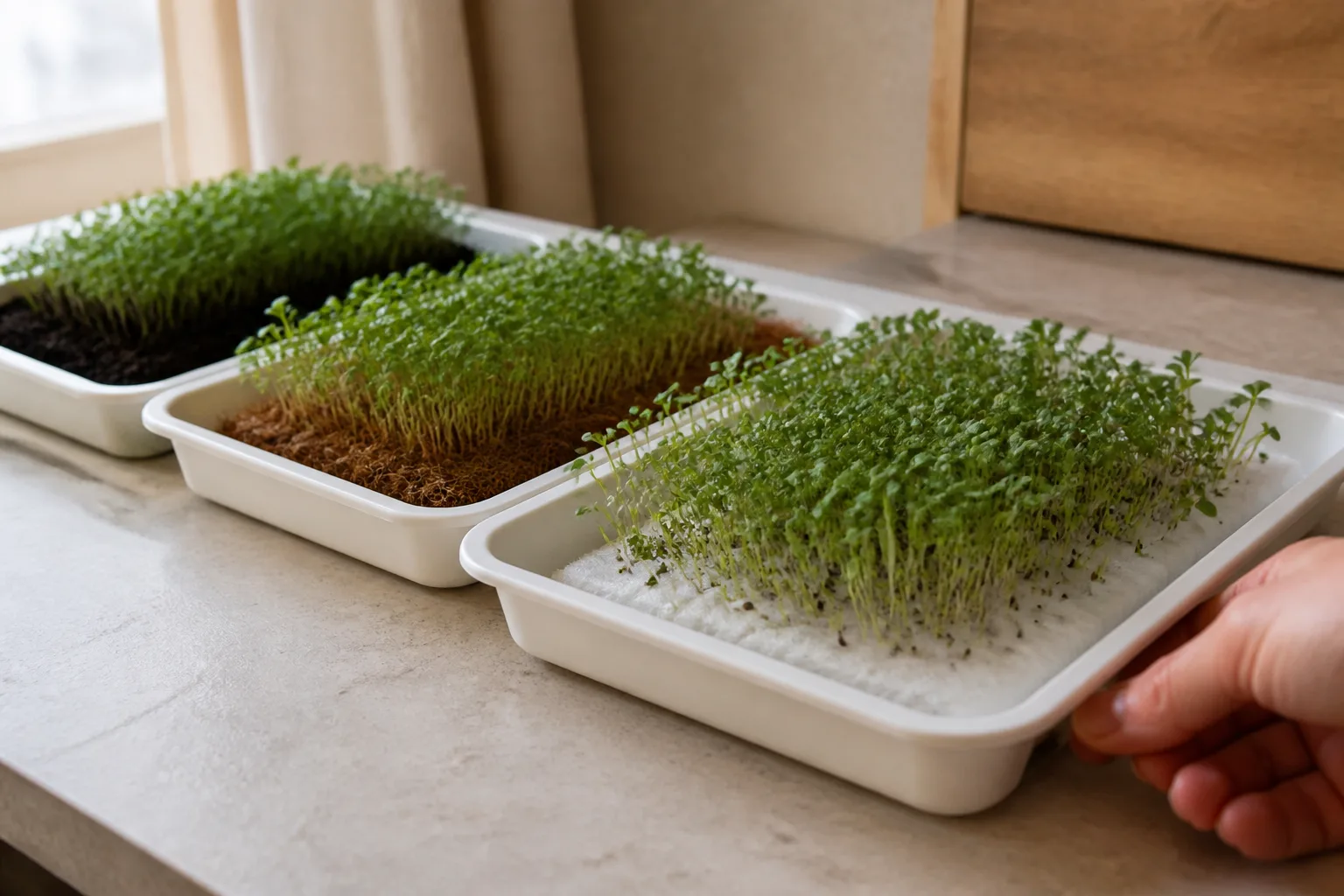
Coco coir, hemp mats, jute, paper towel, soil, or no medium at all? A clear, side-by-side look at the best growing medium for microgreens by cost, mess, and yield.

Reinforcement learning in agriculture, explained simply: how an AI agent learns by trial and error to control a greenhouse for better yield and lower energy.

How blue light and microgreens interact: cryptochromes drive anthocyanins, flavonoids, and compact growth. The science plus practical lighting tips.

Why some spicy microgreens bite back, how mustard, radish, arugula, and cress compare on heat, and the best ways to use them or tame the burn.

Sunflower microgreens are the nutty, crunchy crop everyone loves first. Their nutrition, flavor, soaking, growing, harvest, and easy ways to eat them.

15 savory ways to eat microgreens every day: toast, eggs, soups, tacos, pasta, pizza and more, with a flavor-pairing table to make every handful count.

Curious how AI runs a growing chamber? Here's the plain-English loop from sensors to model to actuators that keeps temperature, light, and water just right.

Learn how to grow microgreens hydroponically with no soil: media, water, seeding, blackout, light, and harvest. A clean, beginner-friendly step-by-step guide.

How light drives microgreen nutrition: the way light intensity, spectrum, and timing tune phenolics, flavonoids, and vitamins in your shoots.

The 4 flavor profiles of microgreens explained: spicy, fresh-green, nutty-sweet, and mild. Learn how each tastes and how to choose the right one for any dish.

Are store-bought microgreens fresh? We trace the supply chain, shelf life, and nutrient loss to help you buy smarter and waste less.

Fresh microgreens at home beat store clamshells on cost, nutrition, and flavor. What to grow, what goes wrong, and how to skip the chores.

The future of home farming is small, smart, and on your counter. How AI and vertical growing bring fresh, nutrient-dense greens to your kitchen.

Growing microgreens maintenance got you down? Real fixes for the mess, the mold, and the daily chores that quietly kill home trays.

Sulforaphane supplement vs microgreens: which delivers more usable compound? A clear, science-based breakdown for biohackers.

Microgreens iron facts for vegans: how nutrient-dense greens fit a plant-based diet, which crops to grow, and how to absorb more iron.

Learn how to maximize sulforaphane from broccoli microgreens with simple prep, timing, and freshness tactics any biohacker can use daily.

Controlled environment agriculture home setups explained — how sealed, climate-controlled growing puts fresh, nutrient-dense microgreens on your counter.

Microgreens vegan diet ideas you can use daily — easy ways to add protein, vitamins, and antioxidants to plant-based meals without extra effort.

Kale microgreens pack vitamins C, K, and E into tiny greens. Learn their benefits and how to grow them at home.

Microgreens vs sprouts vs mature vegetables: how they grow, how they compare on nutrition and food safety, and which one is right for you.

Microgreens inflammation science explained: how cruciferous greens like broccoli make sulforaphane, and what the research really shows.

Learn how to grow microgreens without soil at home using simple hydroponic mats, clean methods, and beginner-friendly crops for fresh greens.

A pre-seeded microgreens tray turns home growing into a drop-in habit—no soil, no mess, no daily fuss. Here's how it works and why it matters.

Pea shoots are one of the more protein-dense microgreens and a strong plant-based protein source. Benefits, nutrition, how to eat them, and how to keep them fresh.

Microgreens cholesterol research is promising but early. See what the red cabbage mouse study really found and how to use microgreens wisely.

Microgreens longevity, explained for biohackers — the nutrient density, sulforaphane, and protein data behind these tiny greens.

Grow vs buy microgreens: compare real cost per serving, freshness, and daily effort to decide which option actually fits your kitchen and budget.

Radish microgreens grow in days and pack 2-3.5x the nutrients of mature radishes. A friendly guide to growing, eating, and getting the most from them.

How to eat microgreens every day: 10 no-recipe ideas for toast, eggs, soup, salads, and smoothies, plus how to keep their nutrition intact.

Microgreens and diabetes: what early studies suggest about sulforaphane, blood sugar, and adding nutrient-dense greens to a type 2 diabetes diet.

The AI microgreens grower explained: how Luya's sealed, climate-controlled appliance grows fresh greens on your counter with zero daily chores.

Broccoli microgreens carry far more sulforaphane precursor than mature broccoli. Here's the nutrition, the science, and how to grow them at home.

High protein microgreens like pea shoots add real plant-based protein, vitamins, and freshness to vegan meals. Here are the best ones and how to eat them.

A 2 oz clamshell of microgreens can cost $4–6 and wilt within days. Here's why store-bought microgreens are so pricey and rarely fresh — and the cheaper, fresher alternative.

The best microgreens smoothie recipes to blend more nutrients into your day, with crops, ratios, and tips for a smooth, fresh, great-tasting drink.

Are microgreens good for you? Research shows they're 2-3.5x more nutrient-dense than mature greens. Here's what the science genuinely supports.

The easiest microgreens to grow at home for beginners — 7 fast, forgiving crops with timing, flavor, and care tips so your first tray succeeds.

Microgreens salad ideas that go beyond garnish—flavor-first bowls, crop-to-pairing matches, and dressing ratios for fresher, more nutritious meals.

Mold is the #1 reason home microgreens fail. Here's what actually causes it, how to prevent it step by step, and why it keeps happening even when you do everything right.

Luya is an AI-powered countertop appliance that grows fresh microgreens with zero effort — like a Nespresso, but for greens. Here's what it is and how it fits your kitchen.

Sulforaphane is the powerhouse compound in broccoli microgreens — which contain 10–100× more than mature broccoli. Here's what the science says and how to get the most of it.

What are microgreens? A beginner's guide to these nutrient-dense baby greens, the best crops to start with, and how to grow them at home.

A simple, step-by-step guide to growing microgreens at home — the seeds, gear, and 7 steps from sowing to harvest, plus the mistakes that trip up beginners.

Microgreens nutrition explained: why these tiny greens carry 2-3.5x more nutrients than mature vegetables, the standout crops, and how to eat them.