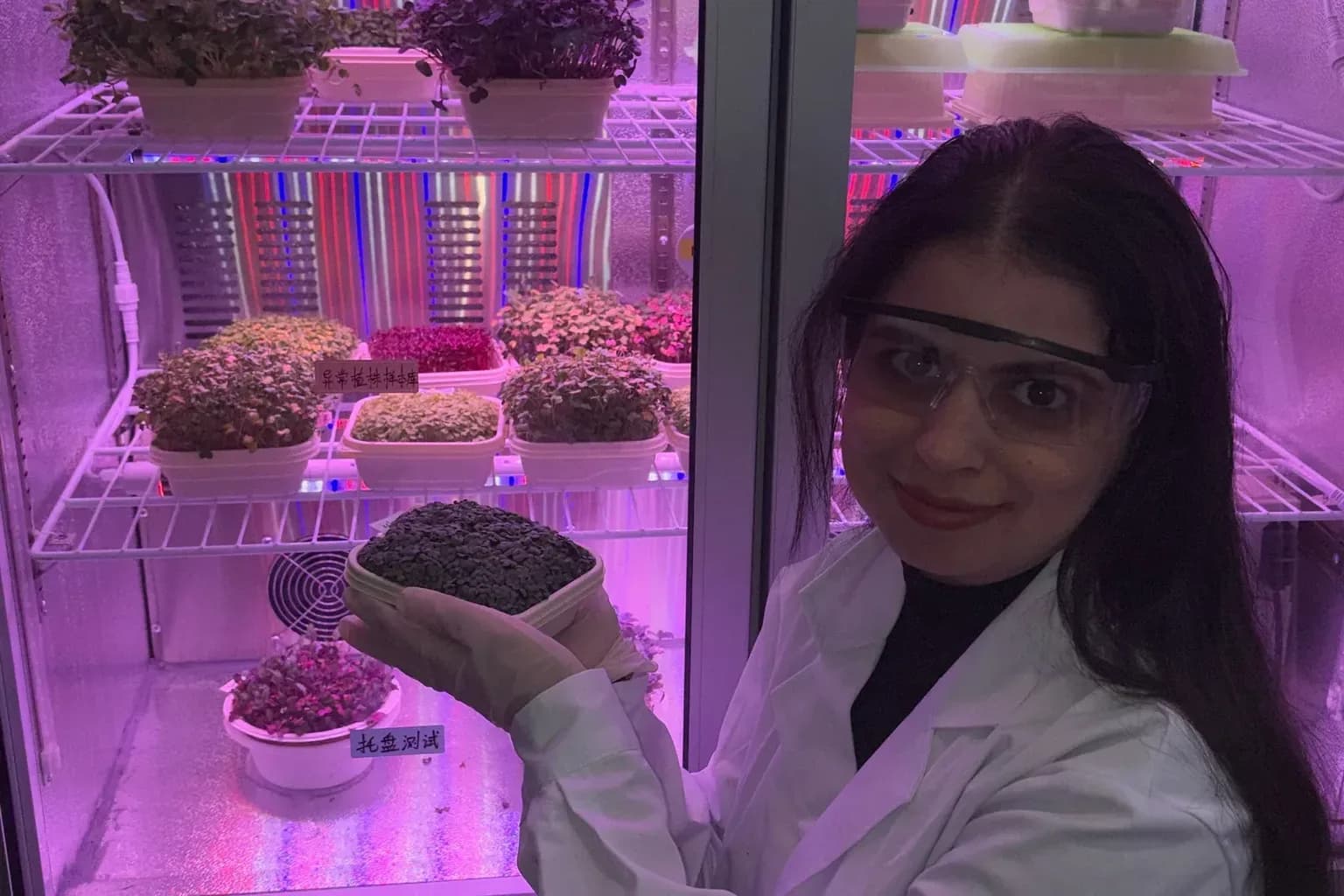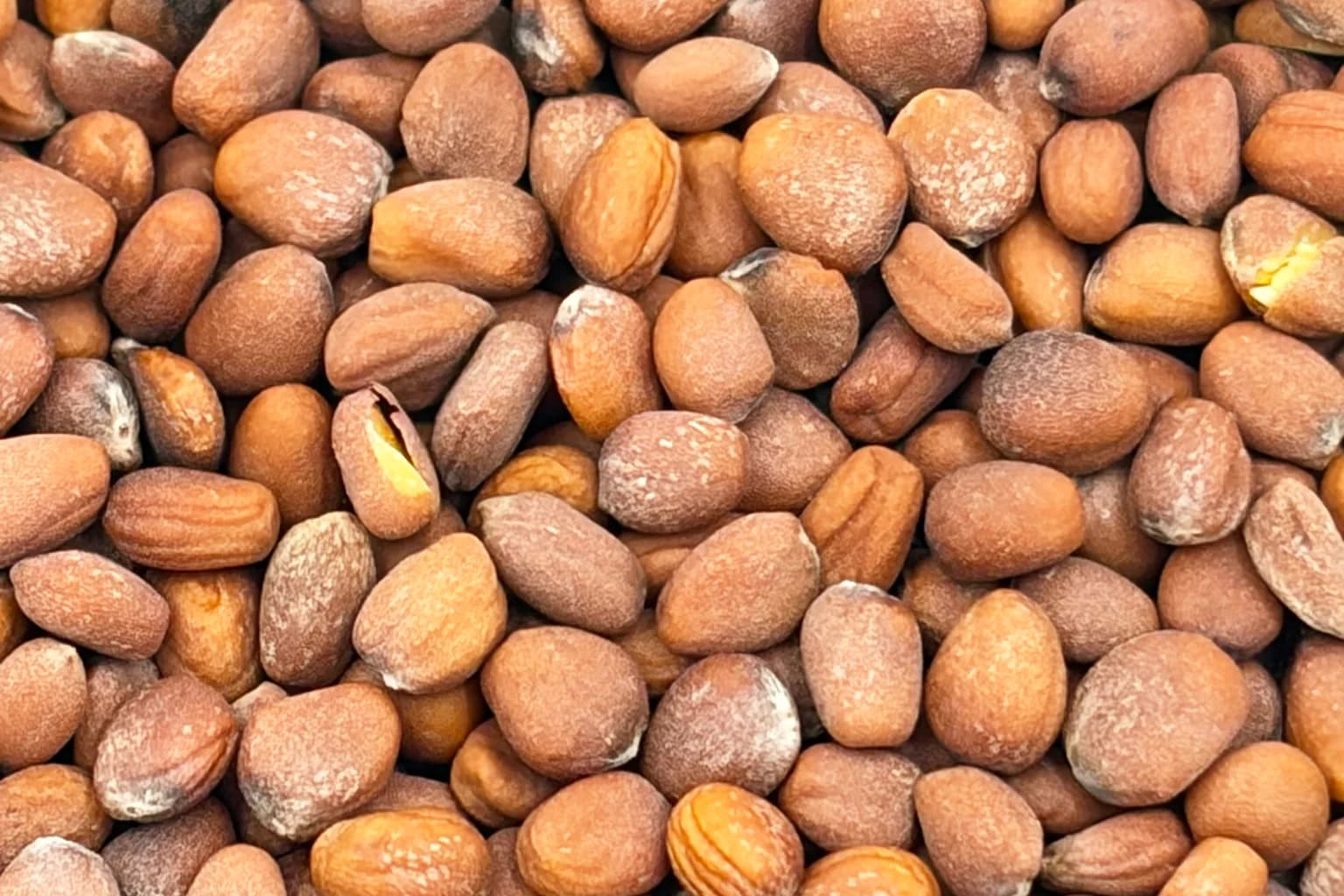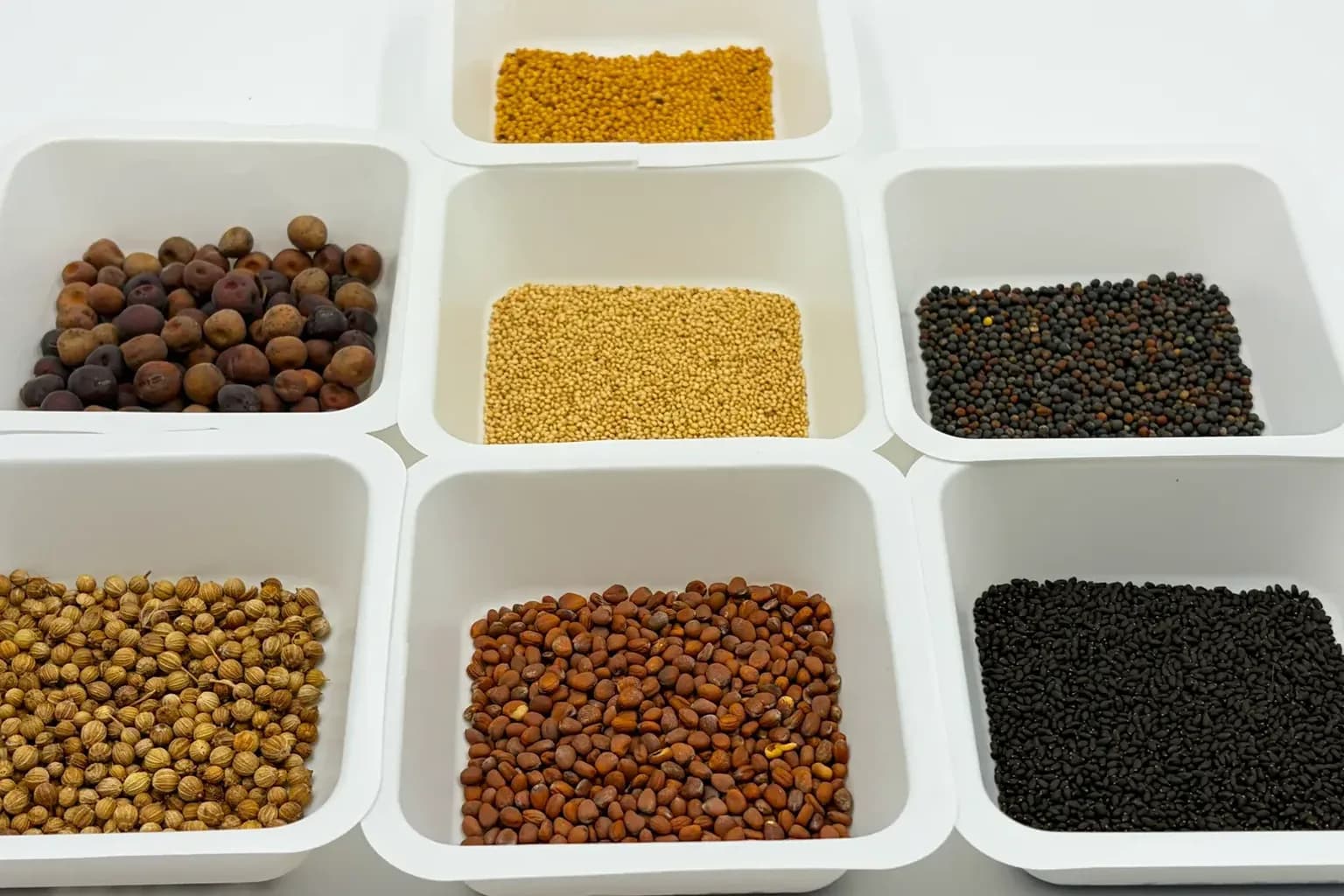
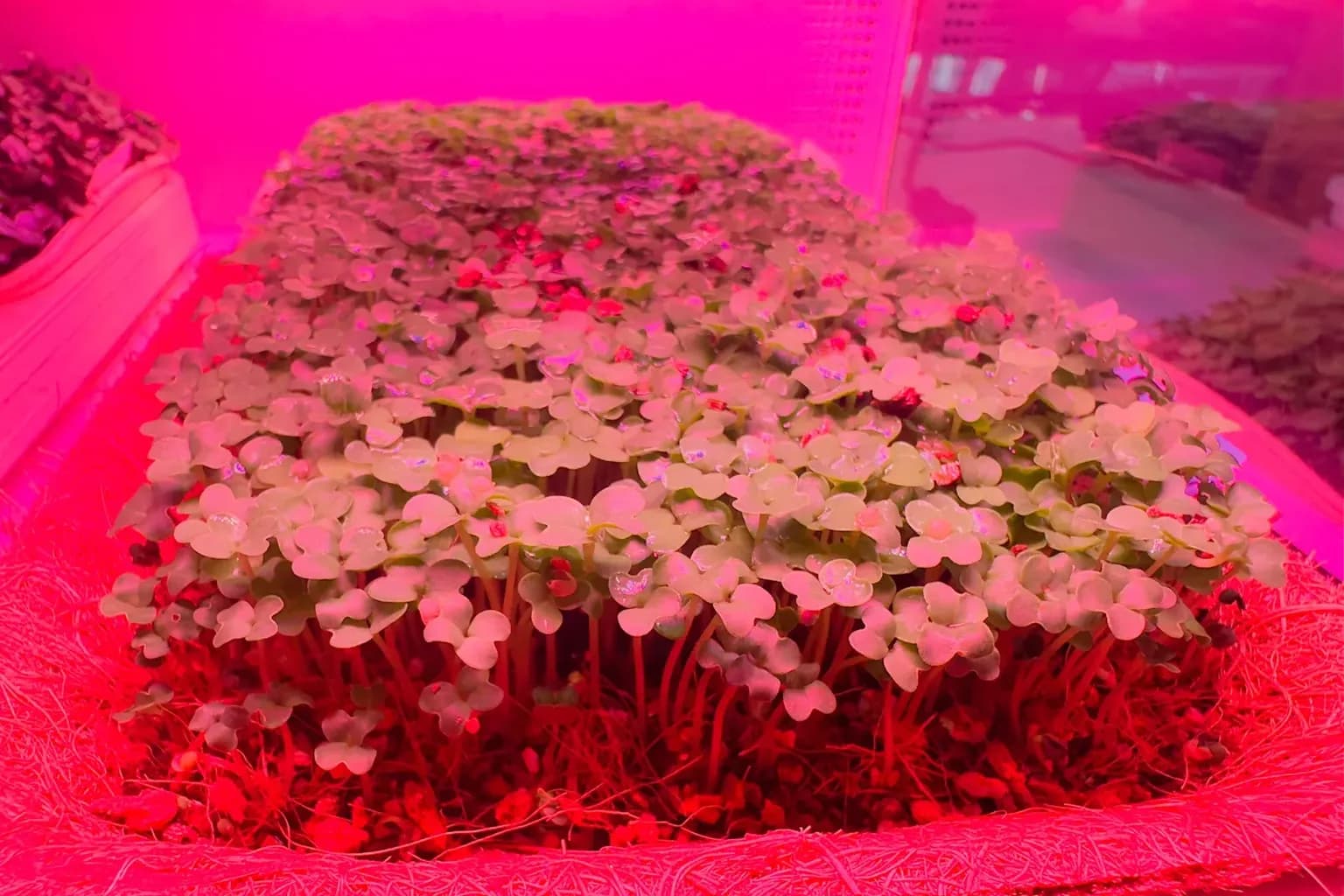
If you have ever grown a tray of microgreens that came out pale, stretched, and floppy, the culprit was almost never the seed. It was the light — usually too little of it, sometimes delivered for the wrong number of hours. Light is the single lever that turns a sad, leggy tray into a dense, deep-green carpet you actually want to eat.
But "more light" is not the whole answer. Plants respond to two different things: how many hours the light is on, and how bright it is while it's on. Put those together and you get a single, useful number called the Daily Light Integral, or DLI. Once you understand photoperiod and DLI, you stop guessing and start dialing in results on purpose.
The Two Halves of Light: Hours and Intensity
Think of light the way you'd think of watering. There's how often you do it (the schedule) and how much you pour (the volume). For light, the schedule is the photoperiod — the number of hours per day the lamp is on. The volume is intensity — how many photons hit the tray each second, measured in micromoles per square meter per second (µmol·m⁻²·s⁻¹, often shortened to PPFD).
Neither number alone tells you whether a crop is getting enough. A dim light running 24 hours a day can deliver the same total as a bright light running 8 hours. What plants actually accumulate over a day is the product of the two, integrated across all the hours the light is on. That total is the DLI, expressed in moles of light per square meter per day (mol·m⁻²·d⁻¹).
Here's the relationship in plain math:
DLI = PPFD × hours of light × 0.0036
The 0.0036 is just the unit conversion (seconds in an hour, divided by a million, to turn micromoles into moles). You don't need to memorize it — but it's handy to see that you can reach the same DLI by trading hours for brightness, within limits.
Daily Light Integral Targets for Microgreens
Microgreens are harvested young, usually 7 to 14 days after germination, so they don't need the heavy light load that a fruiting tomato demands. They mostly need enough light to green up, build sturdy stems, and develop color and flavor — without burning energy they'll never use.
For most leafy microgreens, a DLI somewhere in the 6 to 17 mol·m⁻²·d⁻¹ range works well, with the sweet spot for everyday crops sitting around 10 to 14. Below that, plants stretch toward the light and stay pale. Push much above it and you risk diminishing returns: extra electricity, faster drying, and on sensitive crops, stress.
| Crop type | DLI target (mol·m⁻²·d⁻¹) | PPFD range (µmol·m⁻²·s⁻¹) | Notes |
|---|---|---|---|
| Pea & sunflower shoots | 8–12 | 150–250 | Tolerant; tall stems still want decent light |
| Broccoli, kale, cabbage | 10–14 | 180–280 | Sweet spot for color and stockiness |
| Radish & mustard | 10–16 | 200–300 | Higher light deepens red and purple color |
| Basil, amaranth, beet | 12–17 | 220–320 | Pigment-rich crops reward brighter light |
| Delicate herbs (cilantro) | 6–10 | 120–200 | Lower light avoids stress and bolting flavor |
These are practical home-grow ranges, not laboratory maximums. If you only remember one thing: aim for the middle, then adjust based on what your tray tells you. Pale and stretched means more light. Crispy edges or stalled growth means back off.
How Many Hours? Setting the Photoperiod
Most growers land on a photoperiod of 14 to 18 hours of light per day for microgreens, with 16 hours on, 8 hours off being the reliable default. That schedule hits a healthy DLI at moderate brightness while giving plants a daily dark period.
Why bother with darkness at all, when more hours means more total light? Because plants run on an internal clock. The circadian system reads the day-night cycle and uses it to time when certain genes switch on — including some that govern flavor and pigment compounds. A predictable rhythm of light and dark keeps that clock running cleanly. Research on continuous 24-hour lighting shows it can push up total phenolics and flavonoids in crops like basil and moringa, so non-stop light isn't harmful for a short microgreen cycle. But it costs more energy, and for most home crops the gain is small. A 16-hour day is the better trade.
One nuance worth knowing: when light arrives can subtly shift a crop's chemistry. Studies on tomato seedlings found that a few hours of light in the morning nudged phenolic compounds up, while the same light in the evening favored flavonoids instead. You don't need to micromanage this at home, but it's a reminder that timing — not just total hours — is part of the recipe.
Don't Skip the Blackout Period
Before any of the DLI math matters, microgreens go through a dark phase right after seeding. During germination, seeds are kept in darkness (often under a weighted cover) for the first 2 to 4 days. This blackout period encourages stems to push up uniformly and roots to grip the medium before the canopy ever sees a photon.
Bring light in too early and you can get uneven, weak stands. Leave the blackout on too long and seedlings stretch and yellow, hunting for light that isn't there. Once a healthy majority of the tray has lifted its cover and shows a hint of green, it's time to switch the lights on and start the real photoperiod. If you want the full germination playbook, see our guide to the blackout period for microgreens.
Reading Your Tray Instead of a Light Meter
Most home growers don't own a PPFD meter, and that's fine — microgreens give honest feedback if you know what to look for.
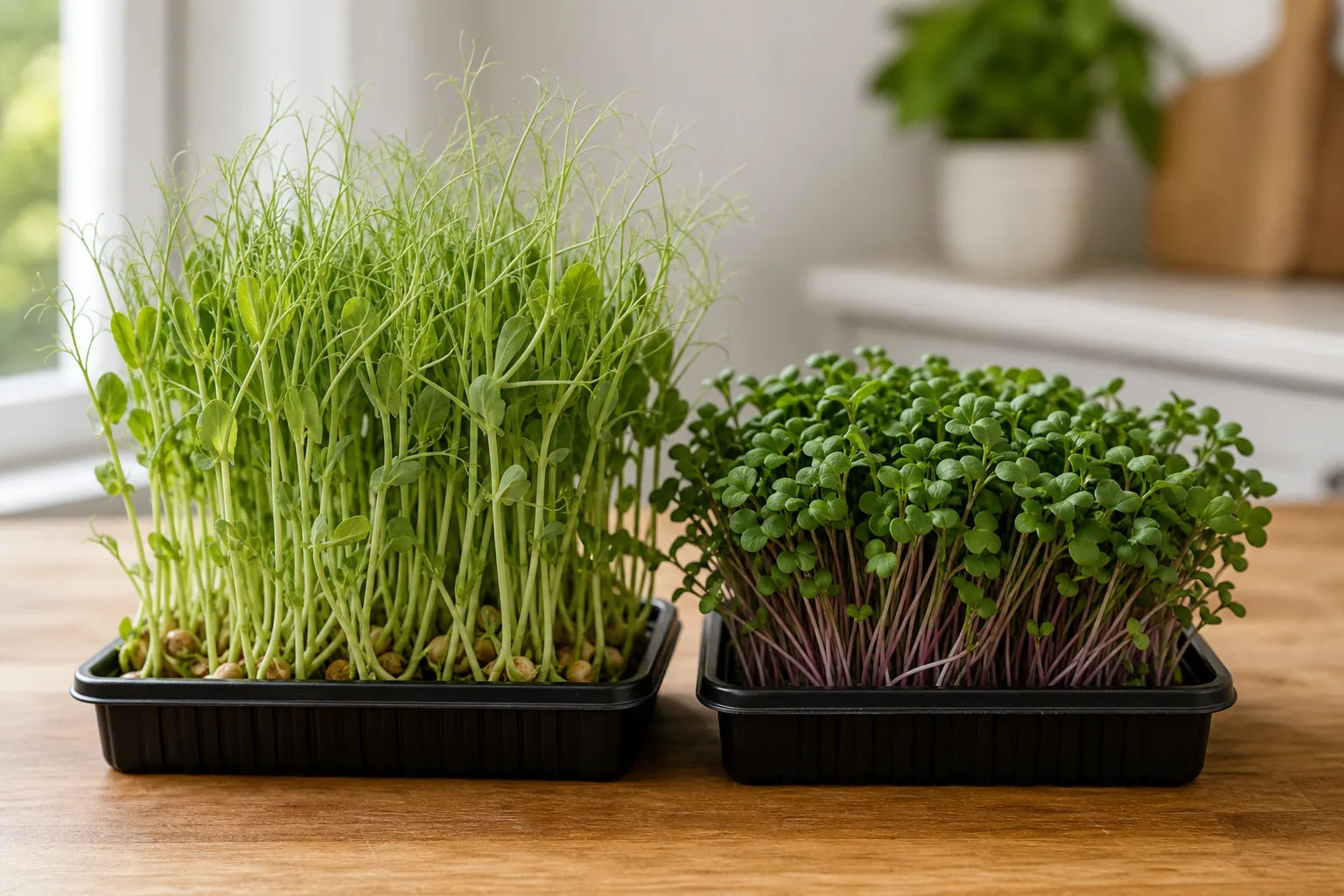
- Tall, pale, falling-over stems with small leaves: not enough light. Lower the lamp or extend the photoperiod by an hour or two. This is the classic fix for leggy microgreens.
- Short, deep-green, sturdy stems with full leaves: you're in the zone. Leave it.
- Cupped, crispy, or bleached leaf tips: too much intensity, or the lamp is too close. Raise it or trim the hours.
- Vivid reds and purples in radish or amaranth: a sign your light is bright enough to drive pigment production. Many of those pigments are anthocyanins, the same antioxidants that color the deepest leaves.
Distance from the lamp is your easiest dial. Moving an LED panel closer roughly follows an inverse-square relationship, so small height changes have a big effect on intensity. Start with the lamp a hand's width above the canopy and adjust from there.
Why a Smart Grower Takes the Guesswork Out
Hitting a consistent DLI by hand means watching the canopy, nudging the lamp, and remembering to switch lights on and off on a fixed schedule — every single day, across a crop that changes shape as it grows. That's manageable for one tray, tedious for many, and easy to forget.
This is where a closed system earns its keep. Luya uses intelligent growing control to adjust lighting for the crop and its growing conditions, so the daily light total lands in the right window without you doing the arithmetic. It's the same principle that controlled-environment agriculture uses at warehouse scale — pin the variables, repeat the result — shrunk down to your counter. Steady light is also one of the quieter defenses against a stretched, mold-prone tray, which is part of why microgreens keep molding when conditions drift.
The Short Version
Light for microgreens comes down to three settings: a 2-to-4-day blackout to germinate, a 14-to-18-hour photoperiod once they green up, and a daily light total (DLI) in the 10-to-14 range for most crops. Brightness and hours trade against each other to hit that total, but a daily dark period keeps the plant's clock honest.
If your trays come out tall and pale, add light. If they bleach or crisp, back off. Microgreens are wonderfully quick to tell you when you've got it right — and once you do, you'll see it in every dense, deep-green harvest. For the rest of the grow, pair this with our guide on how to grow microgreens at home.
References
- Effect of Different Ratios of Blue and Red LED Light on Brassicaceae Microgreens under a Controlled Environment. Plants (Basel). 2021;10(4):801. https://doi.org/10.3390/plants10040801
- Kyriacou MC, Rouphael Y, Di Gioia F, et al. Micro-scale vegetable production and the rise of microgreens. Trends Food Sci Technol. 2016;57:103–115. https://doi.org/10.1016/j.tifs.2016.09.005