If you've ever wanted fresh greens on your counter but bailed at the thought of soil, watering schedules, and mold, you're the reason the pre-seeded microgreens tray exists. The idea is simple: the seeds are already laid out in a ready-to-grow tray, you drop it into an appliance, and a week or so later you're snipping fresh microgreens onto your eggs. No measuring, no mess, no guesswork.
Think of it like the shift from grinding beans and tamping espresso to dropping a pod into a machine. The freshness is still there; the friction is gone.
This article covers what a pre-seeded tray is, why it solves the two biggest reasons people quit home growing, and how it stacks up against DIY trays and store clamshells.
What a Pre-Seeded Microgreens Tray Actually Is
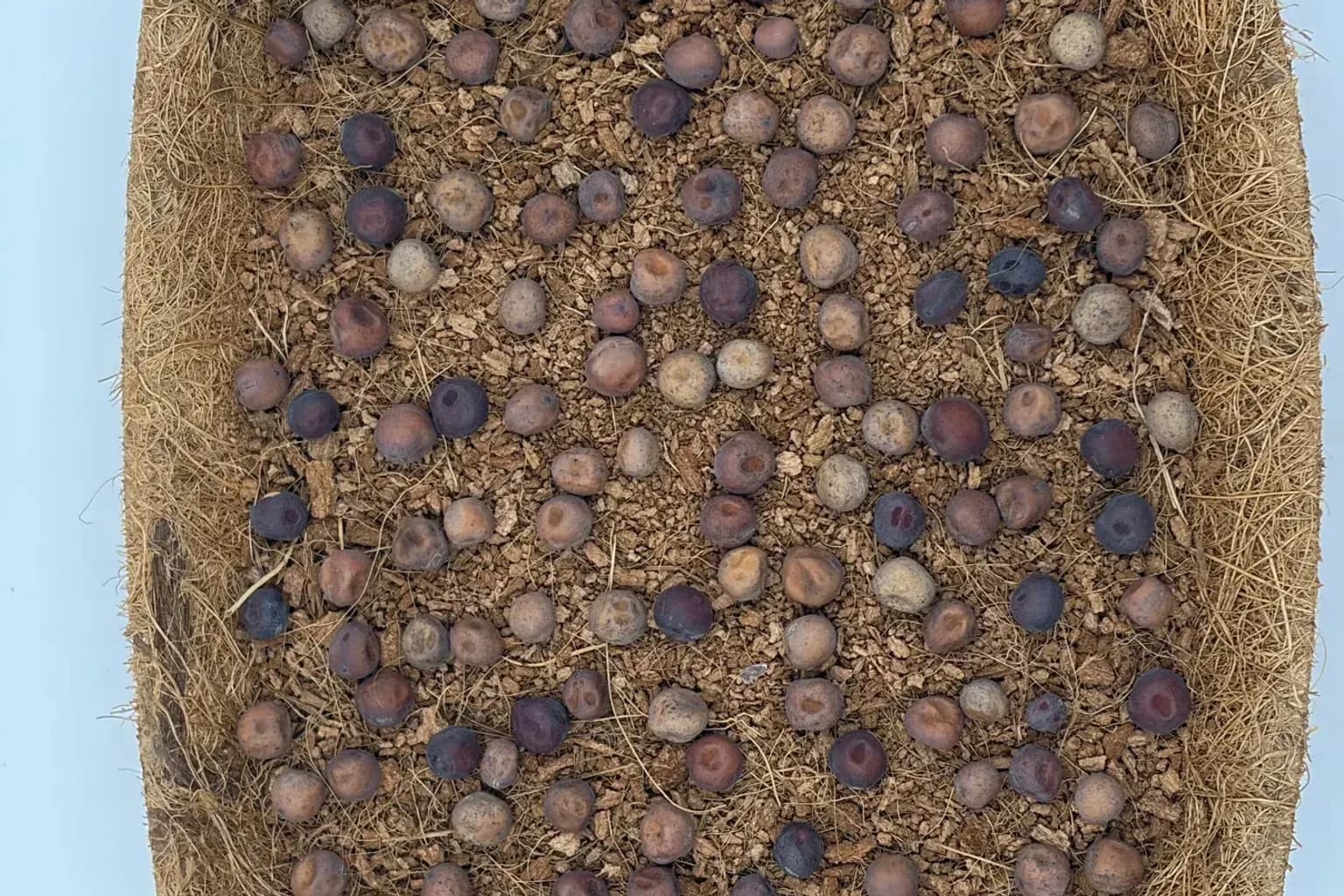
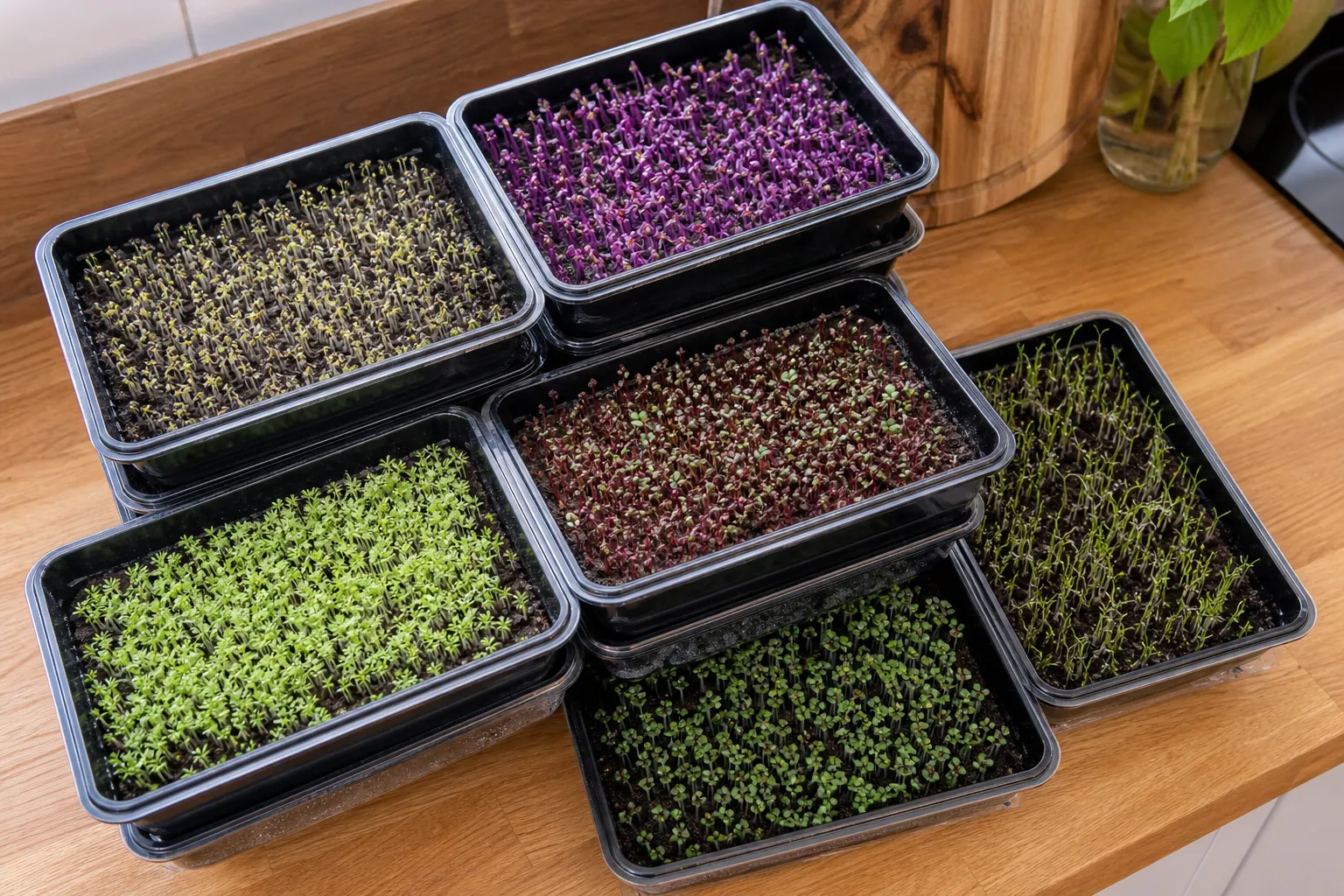
A pre-seeded microgreens tray is a single-use grow tray that arrives with the seeds already sown and evenly spaced for you. Instead of buying a bag of seed, soaking it, measuring density, and spreading it across soil, you just unwrap the tray and set it in place.
The Luya trays are US-made and shelf-stable for about a year, so you can keep a stack in a drawer and start a new grow whenever you want. Each tray is built for a specific crop—radish, broccoli, pea shoots, sunflower—so the seed density and timing are already dialed in.
That last part matters more than it sounds. Seeding density is one of the quietest causes of failure in DIY growing. Too sparse and you get a thin, sad harvest; too crowded and you get poor airflow, which invites mold. A pre-seeded tray takes that variable off your plate entirely.
If you're new to the category, our primer on what microgreens are is a good companion read—it covers why these tiny greens punch so far above their size.
Why "Easy as Coffee" Solves the Two Real Problems
Most people who try growing microgreens quit for one of two reasons. Pre-seeded trays paired with an automated appliance are built to address both.
Problem 1: DIY growing is a chore that punishes a busy week
Growing microgreens by hand is genuinely rewarding—until life gets in the way. The three classic DIY pains are mold, mess, and maintenance.
- Mold thrives on the combination of moisture, poor airflow, overcrowding, and warmth. One humid week and a tray can turn fuzzy.
- Mess comes from soil—on your counter, in your sink, tracked across the kitchen.
- Maintenance is the silent killer. A grow cycle runs about 10 days and wants daily attention. Travel or one hectic stretch, and the tray dries out or rots.
Manual growing has a real failure rate, and it's almost always a consistency problem rather than a skill problem. A pre-seeded tray dropped into a sealed, climate-controlled chamber removes the daily decisions. Watering, temperature, and airflow are handled, so a missed day doesn't end in a science experiment.
Problem 2: Store-bought greens are expensive and rarely fresh
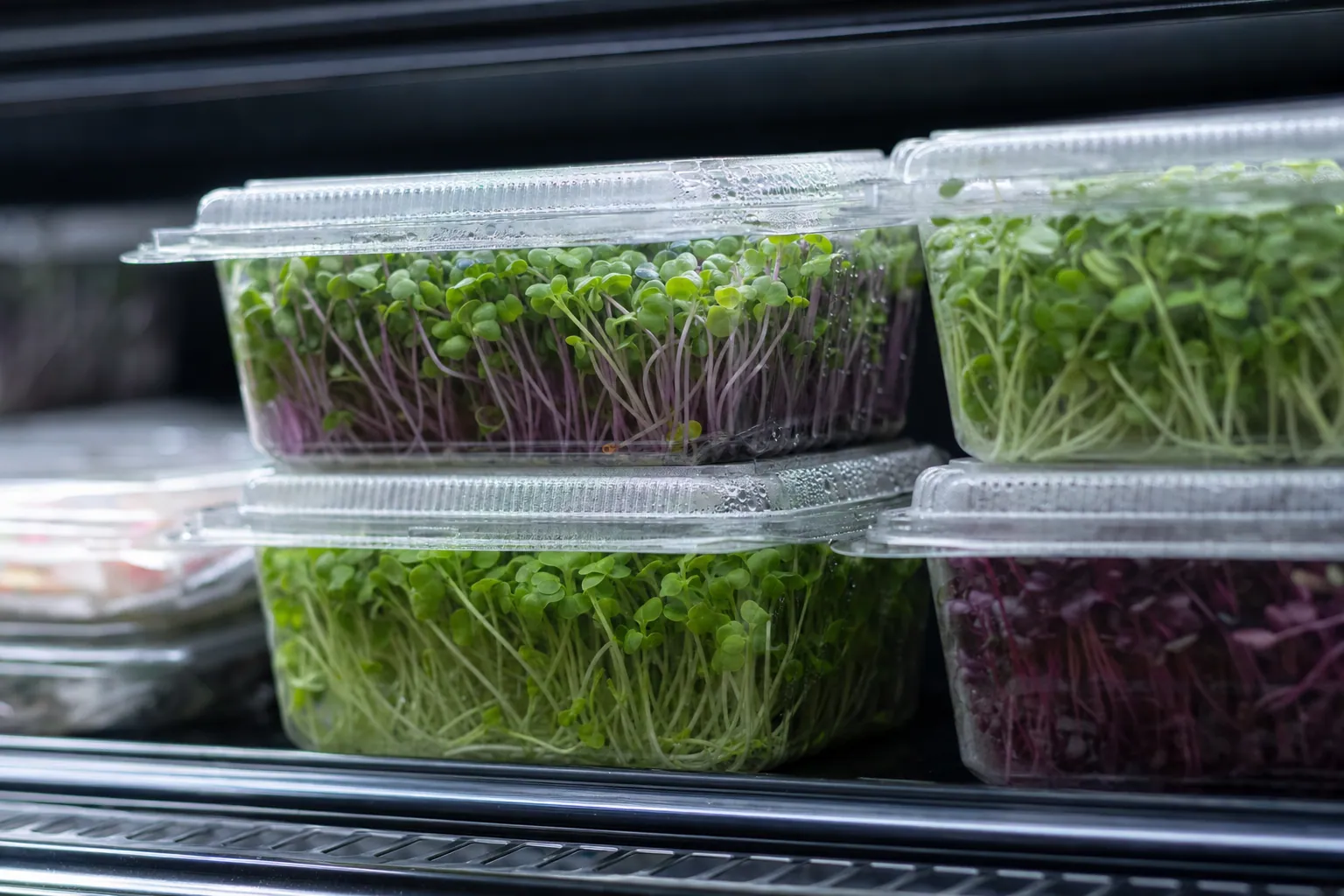
The alternative—buying microgreens—has its own headaches. A 2 oz clamshell runs about $4 to $6, which works out to roughly $30 to $50 per pound. And by the time it reaches your fridge, it has already spent days moving from farm to truck to warehouse to store. Microgreens wilt fast, so a good chunk of what you buy ends up in the trash.
We dig into this more in our breakdown of why store-bought microgreens are expensive and not fresh. The short version: you're paying a premium for produce that's already past its peak.
How the Tray-Plus-Appliance System Works
The pre-seeded tray is one half of the experience; the appliance it goes into is the other. Together they're meant to feel less like gardening and more like using a kitchen device.
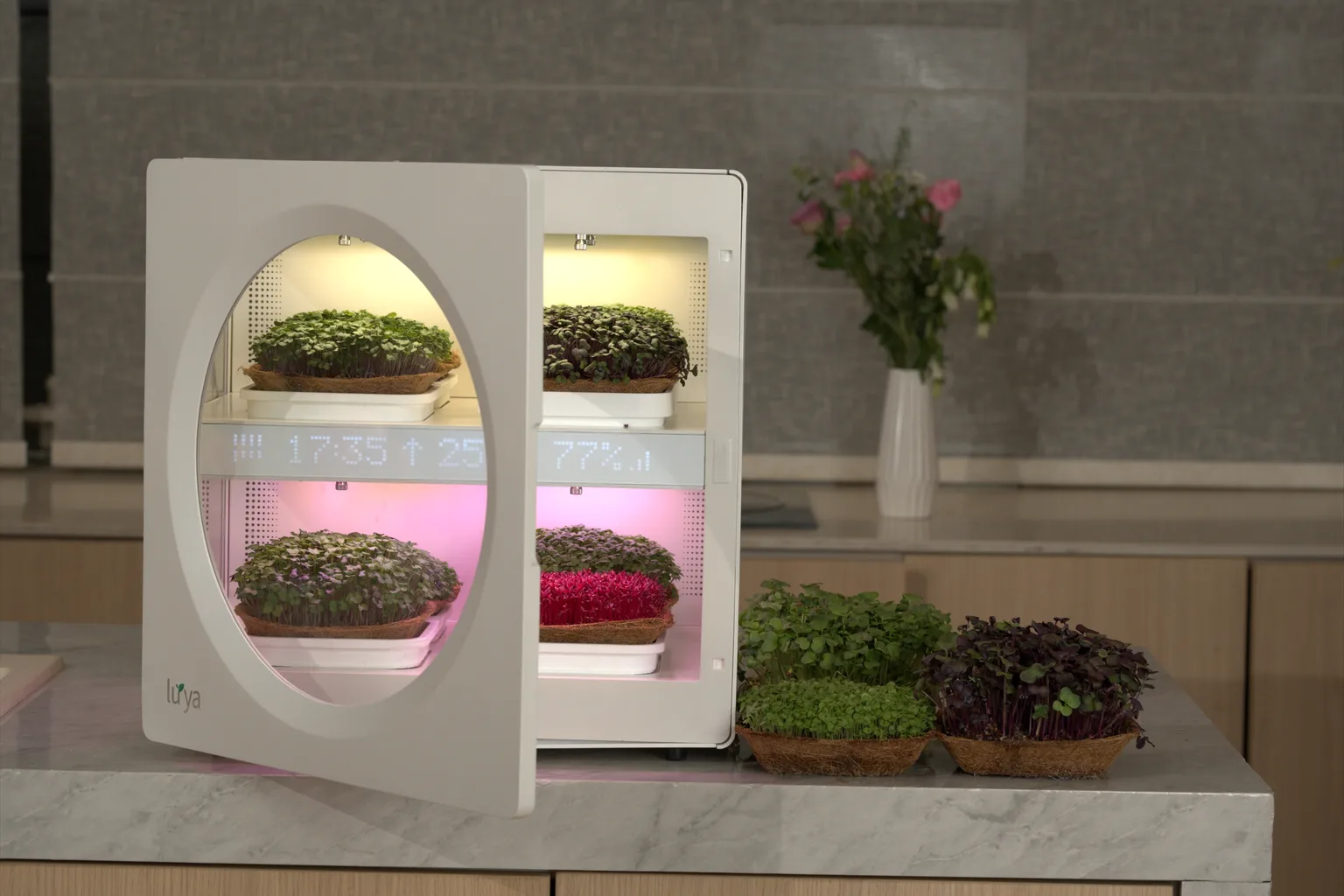
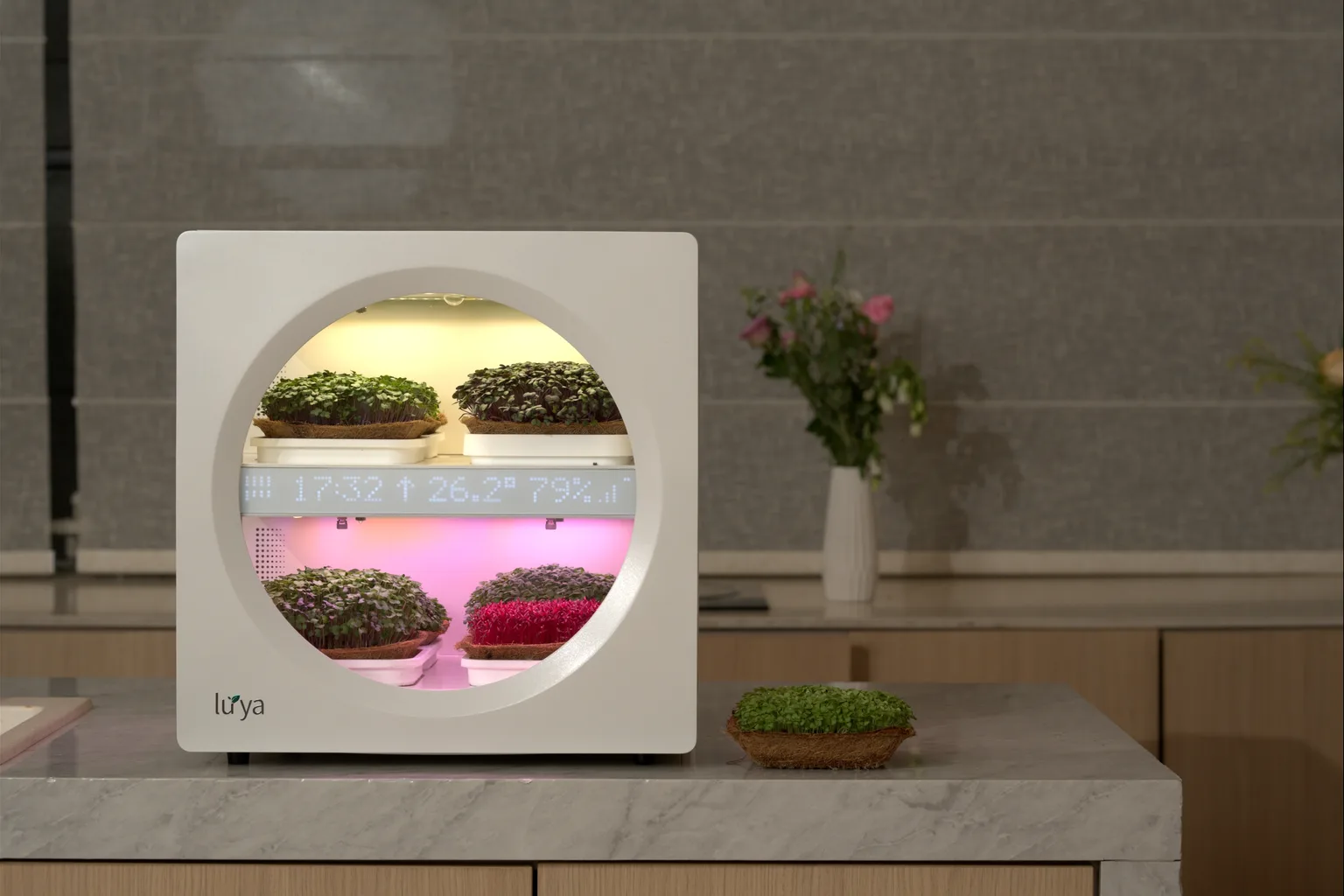
Here's the workflow with the Luya X countertop "food computer," a roughly 17" tall by 20" wide by 15" deep appliance:
- Drop in a tray. Pull a pre-seeded tray from your drawer and slide it into the sealed chamber.
- Let it run. AI closed-loop control manages the grow. Precise thermoelectric (TEC) temperature control both heats and cools, and a multi-channel system automatically doses nutrients across separate A/B/C/D lines.
- Watch it grow. A built-in live camera lets you check in remotely, and the system stitches an automatic time-lapse of each grow. A minimalist dot-matrix LED shows status, and the companion app handles the rest.
- Harvest what you need. After about a 7 to 10 day cycle, you snip only what you'll eat. The rest keeps growing—alive on the counter—so nothing wilts in a fridge drawer.
Because the chamber is sealed, climate-controlled, and ventilated, it keeps mold out by design rather than by your vigilance. That's the whole "like a Nespresso, but for greens" idea: the system absorbs the work, you keep the freshness. And because each tray is shelf-stable for about a year, "starting a grow" is a thirty-second decision, not a shopping trip—you keep a few trays in a drawer the way you'd keep coffee pods in a cupboard.
It's worth being clear about what the appliance does not do. It won't make a worse seed grow better, and it won't speed up biology—a 7 to 10 day broccoli cycle is still a 7 to 10 day cycle. What it removes is the variance: the forgotten watering, the warm afternoon that tips a crowded tray into mold, the guesswork about when to harvest. Consistency, not magic, is the product.
Pre-seeded tray vs. DIY tray vs. store-bought
| Factor | Pre-seeded tray + appliance | DIY soil tray | Store-bought clamshell |
|---|---|---|---|
| Setup effort | Drop in, done | Soak, measure, sow, spread | None |
| Daily maintenance | Automated | Daily watering & monitoring | None |
| Mold risk | Sealed, ventilated chamber | High in poor airflow | N/A |
| Mess | None (no loose soil) | Soil on counters | None |
| Freshness | Harvested seconds before eating | Very fresh | Days old; wilts fast |
| Cost framing | Per serving, at home | Cheap seed, high failure risk | $30–$50/lb |
| Shelf life before use | ~1 year (sealed tray) | Varies by seed | Short once opened |
What You Can Grow—and Why It's Worth It
Pre-seeded trays shine with the crops that are both beginner-friendly and nutrient-dense. Radish is famously fast, germinating in 1 to 2 days and ready to harvest in 5 to 7. Broccoli, pea shoots, and sunflower round out the easy-win lineup.
The nutrition is the reason this is worth the counter space. Peer-reviewed reviews (MDPI Plants) and USDA data put microgreens at roughly 2 to 3.5 times more nutrient-dense than their full-grown counterparts, with radish microgreens often topping the list. They're also rich in vitamins C, K, and E and a range of antioxidants and polyphenols.
Broccoli microgreens are the headline act for sulforaphane—an isothiocyanate that forms when you chew or chop the greens, activating the body's Nrf2 antioxidant pathway. Johns Hopkins research found that young broccoli contains on the order of 10 to 100 times more glucoraphanin (the sulforaphane precursor) than mature heads—though the finished sulforaphane you actually get varies widely by variety, growing conditions, and harvest timing. If that's new to you, what sulforaphane is explains it clearly, and our broccoli microgreens guide goes deeper on the crop itself. Pea shoots, meanwhile, are one of the more protein-dense microgreens and a strong plant-based protein source.
| Crop | Germination | Harvest | Known for |
|---|---|---|---|
| Radish | 1–2 days | 5–7 days | Fast; often most nutrient-dense |
| Broccoli | A few days | ~7–10 days | Sulforaphane content |
| Pea shoots | A few days | ~7–10 days | One of the more protein-dense microgreens |
| Sunflower | A few days | ~7–10 days | Crunchy, mild, beginner-friendly |
The payoff of growing at home isn't just convenience—it's that you eat them at their peak. Microgreens are richest when raw, fresh, and chewed well, so harvesting seconds before they hit your plate is genuinely the best version of the food.
The Bottom Line
A pre-seeded microgreens tray takes the two things that make home growing fail—daily upkeep and inconsistency—and engineers them out. Pair it with a sealed, automated appliance and you get the freshness of homegrown greens with the effort of brewing a cup of coffee. No soil on the counter, no fuzzy trays, no $5 clamshells wilting in the fridge.
If that sounds like the kind of habit you'd actually keep, see how Luya works and the tray-based system in action. And if you're curious which greens to start with, our guide to the easiest microgreens to grow is the perfect next step.
References
- Fahey JW, Zhang Y, Talalay P. Broccoli sprouts: an exceptionally rich source of inducers of enzymes that protect against chemical carcinogens. PNAS. 1997;94(19):10367–10372. https://doi.org/10.1073/pnas.94.19.10367
- Xiao Z, Lester GE, Luo Y, Wang Q. Assessment of Vitamin and Carotenoid Concentrations of Emerging Food Products: Edible Microgreens. J Agric Food Chem. 2012;60(31):7644–7651. https://doi.org/10.1021/jf300459b