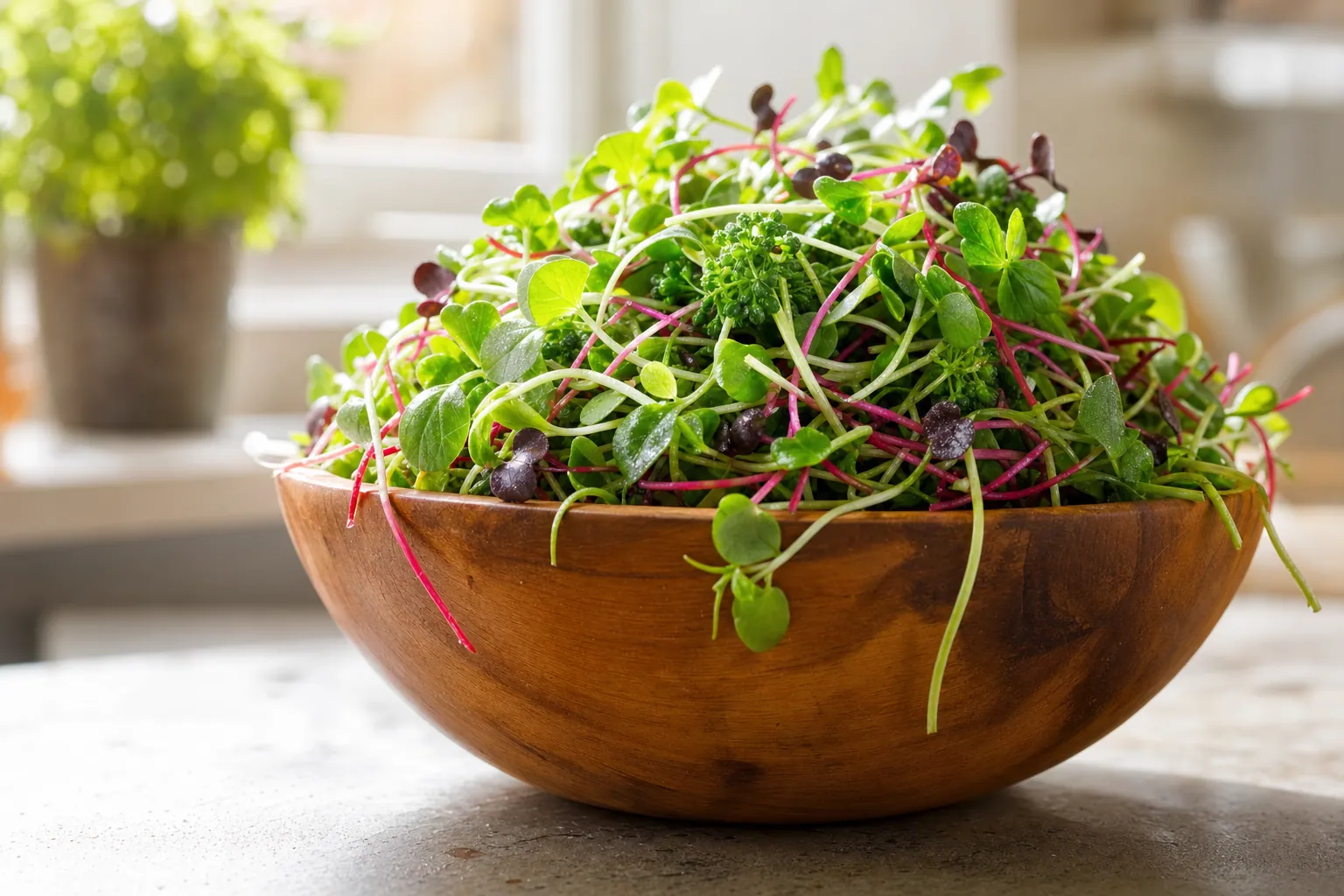
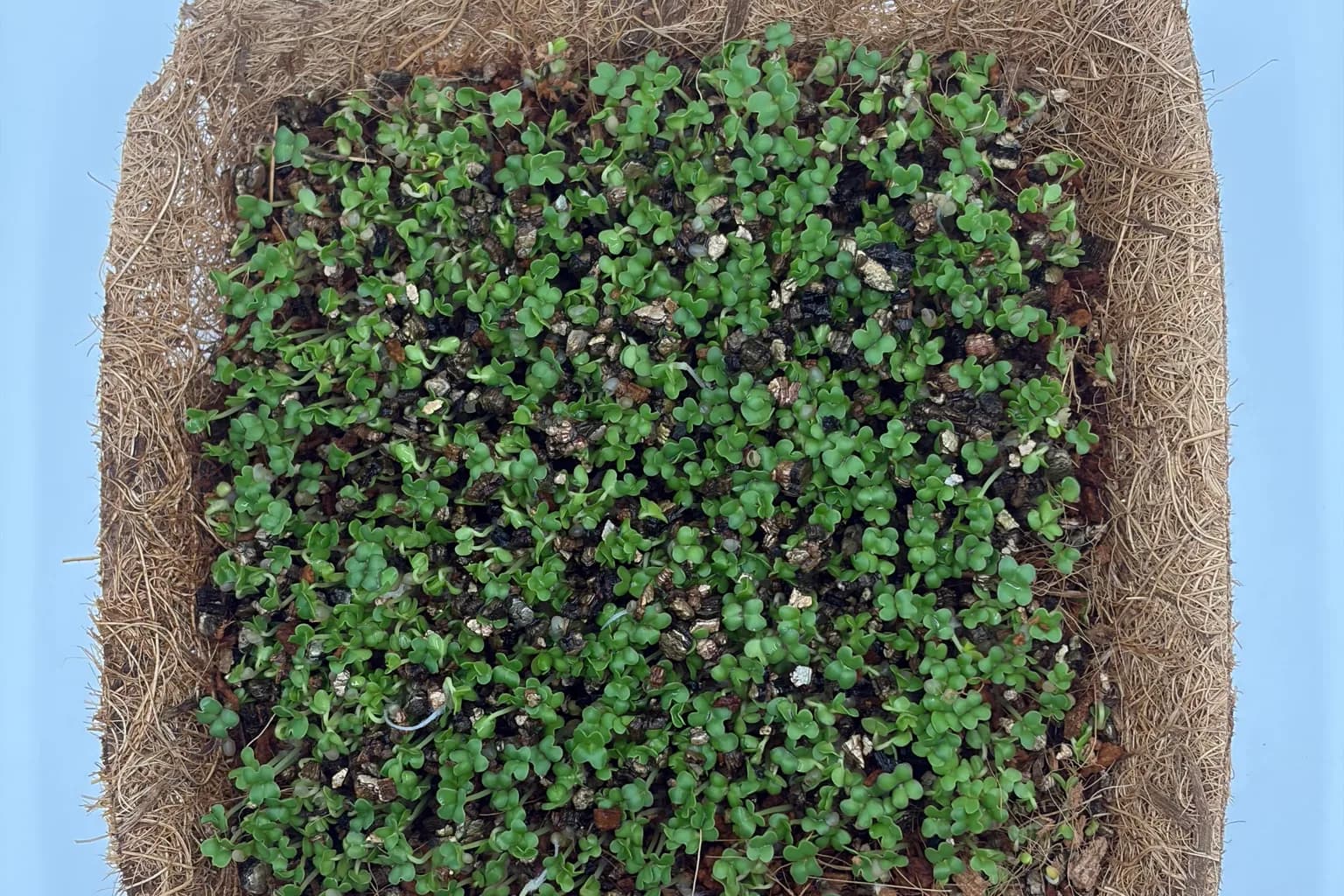
Microgreens and Weight: What the Mouse Studies Actually Found
Broccoli microgreens have been fed to mice on high-fat diets, and the results were real. Here is what those studies measured, at what dose, and why that is not a diet plan.
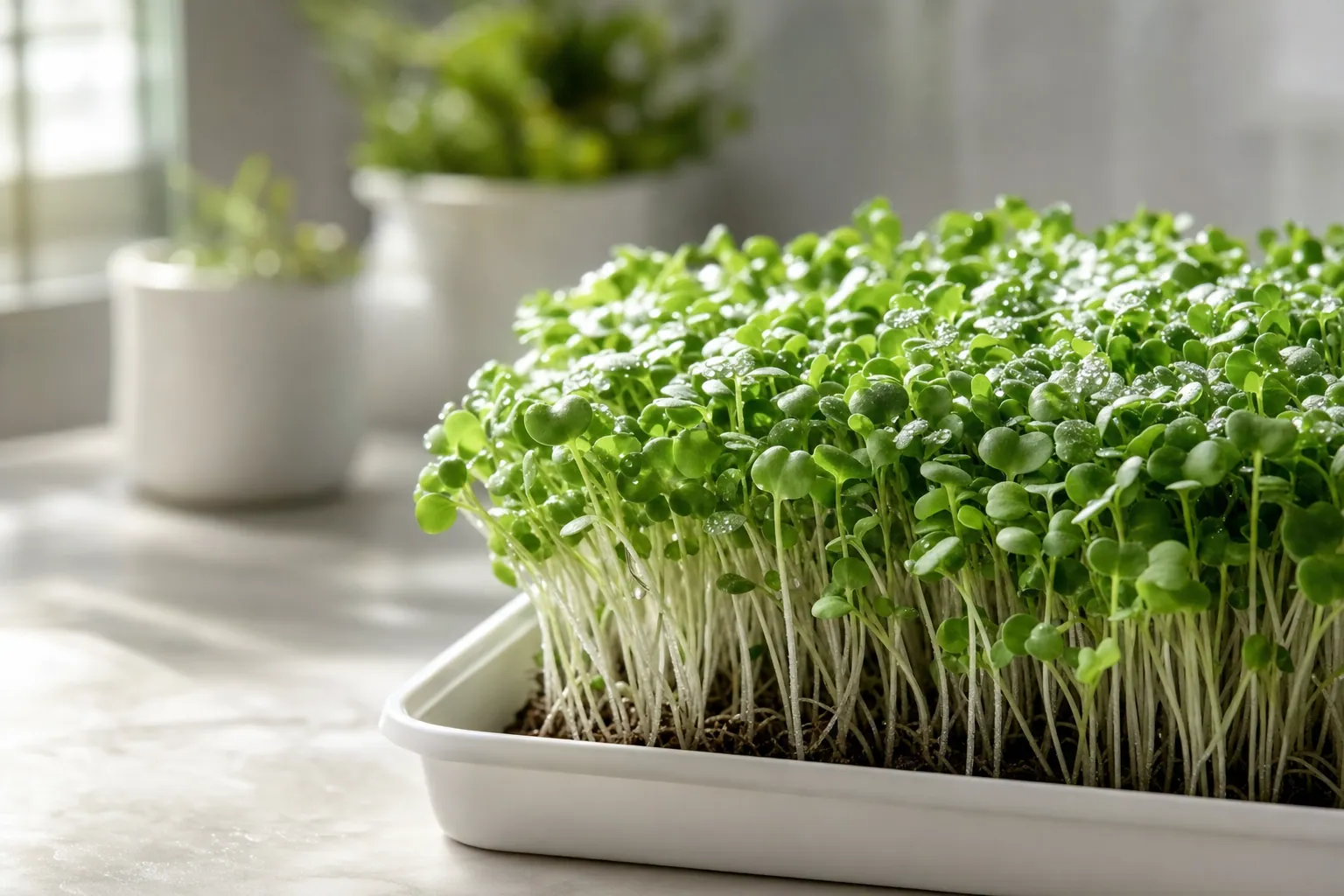
The crop most of the sulforaphane research is about, and the one most people start with.

Broccoli microgreens have been fed to mice on high-fat diets, and the results were real. Here is what those studies measured, at what dose, and why that is not a diet plan.

Broccoli, radish, sunflower or pea — which microgreens actually have evidence behind them for blood sugar? A crop-by-crop look at what has been measured, and what has not.

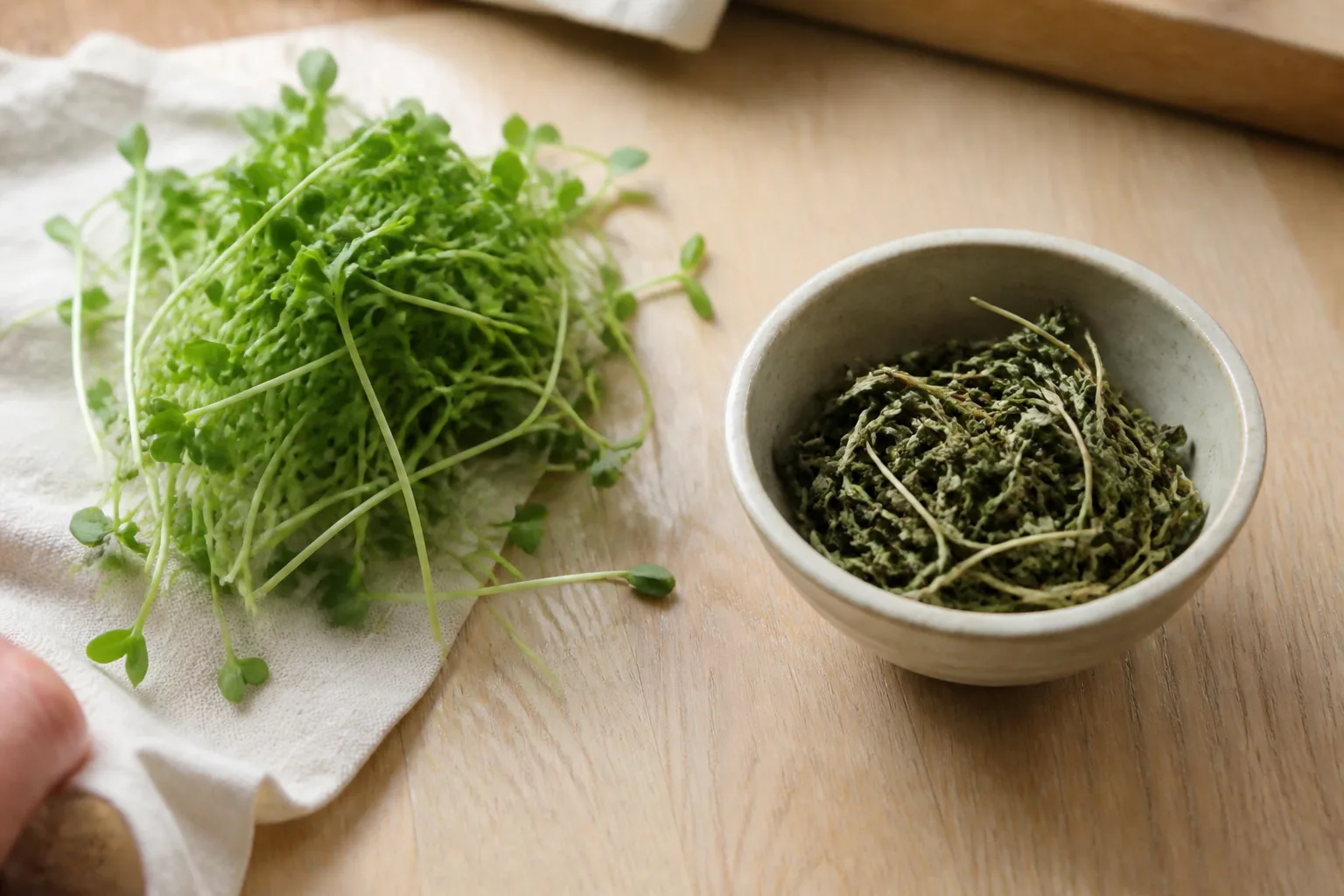
Freeze-drying preserved the most pigment and phenolics. Microwave and air-fryer drying changed which compounds survived rather than how many. Across both studies, fresh scored highest on activity.

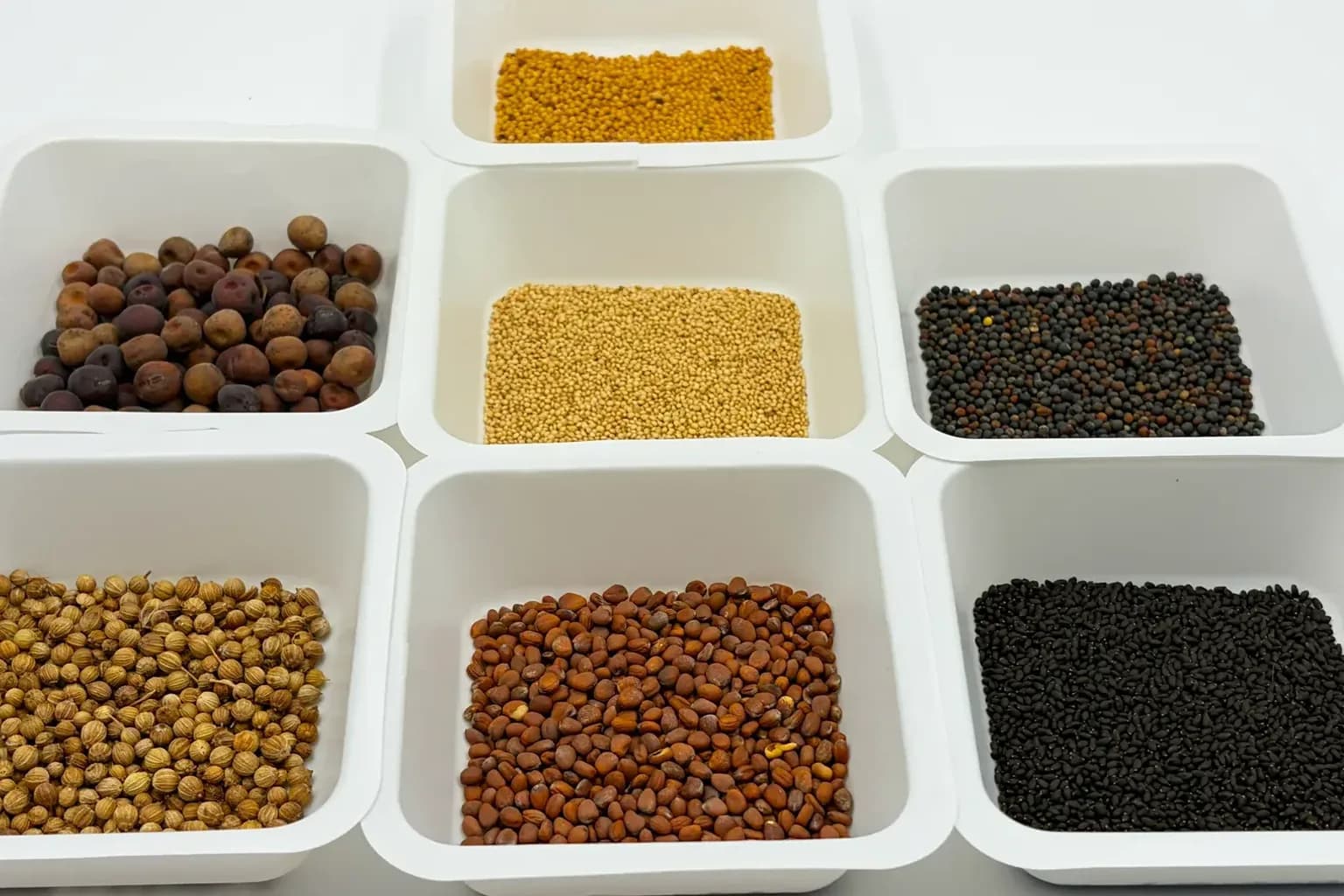
A practical guide to microgreen seed density: how many grams to sow per 10x20 tray for each crop, plus what happens when you sow too thick or too thin.

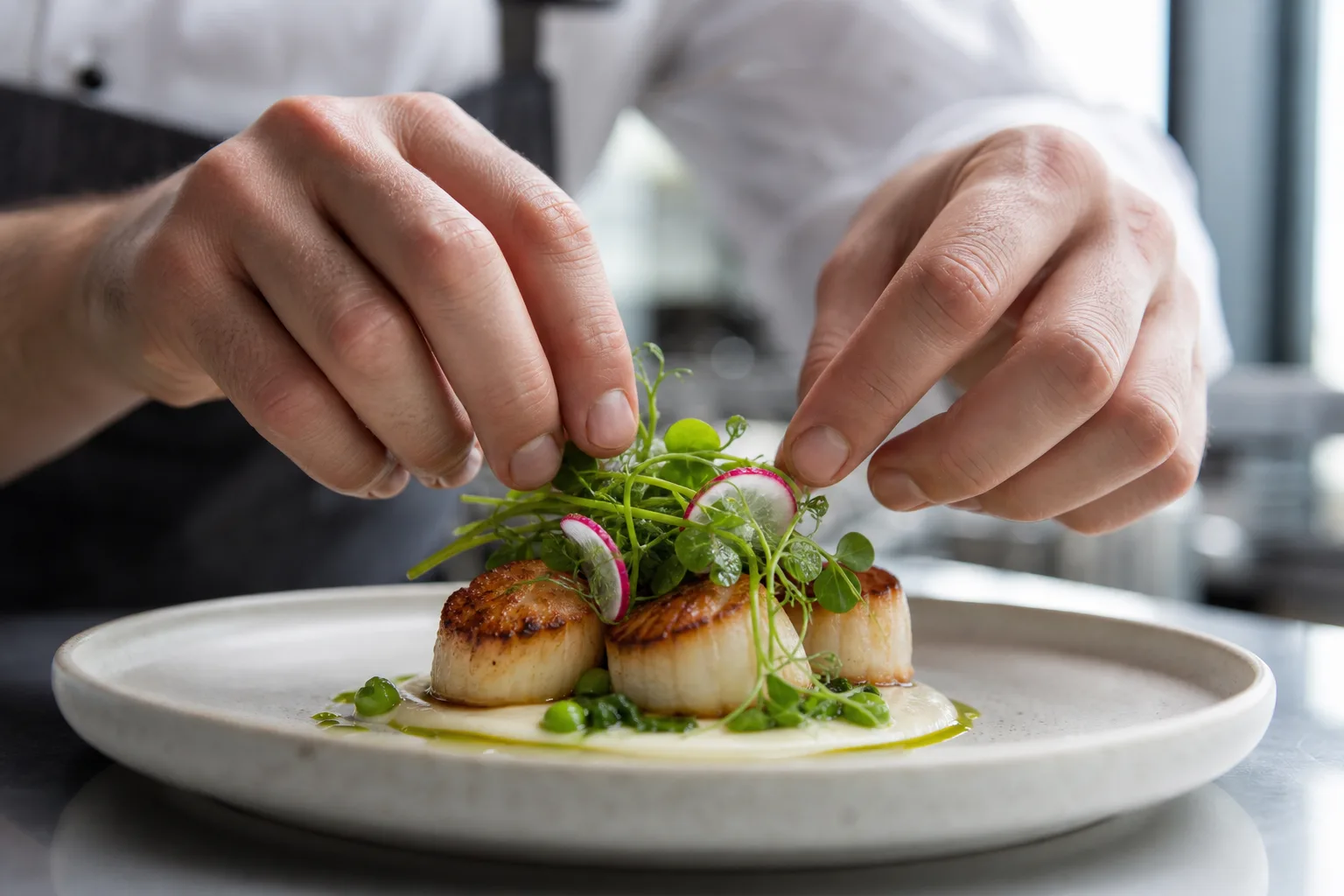
Learn how to garnish with microgreens like a chef: height, color contrast, restraint, and freshness techniques that make a plate look restaurant-worthy.

Secondary metabolites in microgreens, explained: what glucosinolates, phenolics, carotenoids, and vitamins are, why they matter, and how light changes them.
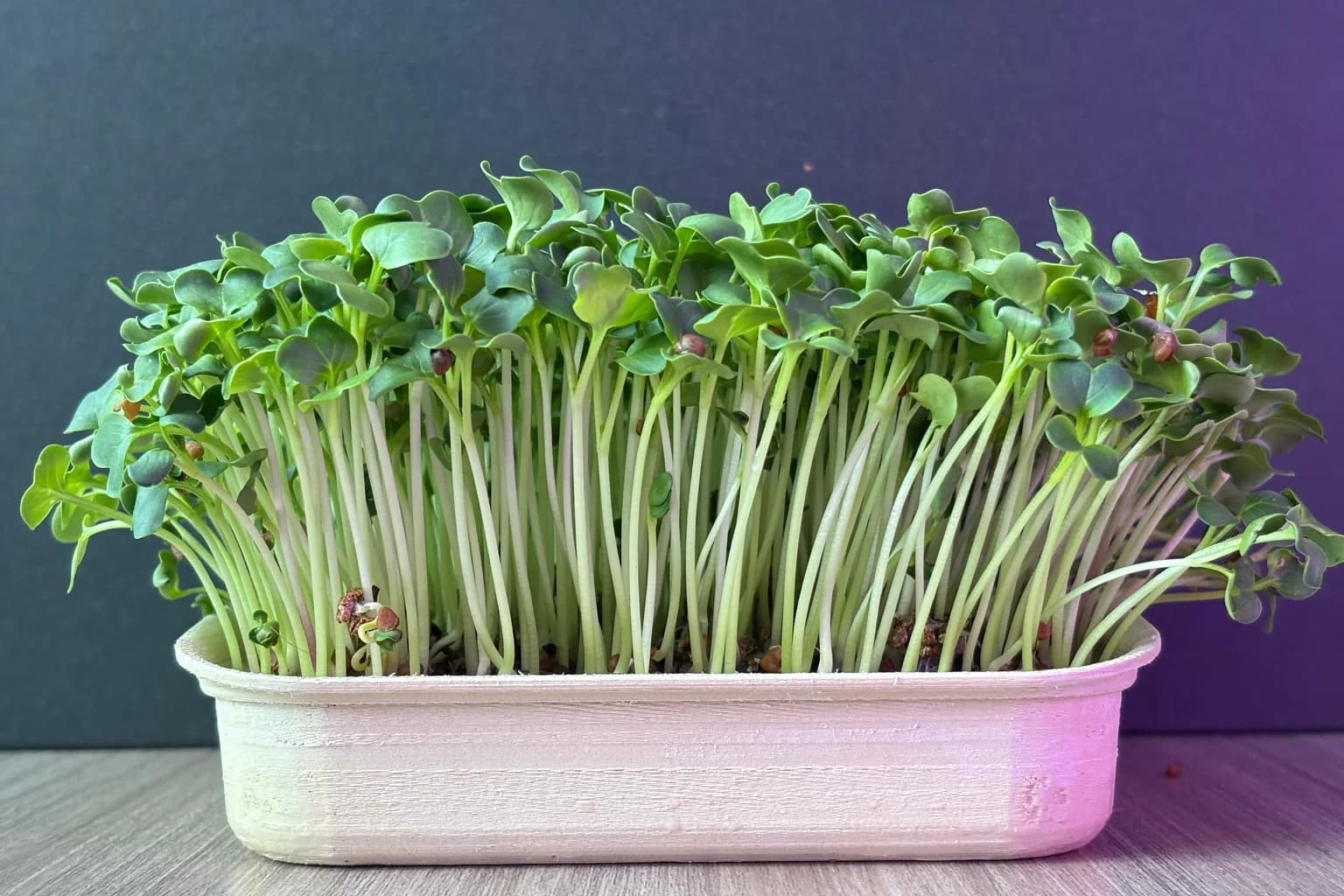
Cooking with microgreens? Heat wilts delicate leaves and degrades some nutrients. Here's how to add them at the right moment and which crops handle warmth.

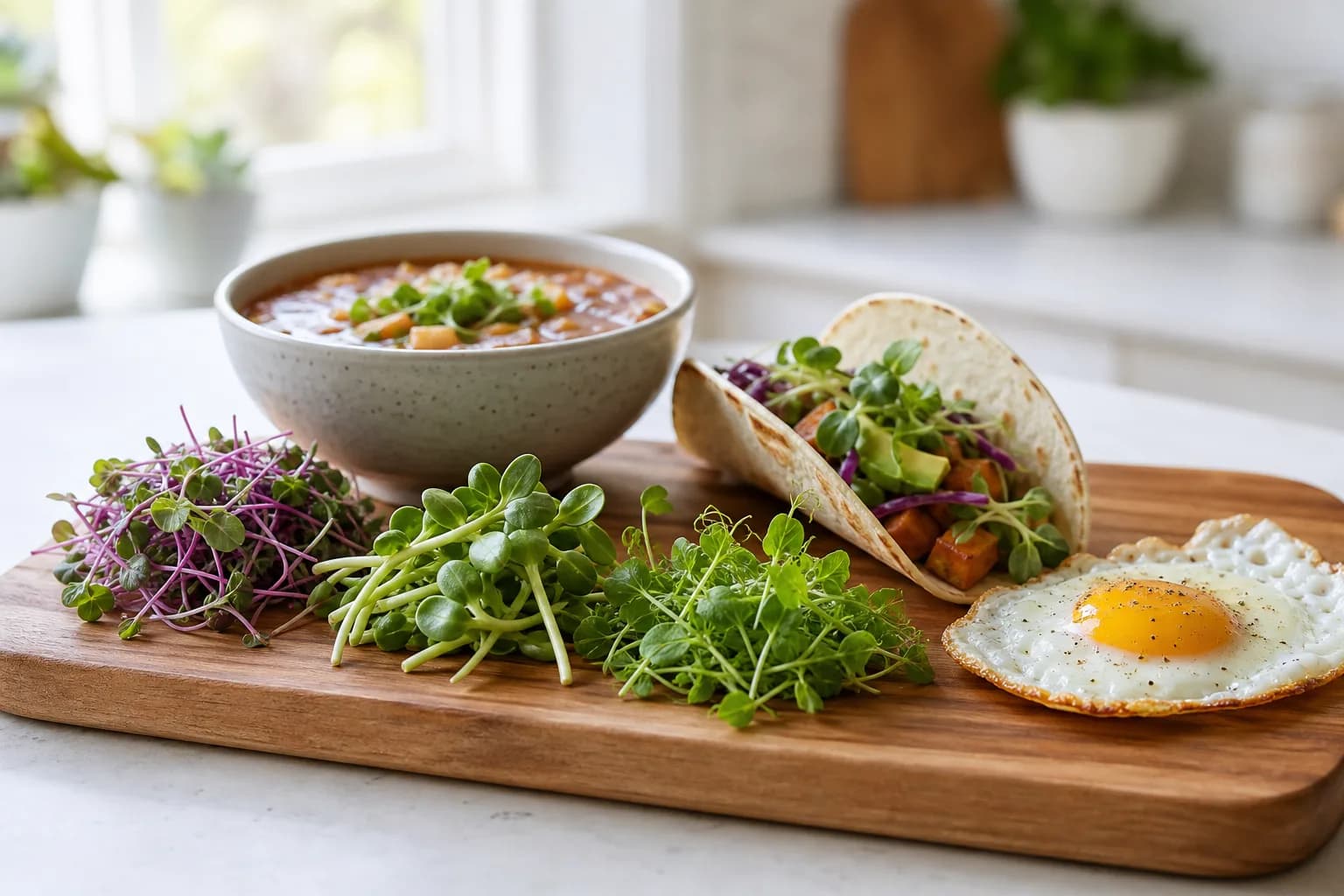
A practical microgreens flavor pairing guide: which tiny greens belong on eggs, tacos, soup, fish, sandwiches, and salads, with a quick-reference chart.
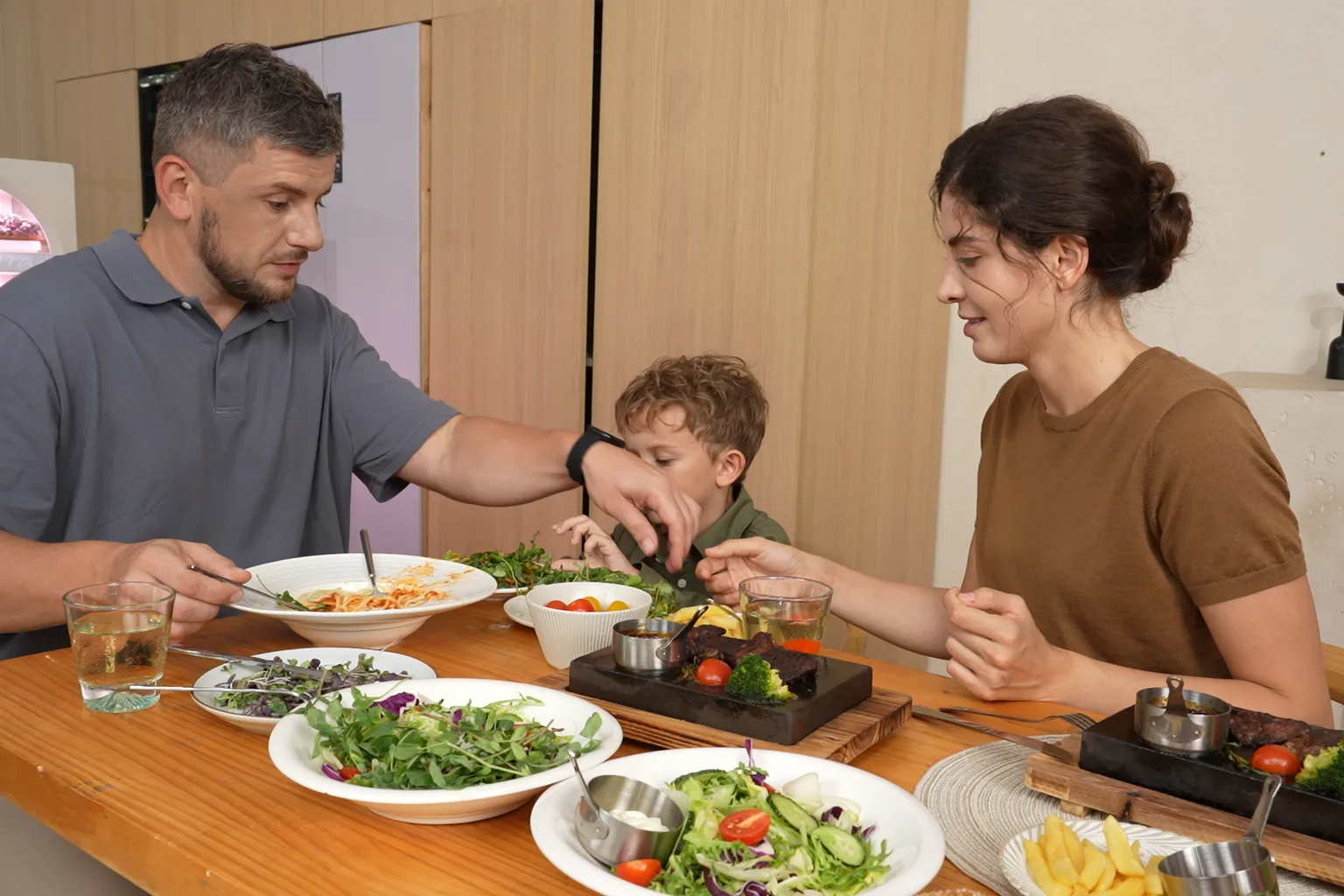
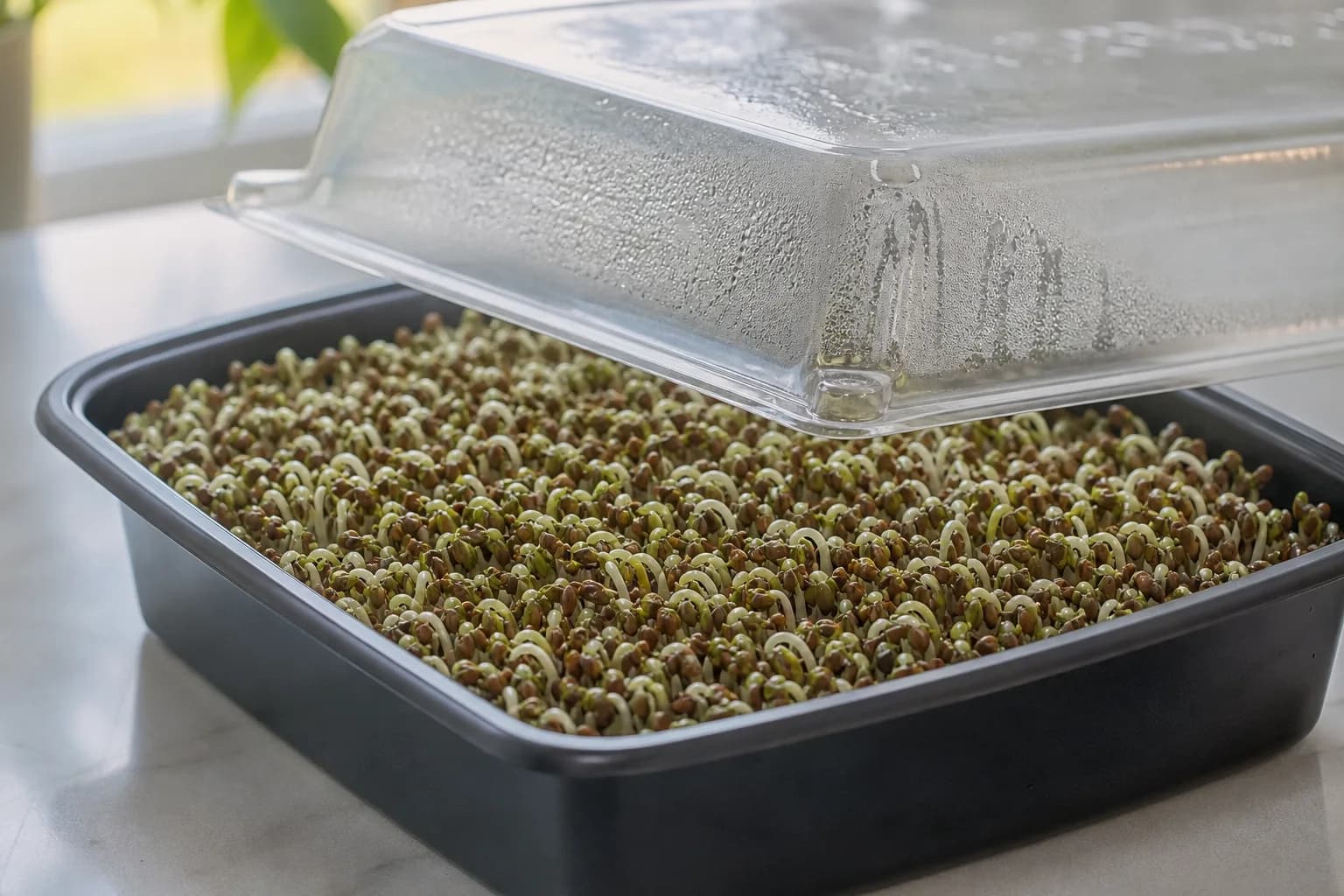
The blackout method is the simplest way to get even, sturdy microgreen germination. Learn soaking, doming, weighting, and exactly when to uncover.

The microgreen texture guide: what makes greens crunchy or tender, how to match texture to dishes, and how to avoid slimy, watery results every time.

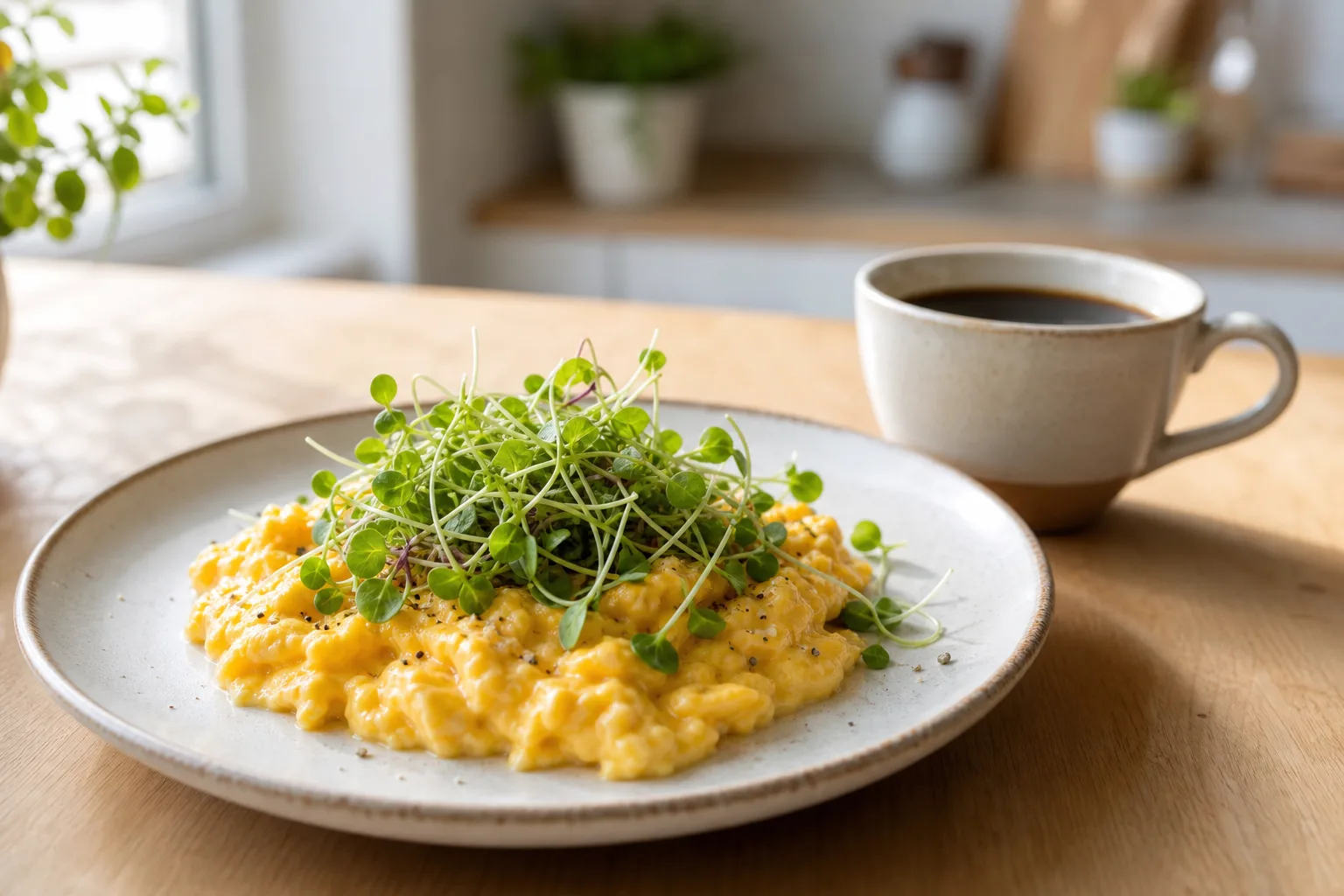
Microgreens for breakfast made simple: how to add them to scrambles, omelets, frittatas and bowls without losing flavor or nutrients. Quick, practical tips.

Learn how to maximize microgreen yield per tray with the right seed density, even watering, smart lighting, and harvest timing for heavier, healthier crops.

Wondering why your microgreens taste bitter? Here are the real causes, from glucosinolates to harvest timing, plus simple fixes for sweeter, milder greens.

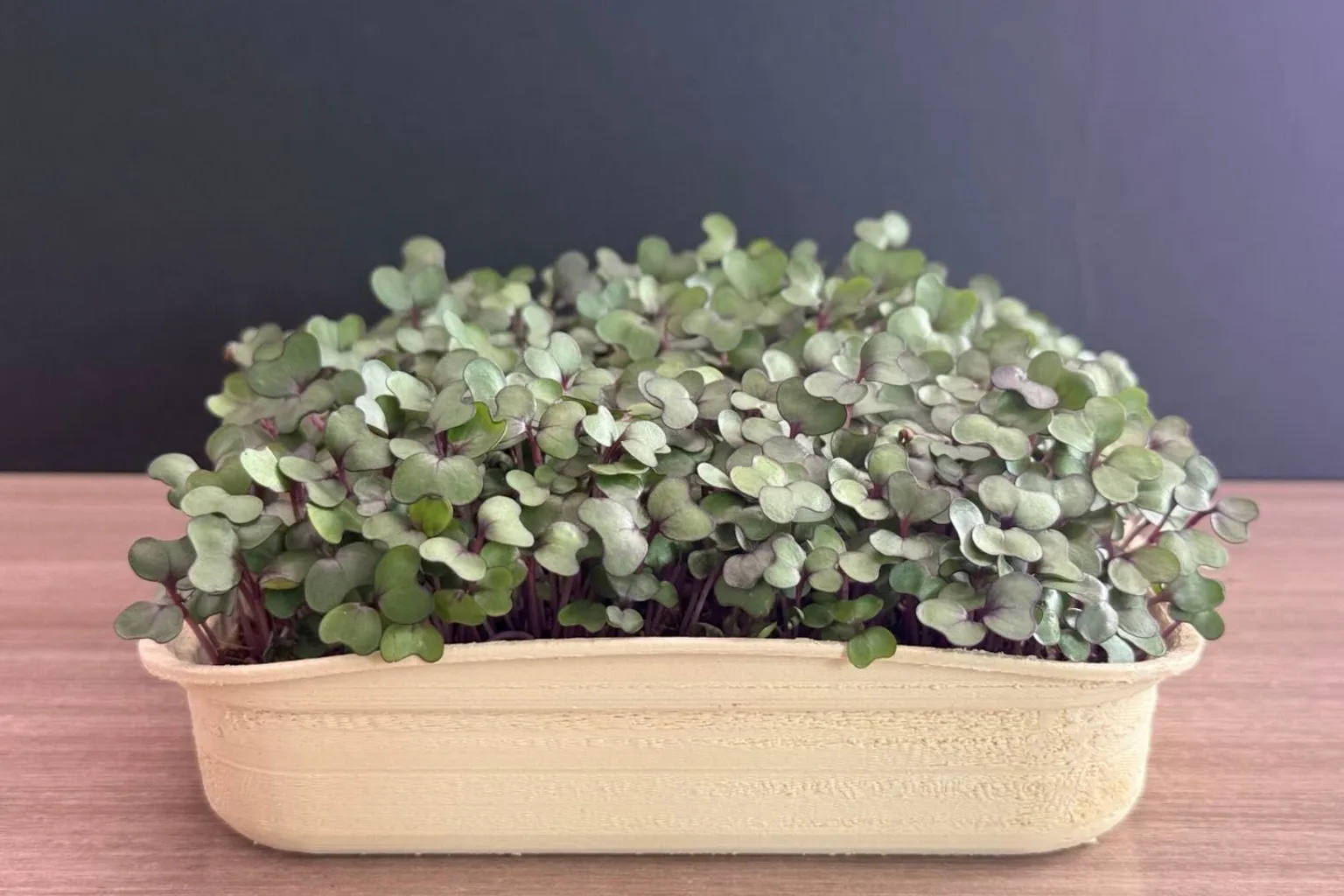
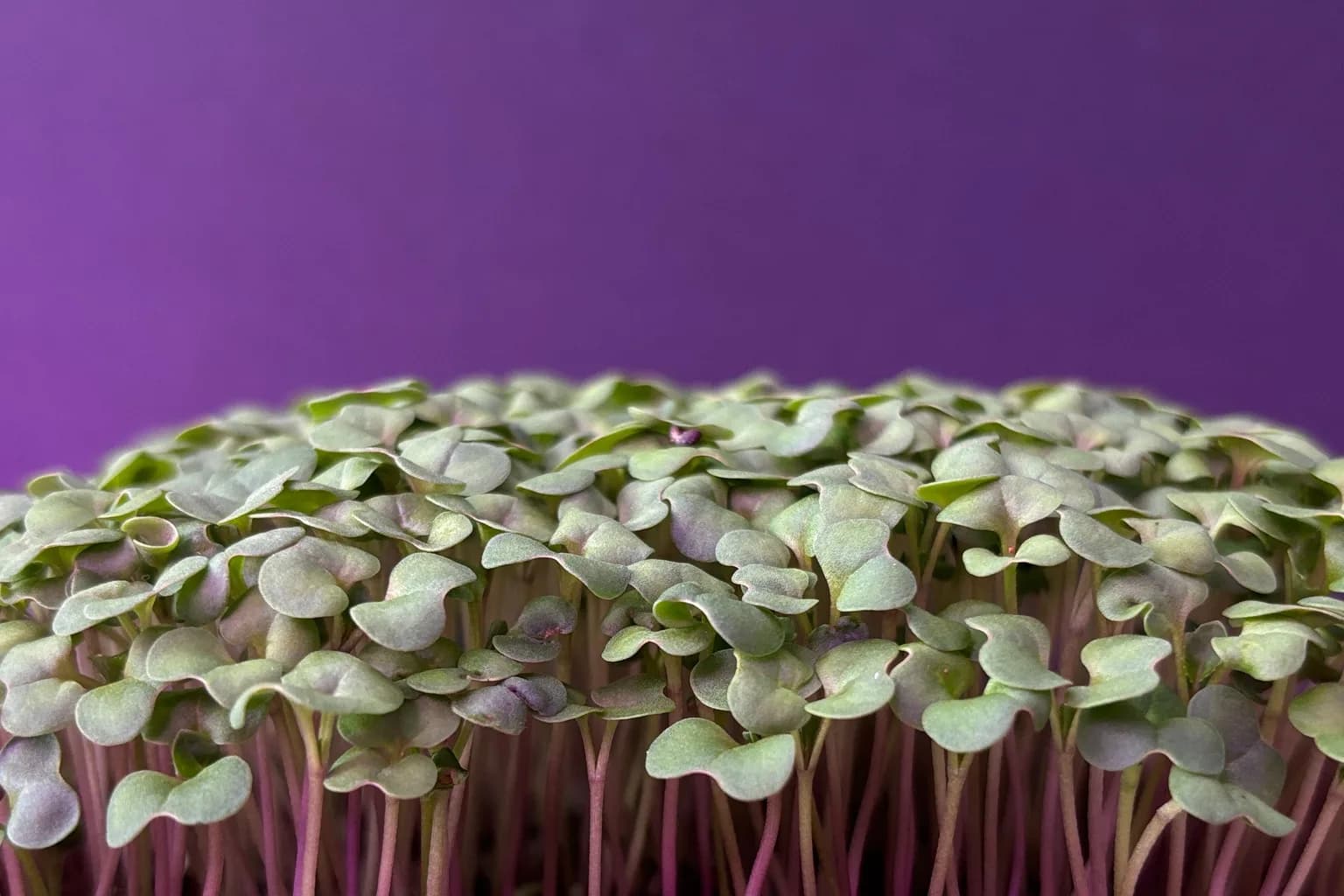
Cabbage microgreens deliver gentle flavor, red-cabbage anthocyanins, and brassica nutrition in days. Learn their benefits, flavor, and how to grow them.

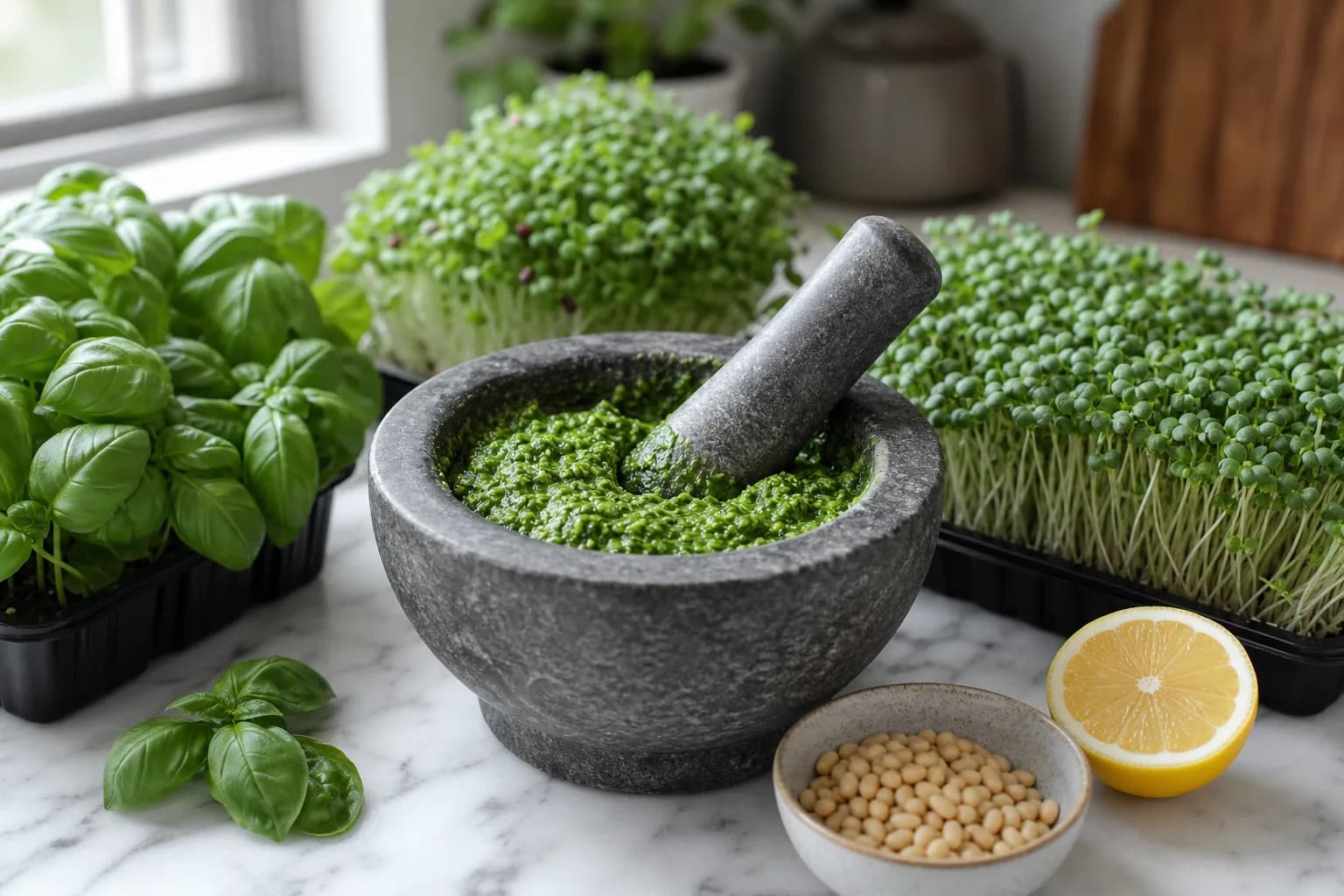
Make microgreen pesto and quick green sauces at home with simple ratios, the best crops to use, and an original recipe you can blend in five minutes.

Do microgreens need nutrients or fertilizer? The honest answer: the seed feeds itself, but a dilute solution boosts size, color, and harvest speed.

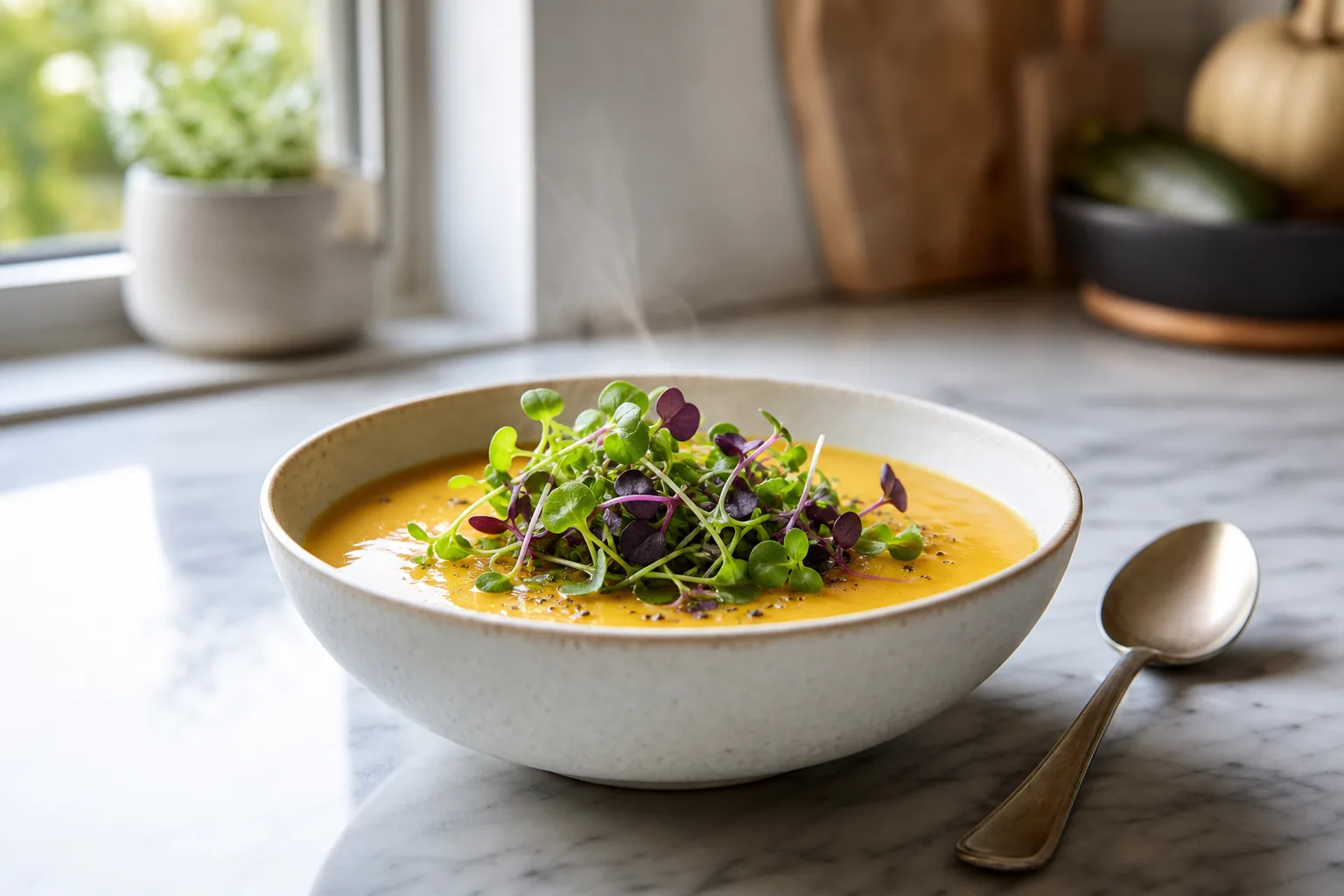
A practical guide to finishing soups with microgreens: when to add them, which greens suit which bowls, and how to keep their nutrients and crunch intact.

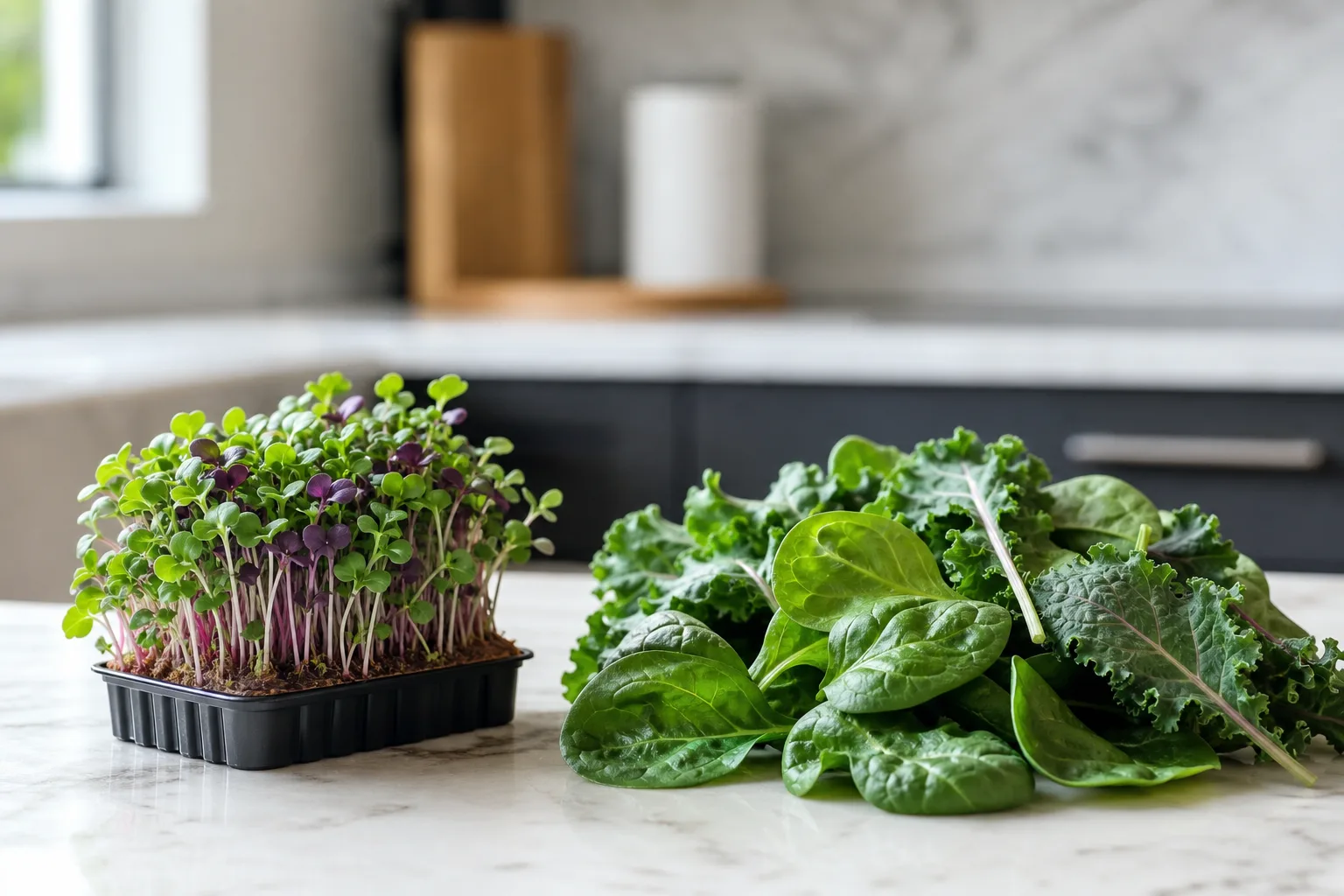
Microgreens vs baby greens: how flavor intensity, tenderness, and bitterness differ between the two, plus when to reach for each in real cooking.

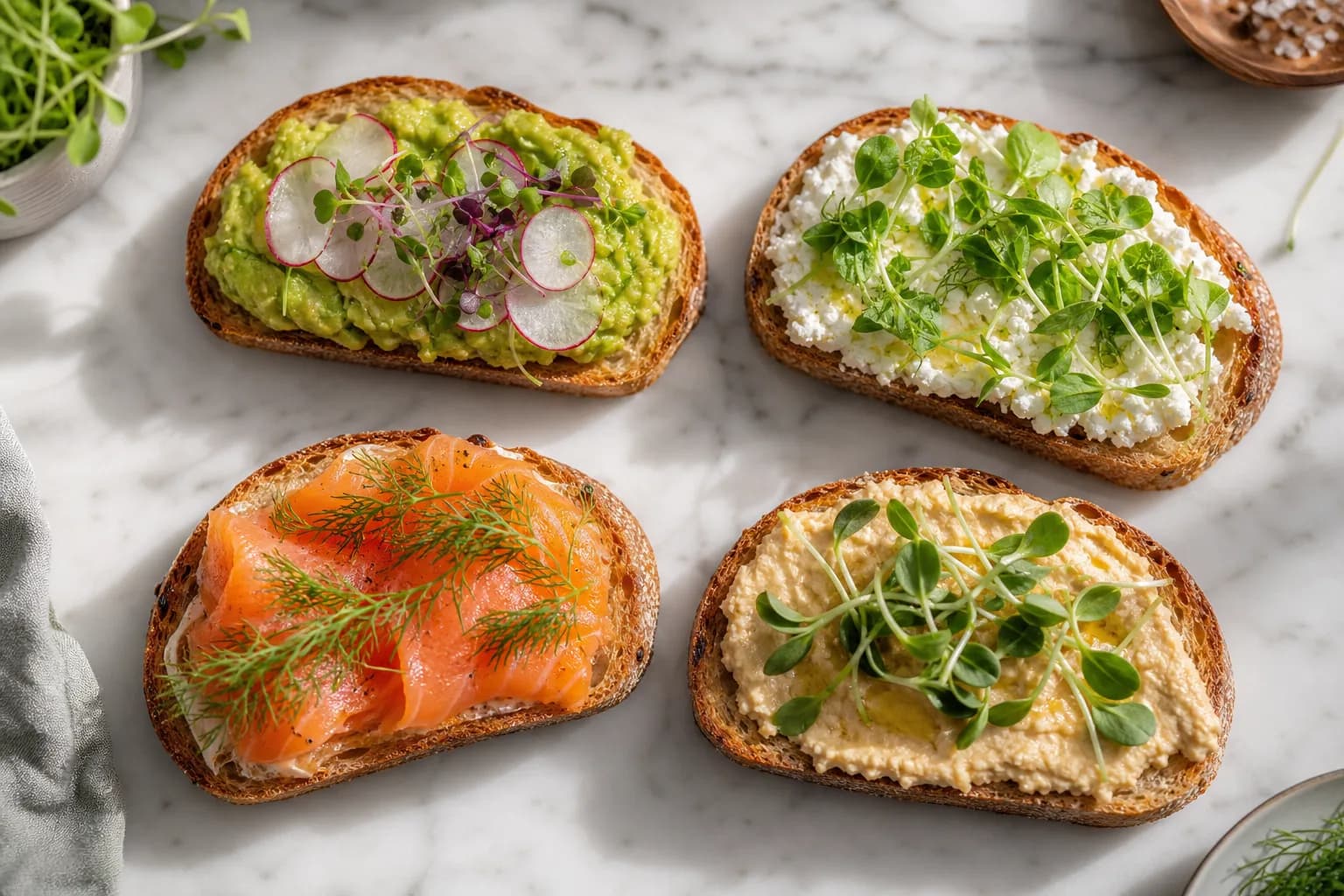
Tired of plain avocado toast? Here are five microgreens on toast combos — ricotta, egg, smoked salmon, hummus — with the right greens for each.

15 savory ways to eat microgreens every day: toast, eggs, soups, tacos, pasta, pizza and more, with a flavor-pairing table to make every handful count.

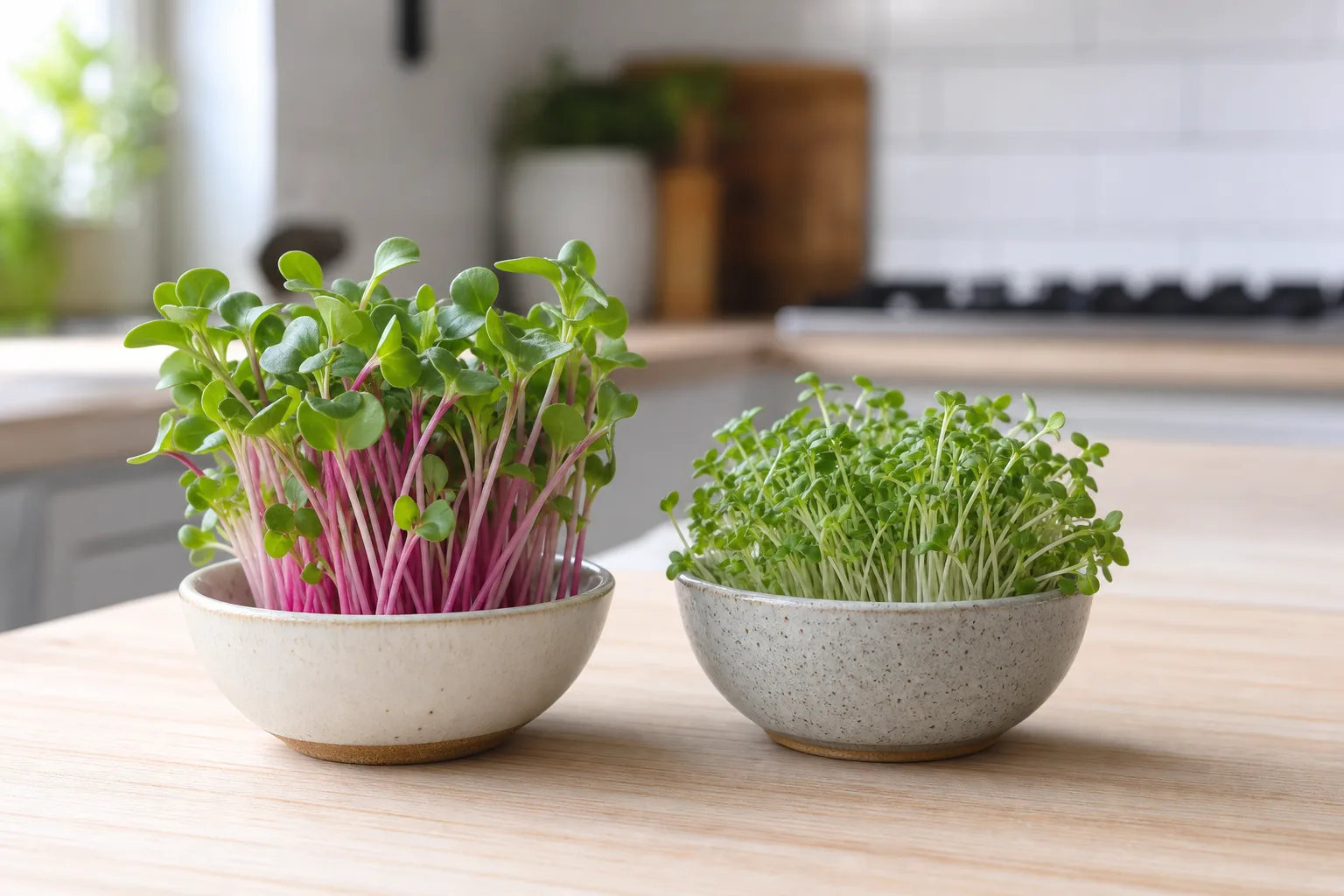
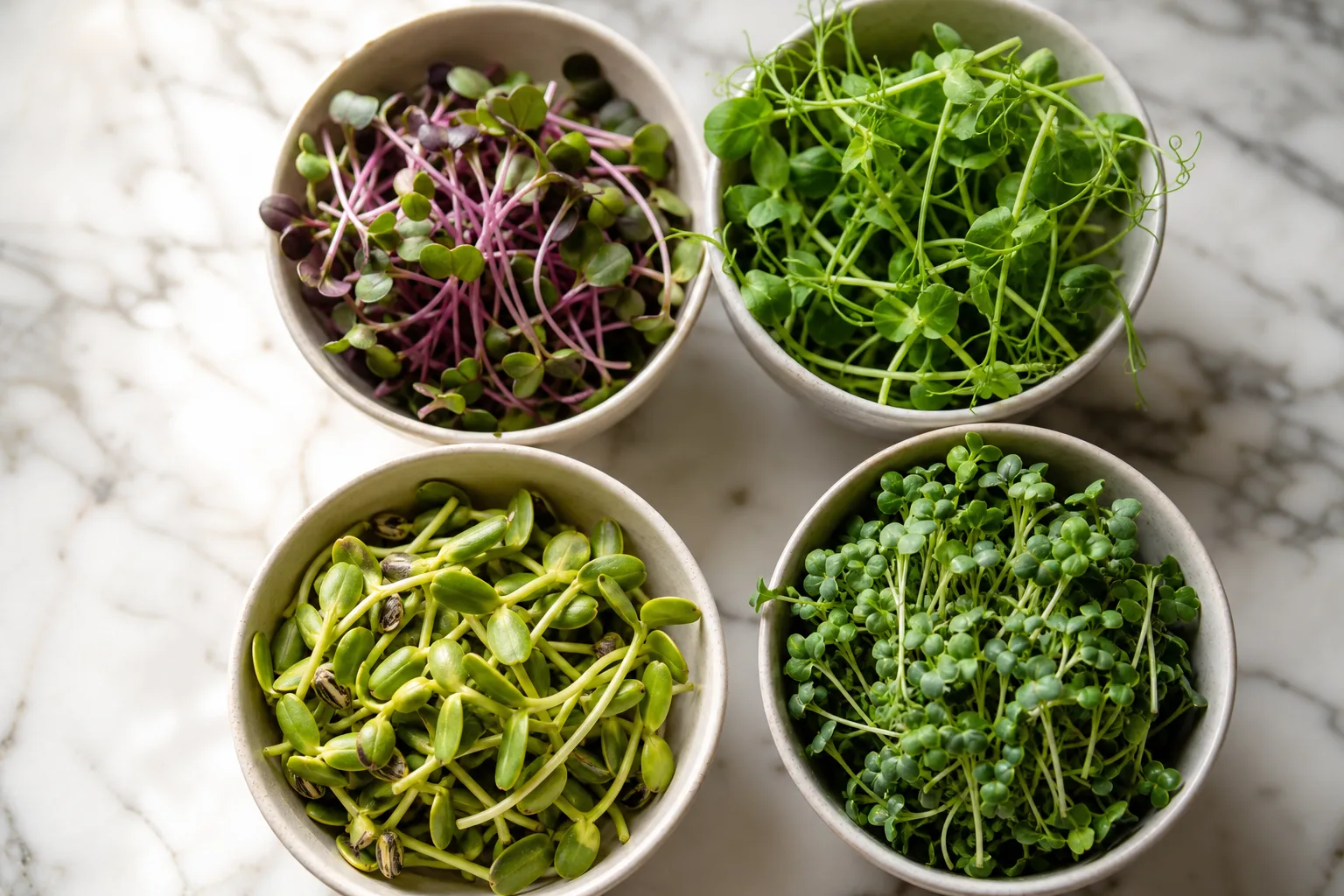
The 4 flavor profiles of microgreens explained: spicy, fresh-green, nutty-sweet, and mild. Learn how each tastes and how to choose the right one for any dish.

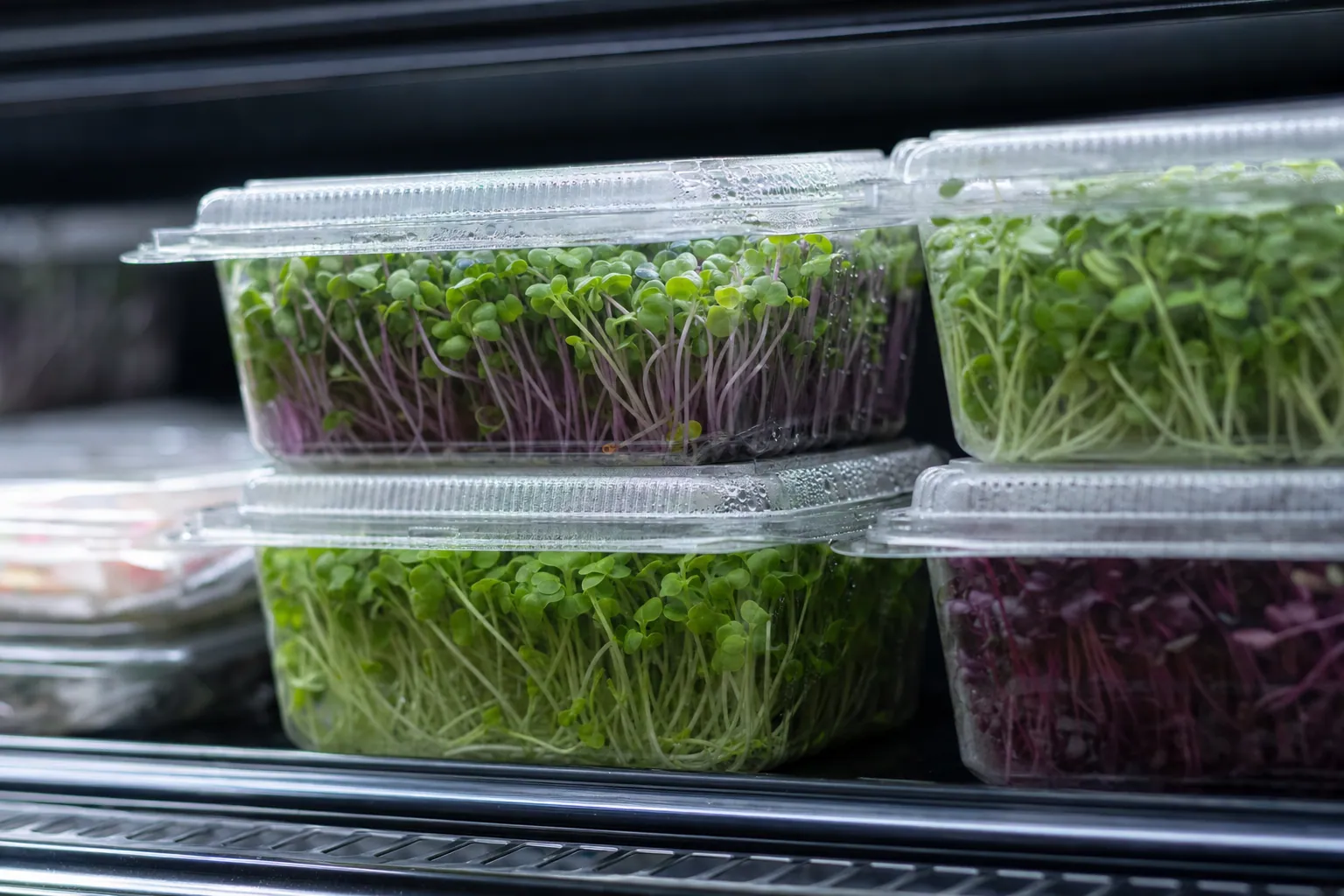
Are store-bought microgreens fresh? We trace the supply chain, shelf life, and nutrient loss to help you buy smarter and waste less.

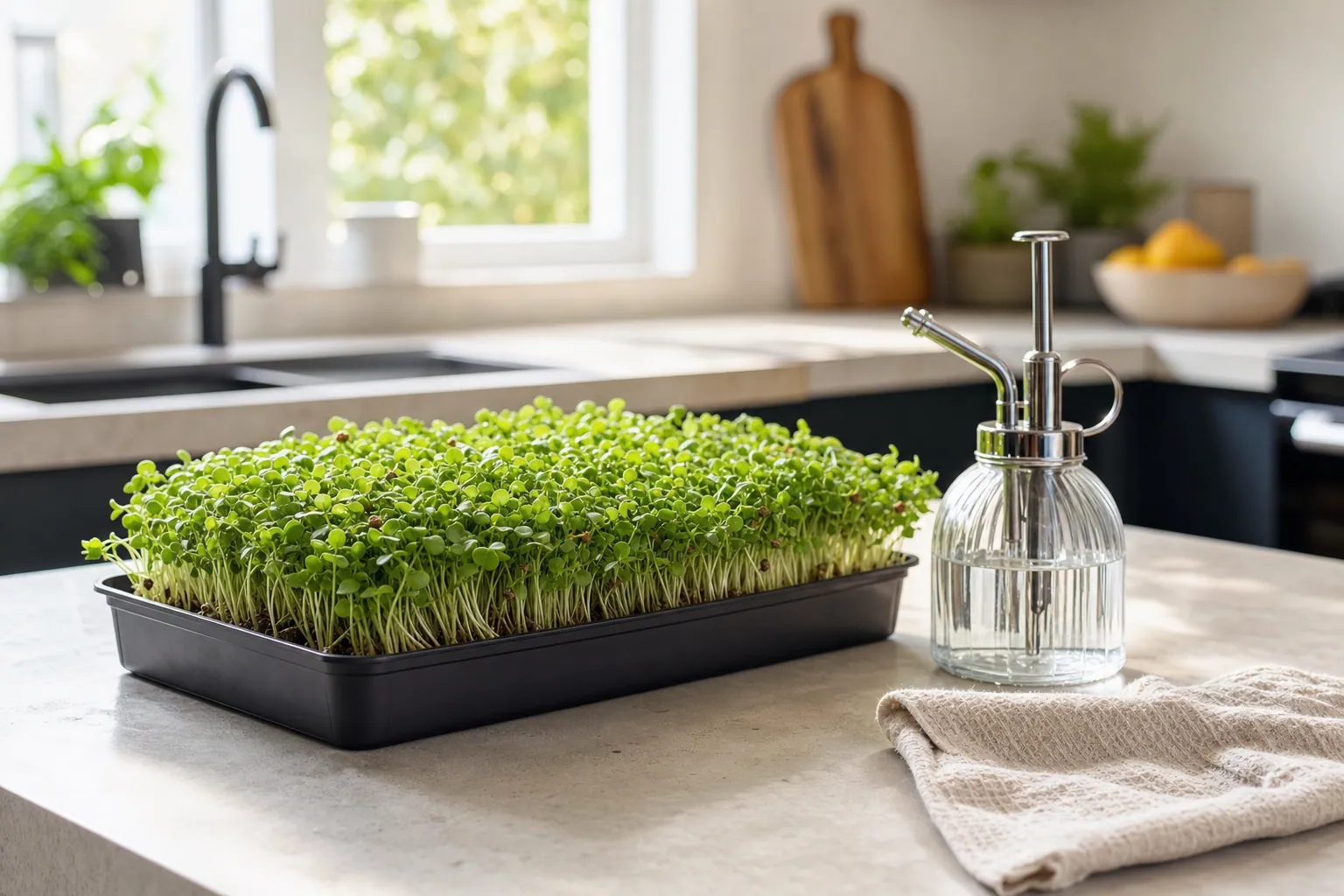
Fresh microgreens at home beat store clamshells on cost, nutrition, and flavor. What to grow, what goes wrong, and how to skip the chores.

The future of home farming is small, smart, and on your counter. How AI and vertical growing bring fresh, nutrient-dense greens to your kitchen.

Growing microgreens maintenance got you down? Real fixes for the mess, the mold, and the daily chores that quietly kill home trays.

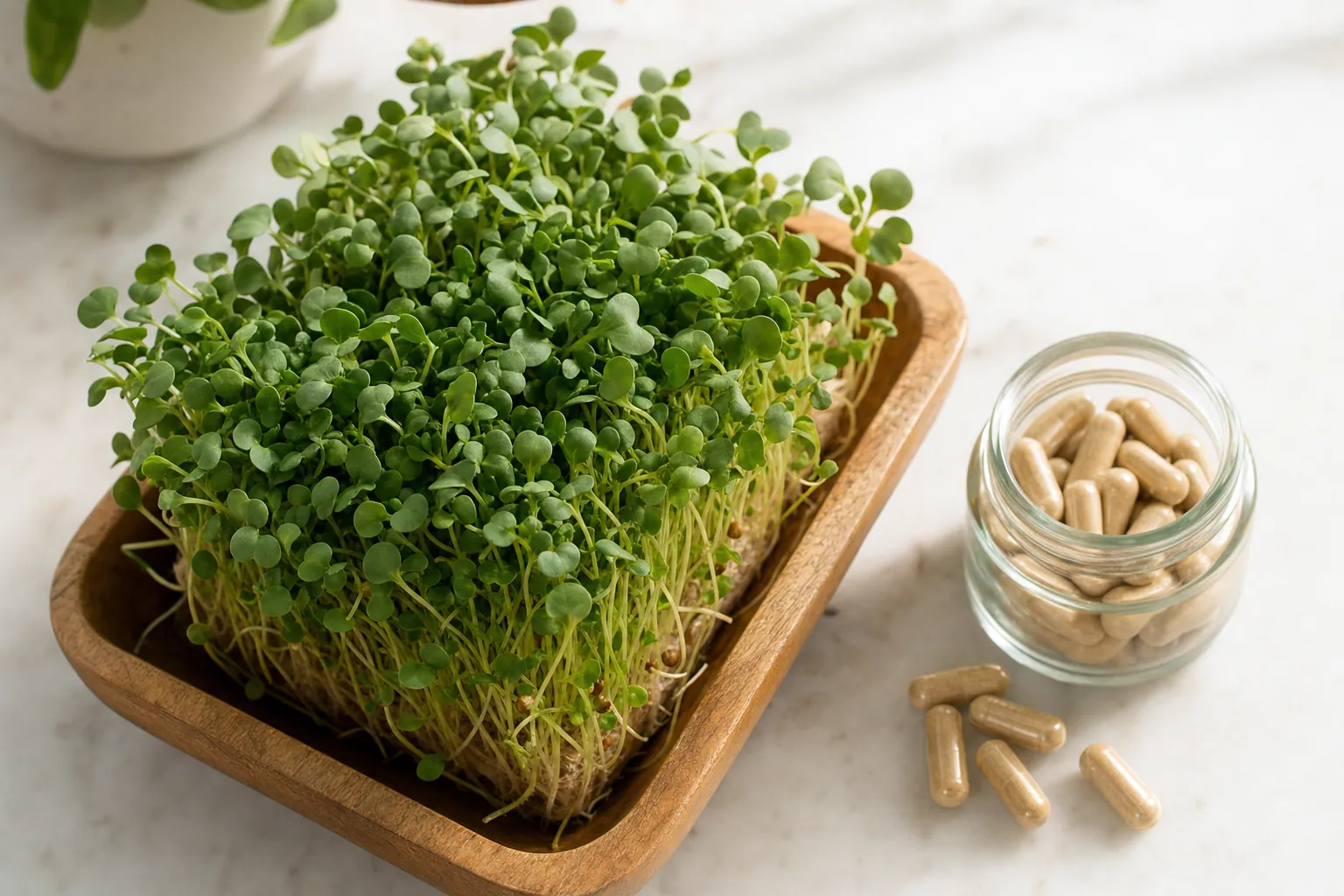
Sulforaphane supplement vs microgreens: which delivers more usable compound? A clear, science-based breakdown for biohackers.

Microgreens iron facts for vegans: how nutrient-dense greens fit a plant-based diet, which crops to grow, and how to absorb more iron.

Learn how to maximize sulforaphane from broccoli microgreens with simple prep, timing, and freshness tactics any biohacker can use daily.

Microgreens vegan diet ideas you can use daily — easy ways to add protein, vitamins, and antioxidants to plant-based meals without extra effort.

Kale microgreens pack vitamins C, K, and E into tiny greens. Learn their benefits and how to grow them at home.

Microgreens vs sprouts vs mature vegetables: how they grow, how they compare on nutrition and food safety, and which one is right for you.

Microgreens inflammation science explained: how cruciferous greens like broccoli make sulforaphane, and what the research really shows.

Learn how to grow microgreens without soil at home using simple hydroponic mats, clean methods, and beginner-friendly crops for fresh greens.

A pre-seeded microgreens tray turns home growing into a drop-in habit—no soil, no mess, no daily fuss. Here's how it works and why it matters.

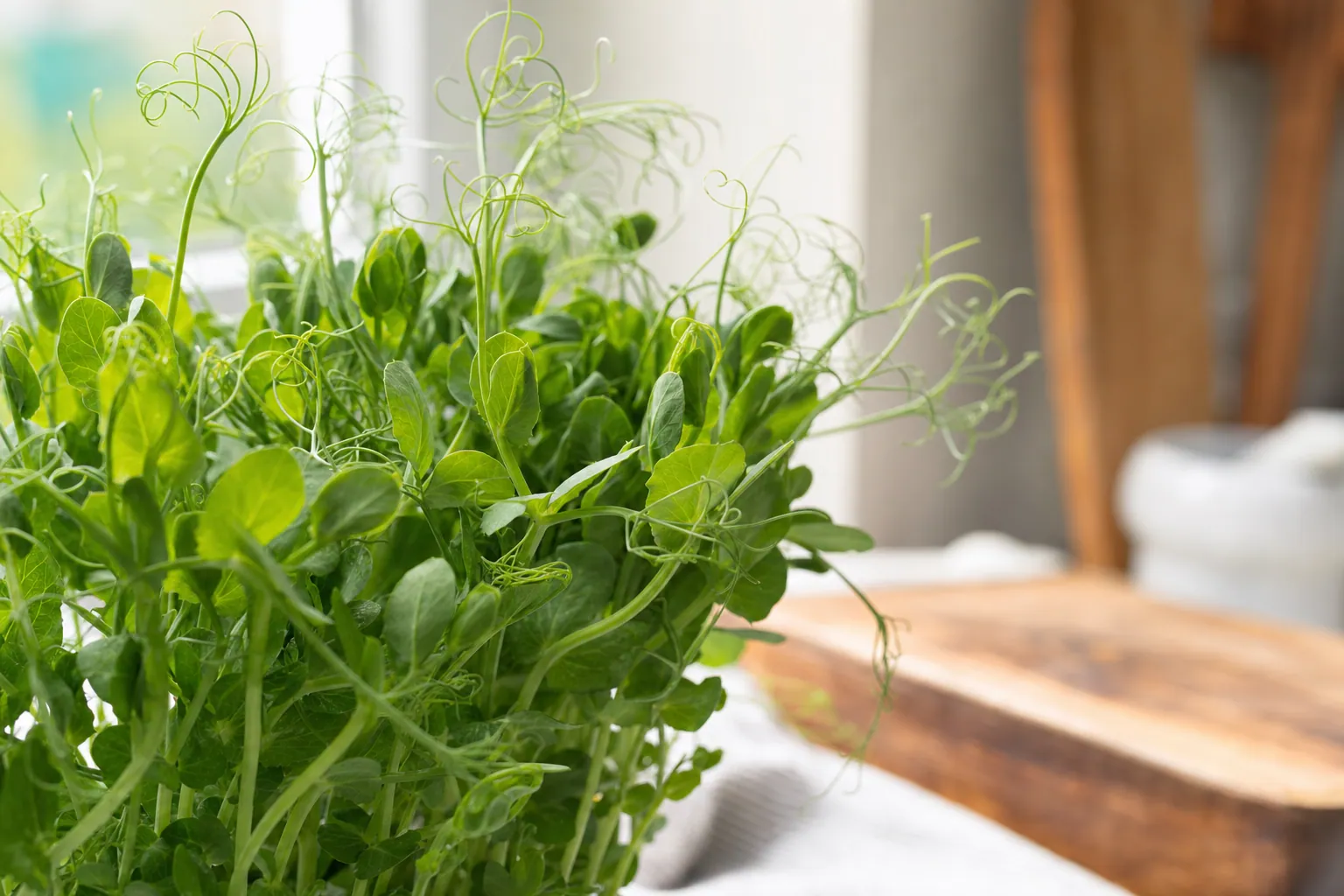
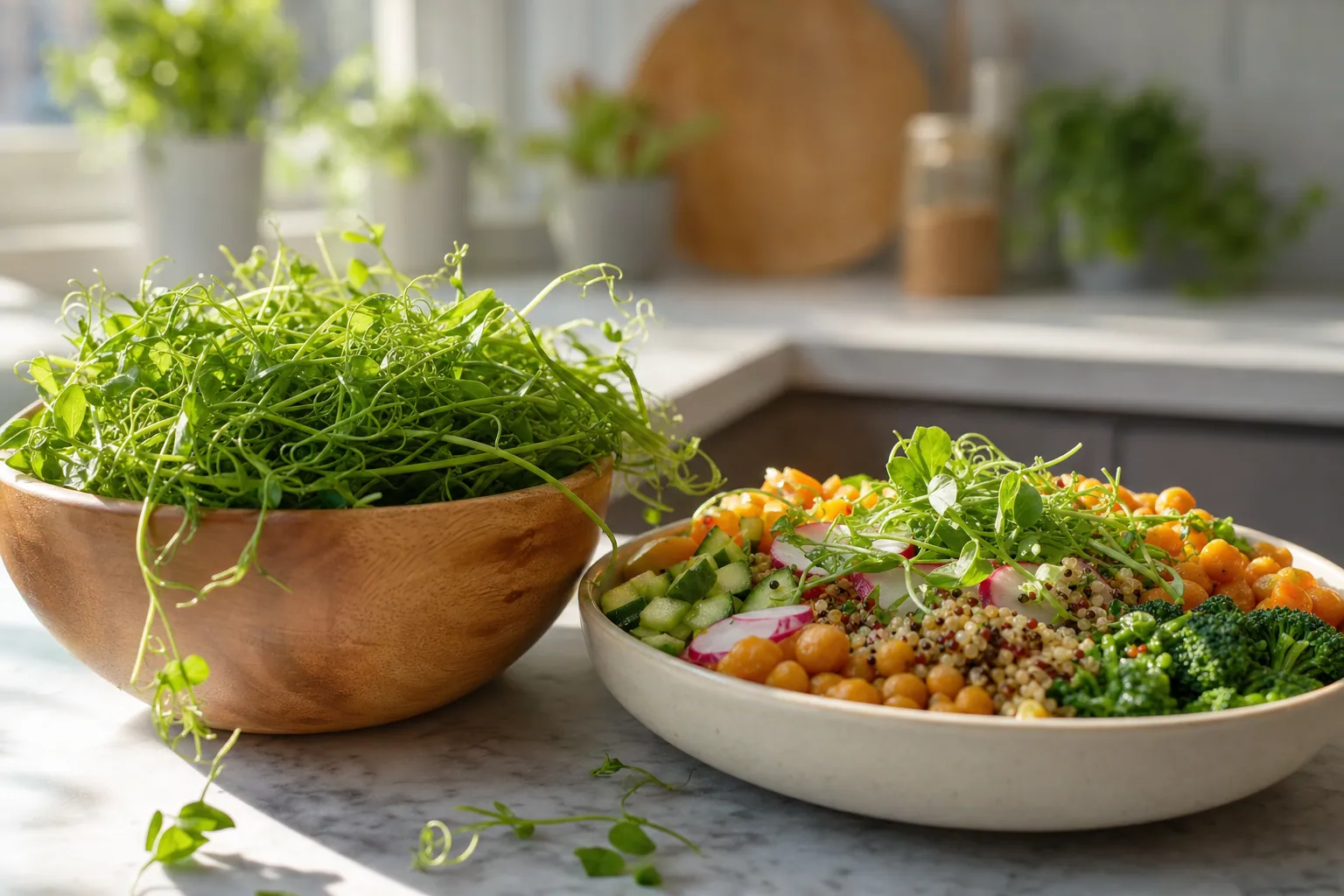
Pea shoots are one of the more protein-dense microgreens and a strong plant-based protein source. Benefits, nutrition, how to eat them, and how to keep them fresh.

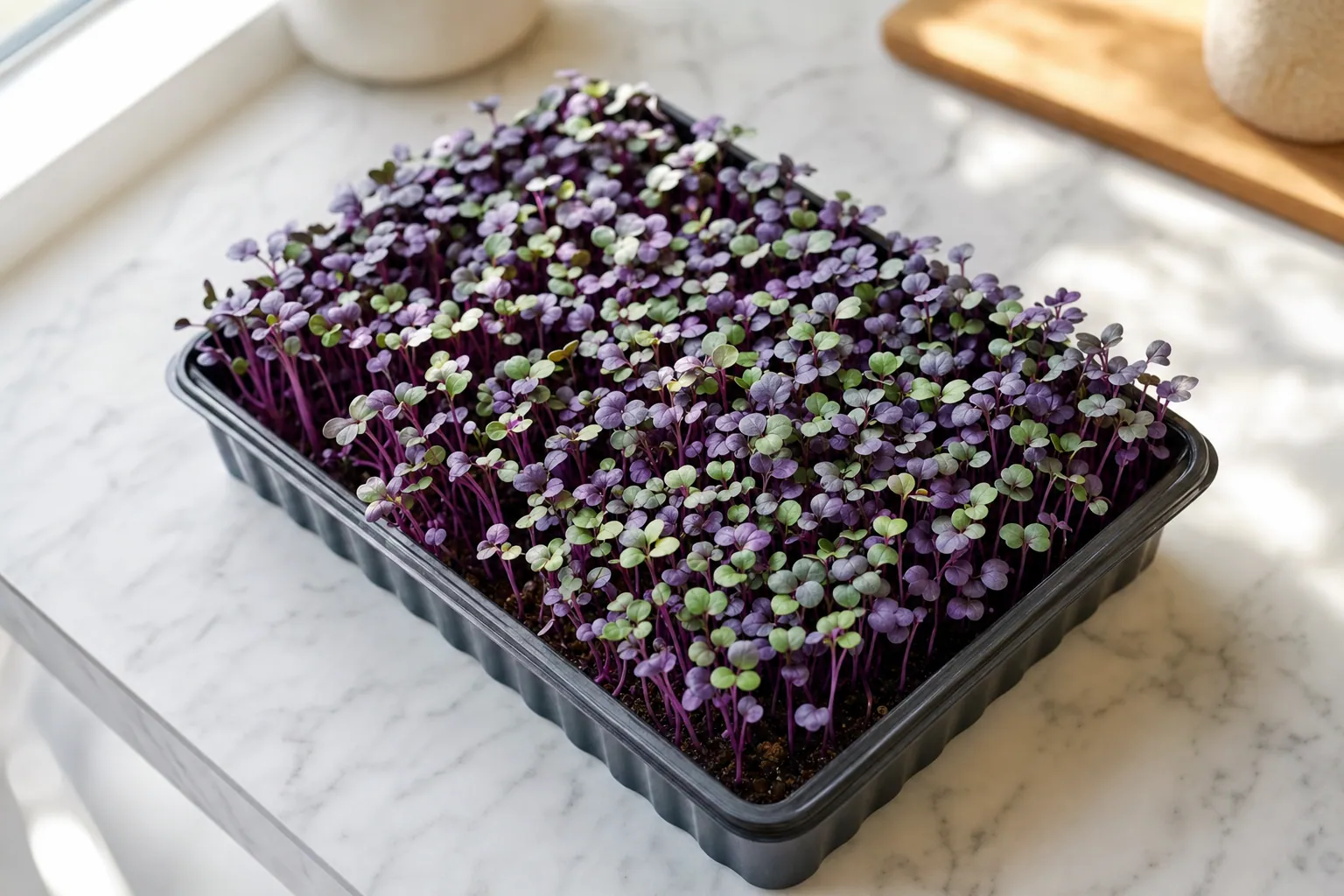
Microgreens cholesterol research is promising but early. See what the red cabbage mouse study really found and how to use microgreens wisely.

Microgreens longevity, explained for biohackers — the nutrient density, sulforaphane, and protein data behind these tiny greens.

Grow vs buy microgreens: compare real cost per serving, freshness, and daily effort to decide which option actually fits your kitchen and budget.

Radish microgreens grow in days and pack 2-3.5x the nutrients of mature radishes. A friendly guide to growing, eating, and getting the most from them.

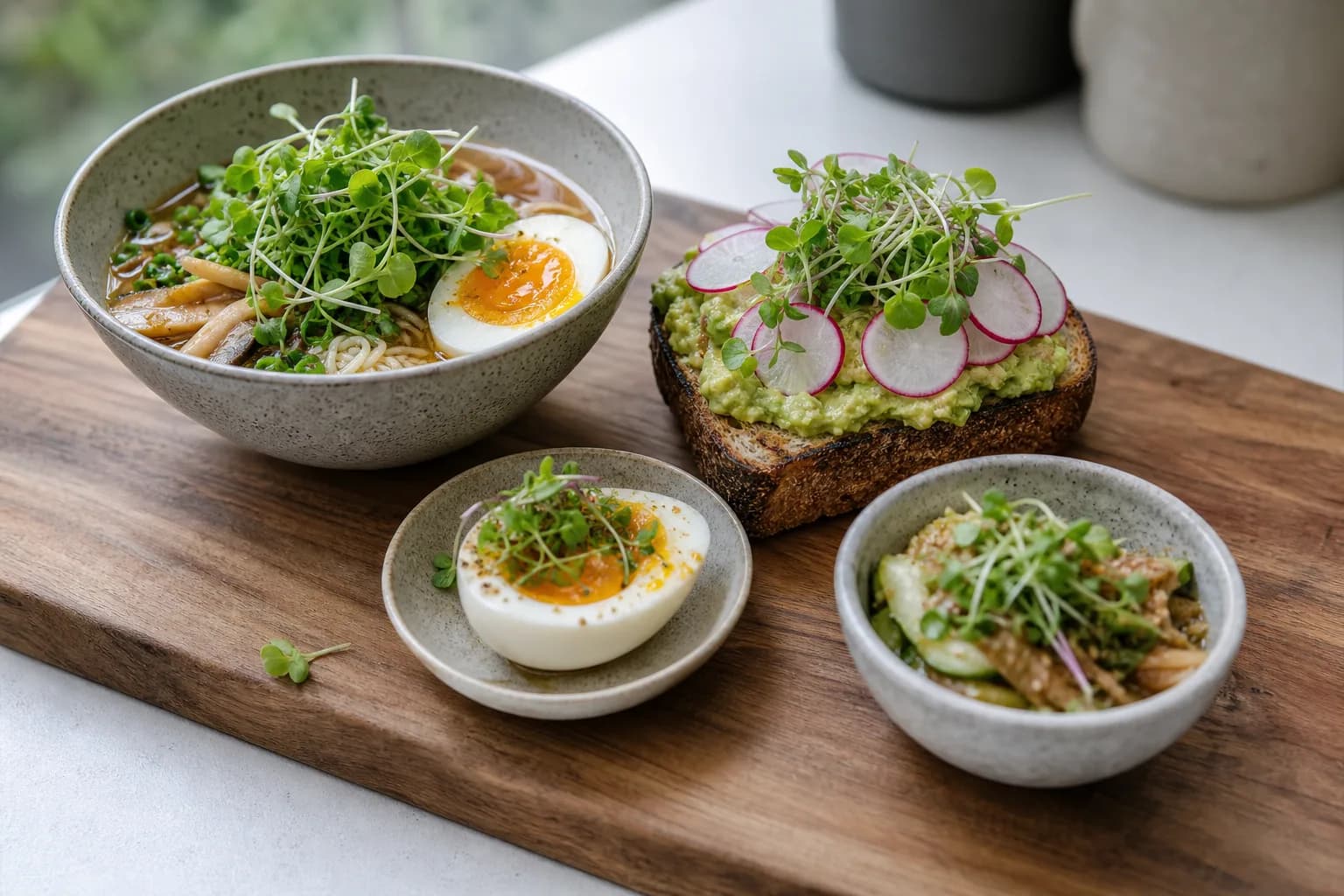
How to eat microgreens every day: 10 no-recipe ideas for toast, eggs, soup, salads, and smoothies, plus how to keep their nutrition intact.

Microgreens and diabetes: what early studies suggest about sulforaphane, blood sugar, and adding nutrient-dense greens to a type 2 diabetes diet.

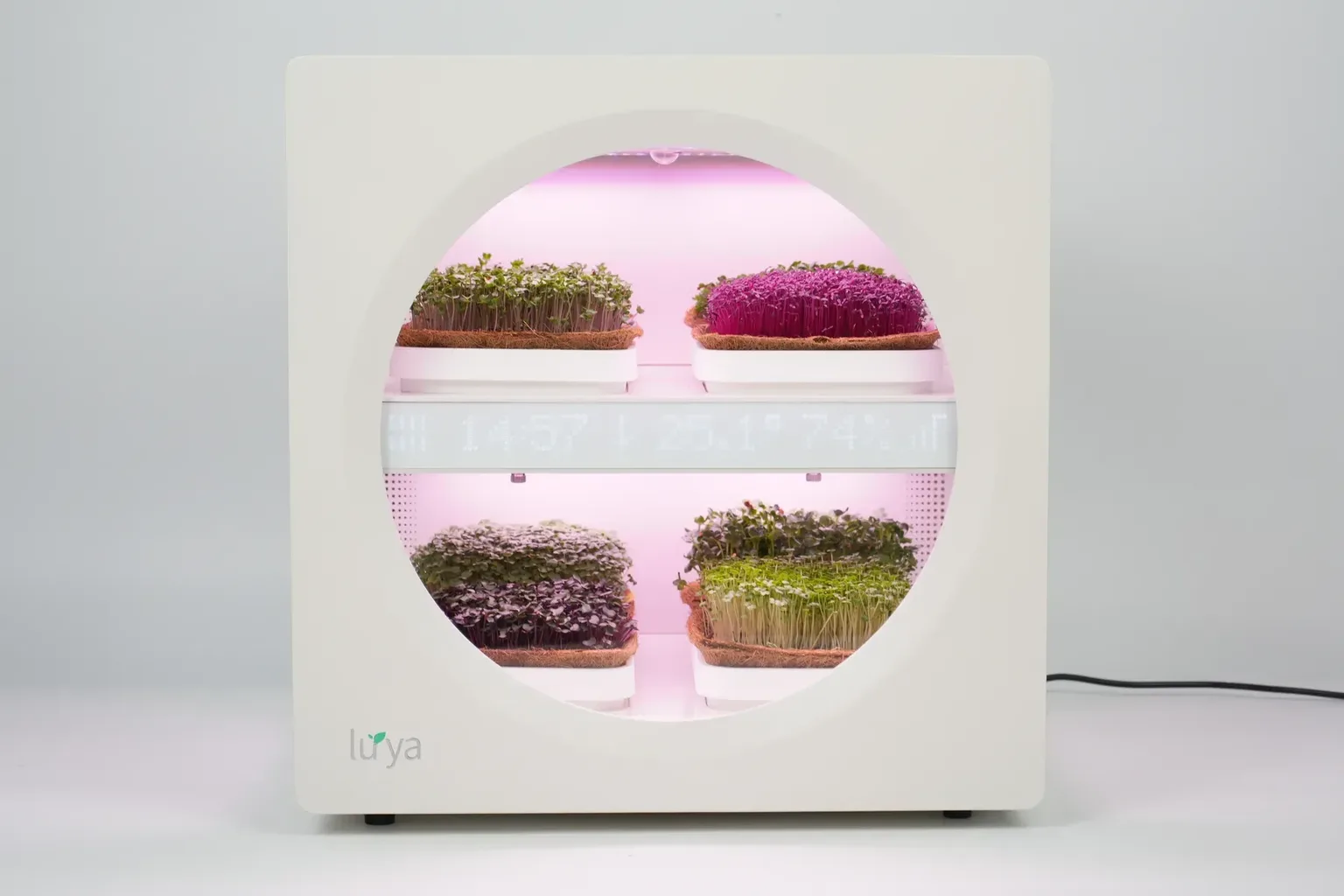
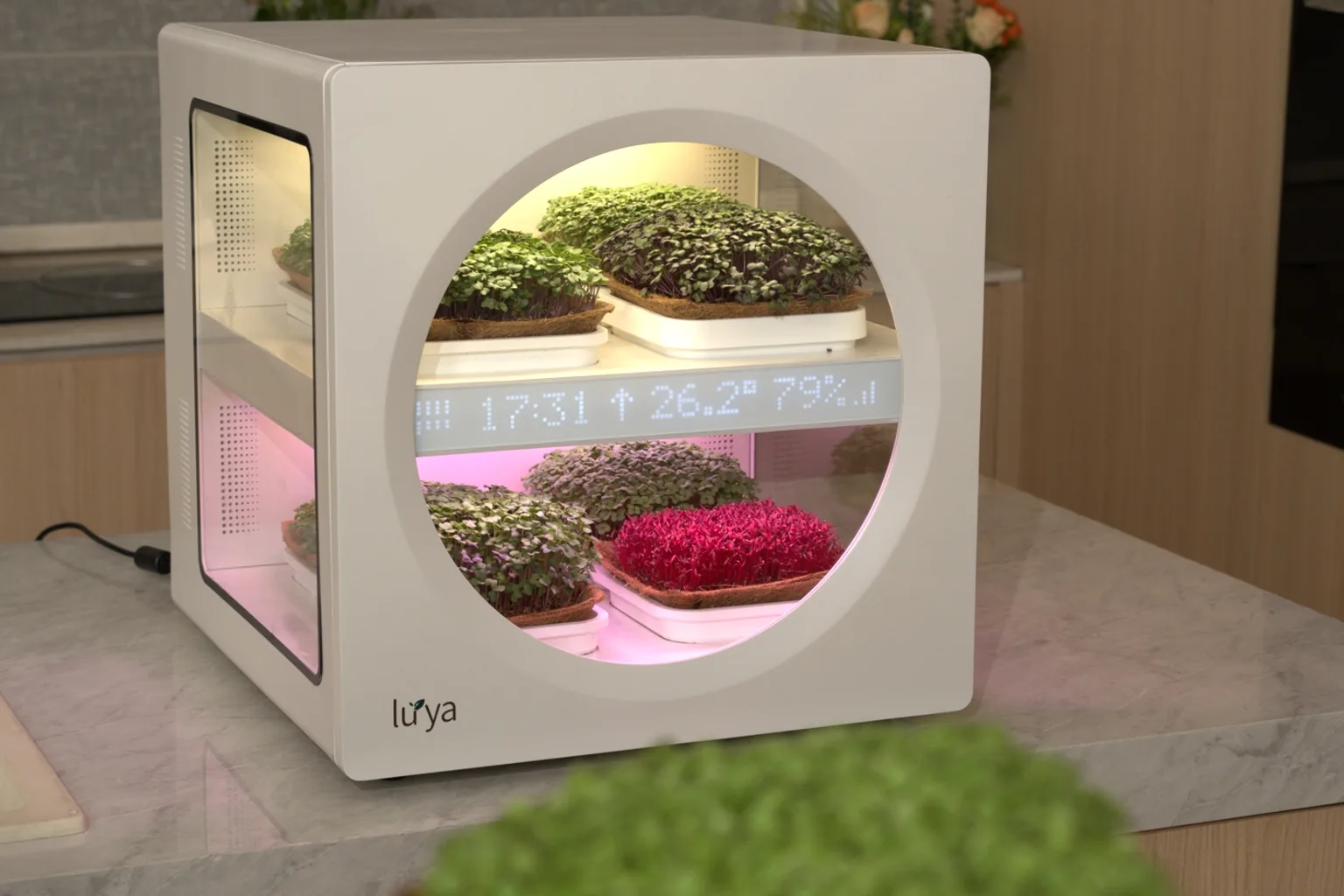
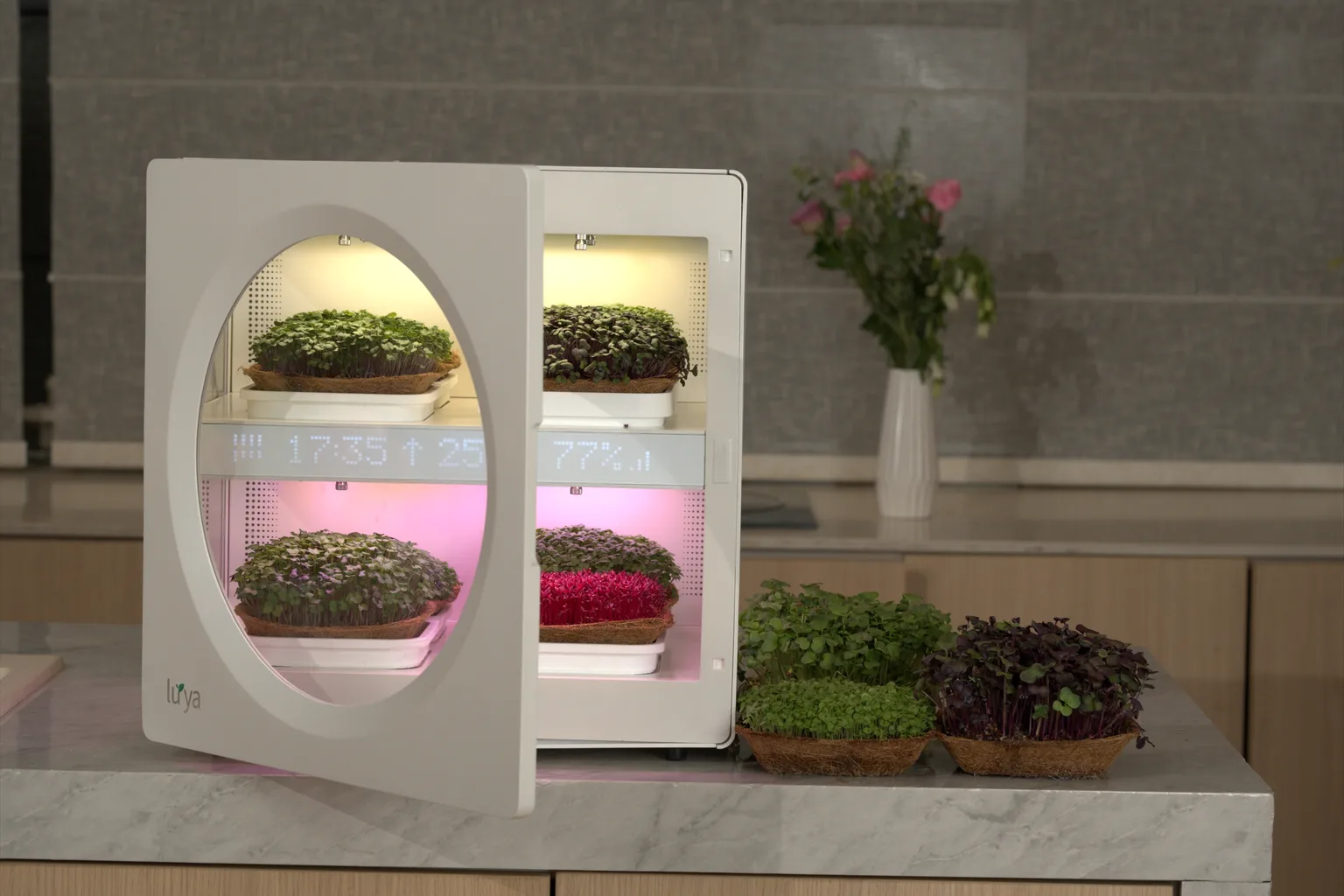
The AI microgreens grower explained: how Luya's sealed, climate-controlled appliance grows fresh greens on your counter with zero daily chores.

Broccoli microgreens carry far more sulforaphane precursor than mature broccoli. Here's the nutrition, the science, and how to grow them at home.

High protein microgreens like pea shoots add real plant-based protein, vitamins, and freshness to vegan meals. Here are the best ones and how to eat them.

The best microgreens smoothie recipes to blend more nutrients into your day, with crops, ratios, and tips for a smooth, fresh, great-tasting drink.

Are microgreens good for you? Research shows they're 2-3.5x more nutrient-dense than mature greens. Here's what the science genuinely supports.

The easiest microgreens to grow at home for beginners — 7 fast, forgiving crops with timing, flavor, and care tips so your first tray succeeds.

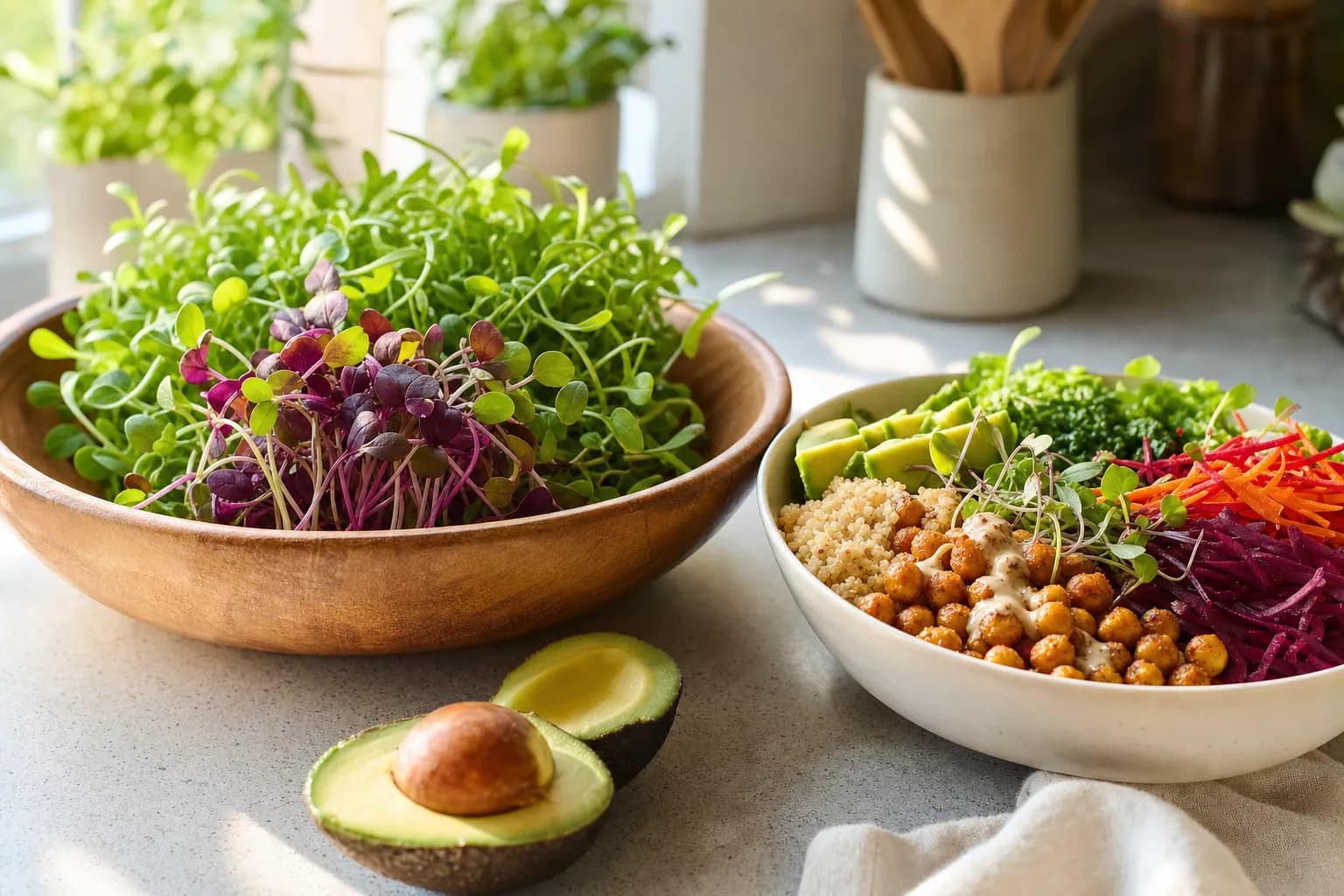
Microgreens salad ideas that go beyond garnish—flavor-first bowls, crop-to-pairing matches, and dressing ratios for fresher, more nutritious meals.

Sulforaphane is the powerhouse compound in broccoli microgreens — which contain 10–100× more than mature broccoli. Here's what the science says and how to get the most of it.

What are microgreens? A beginner's guide to these nutrient-dense baby greens, the best crops to start with, and how to grow them at home.

Microgreens nutrition explained: why these tiny greens carry 2-3.5x more nutrients than mature vegetables, the standout crops, and how to eat them.