This article is for general education only and is not medical advice. Talk with your doctor before changing your diet, especially if you manage a chronic condition or take medication.
If you have spent time reading about diet and chronic inflammation, you have probably bumped into microgreens inflammation research and the role of cruciferous greens. These tiny seedlings of plants like broccoli, radish, and cabbage have drawn real scientific attention, and the reason comes down to chemistry, not hype. As a plant scientist, I want to walk you through what the research actually says, where the evidence is solid, and where it is still early and animal-based.
The short version: cruciferous microgreens are unusually concentrated sources of certain plant compounds, and one of them, sulforaphane, is among the most studied molecules in nutrition science today. But "studied" and "proven cure" are very different things, and I want to be honest about both.
Why cruciferous microgreens are so nutrient-dense
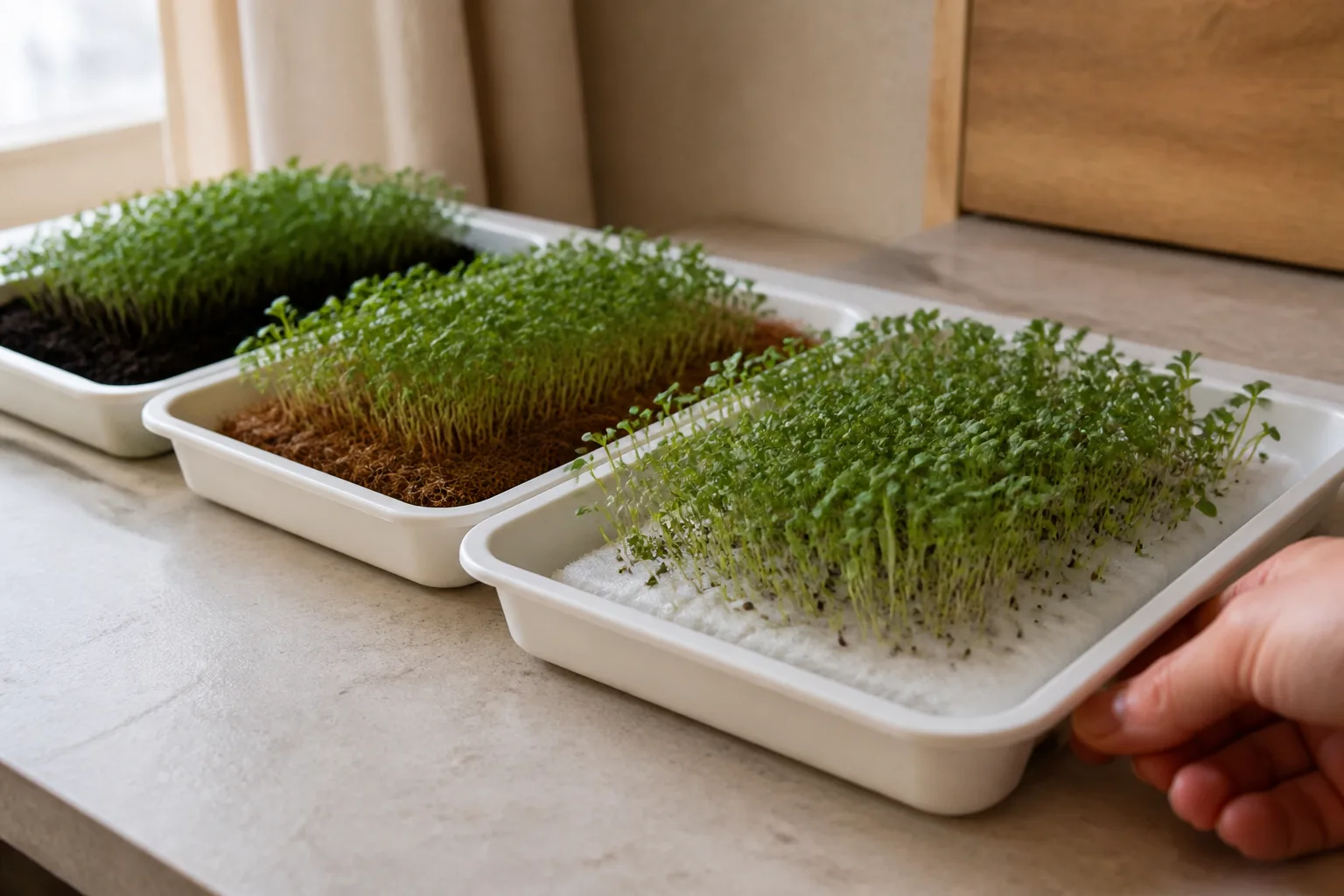
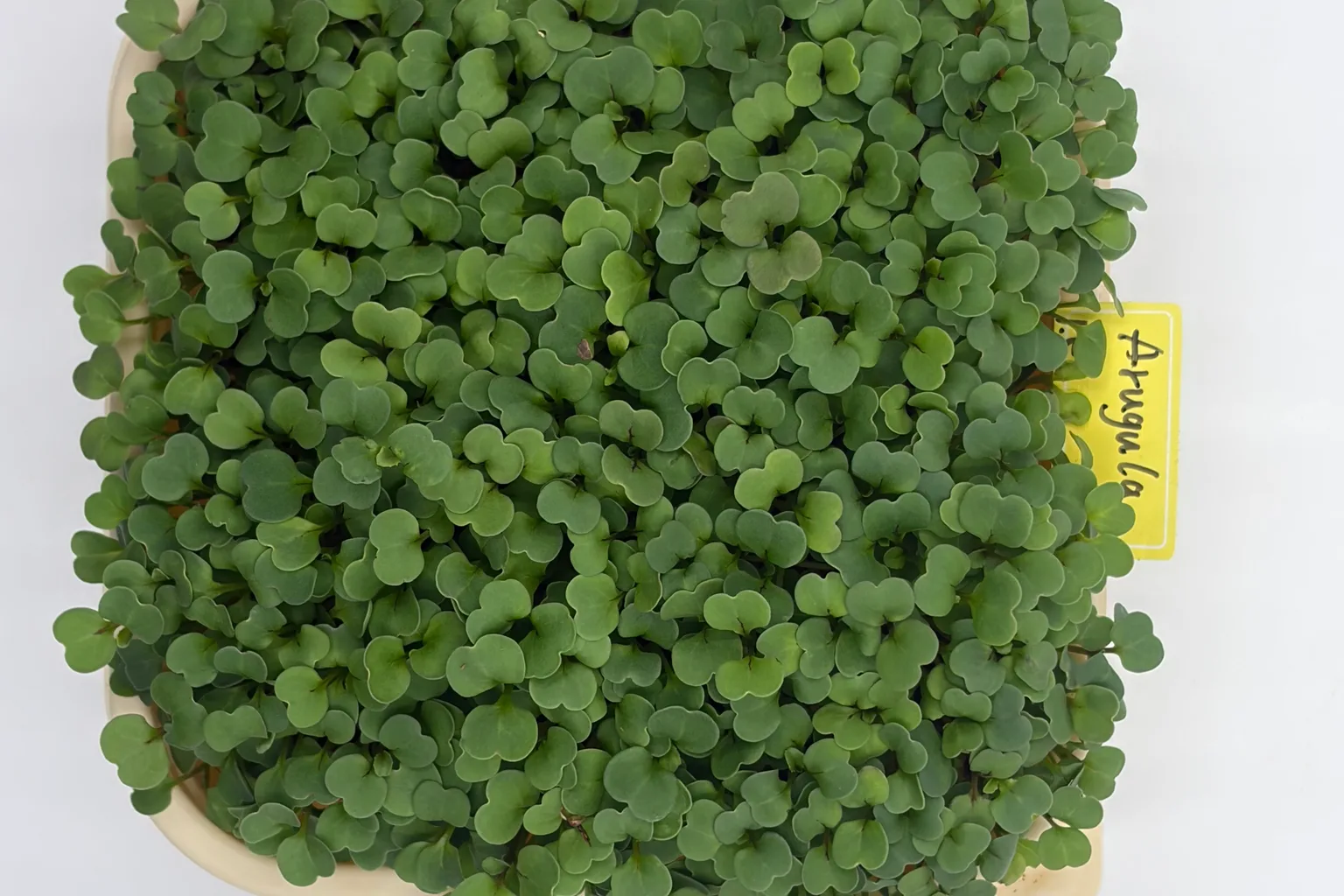
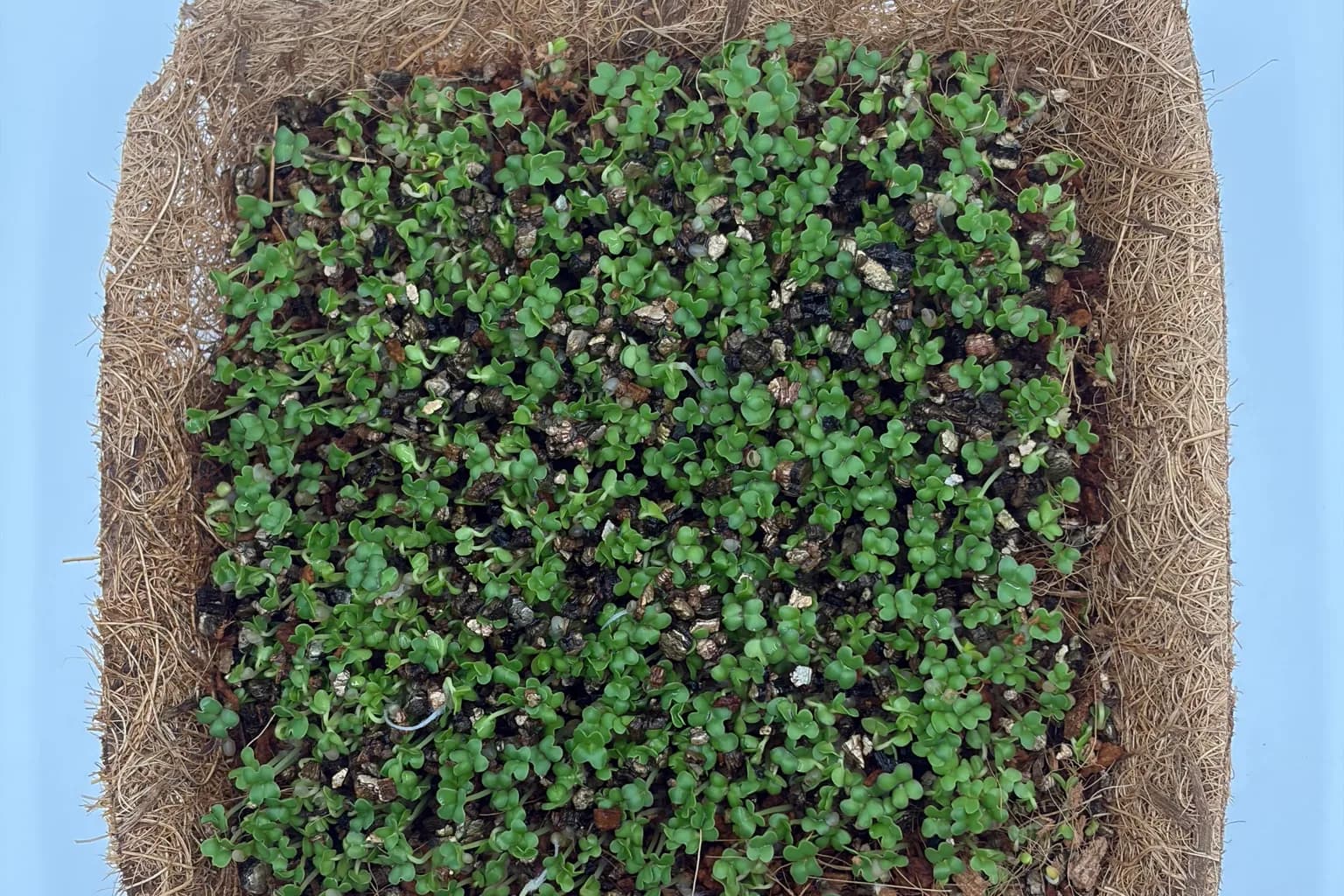
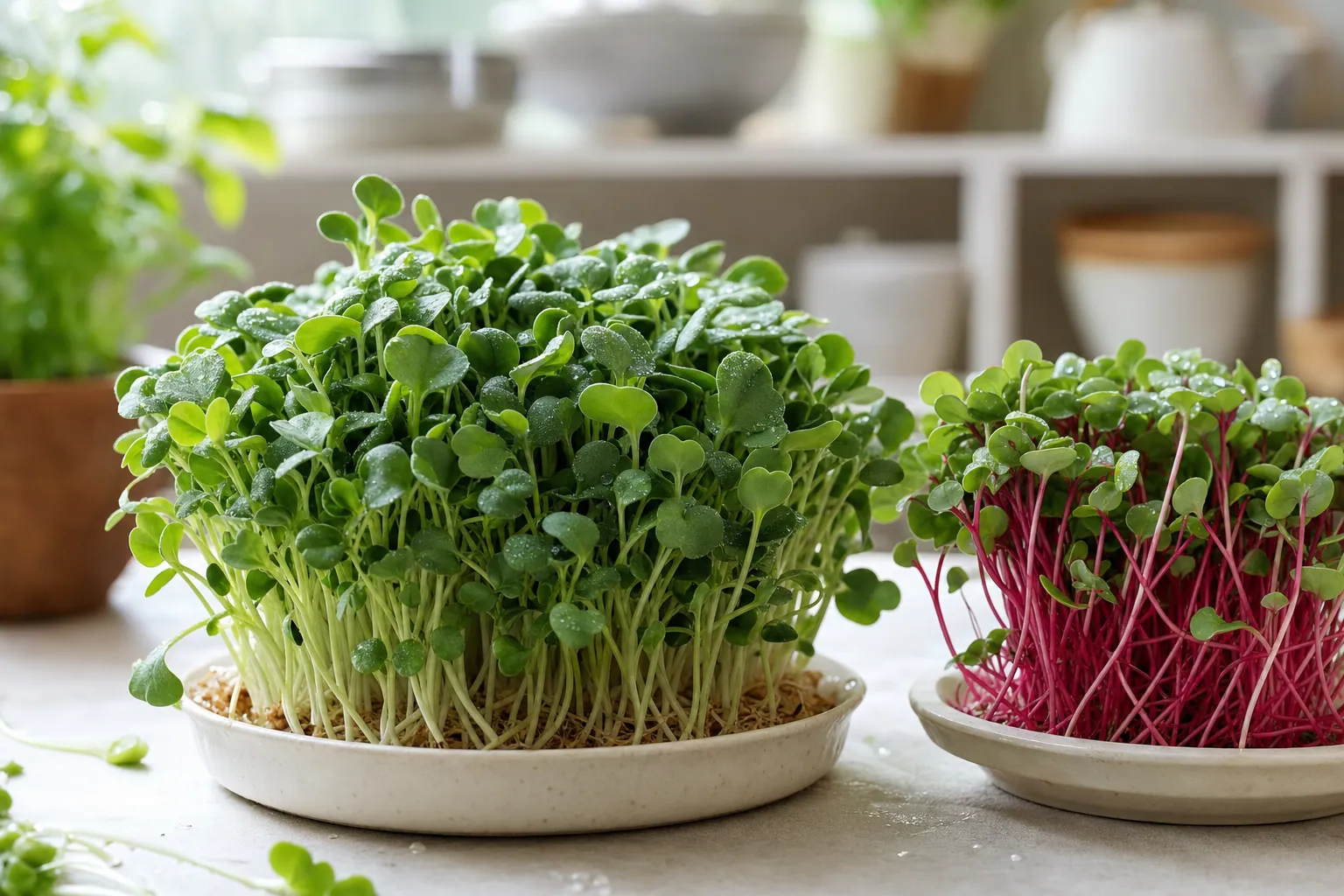
Microgreens are young vegetable seedlings harvested just after the first true leaves appear, usually within 7 to 14 days of sowing. That narrow window is the whole point: you eat the plant at its peak of stored energy and defensive chemistry, rather than after weeks of dilution into stems, water, and fiber.
Despite their size, peer-reviewed reviews (including work published in MDPI Plants) and USDA data suggest microgreens can be roughly 2 to 3.5 times more nutrient-dense than their fully grown counterparts, gram for gram, with radish microgreens often topping the list. That density matters for an anti-inflammatory eating pattern, because cruciferous microgreens are also rich in vitamins C, K, and E plus a broad range of antioxidants and polyphenols — the same families of compounds researchers consistently associate with the body's defense and repair systems.
For the full breakdown of which crops carry which vitamins and minerals, our overview on microgreens nutrition goes crop by crop, and are microgreens good for you weighs the overall evidence in plain language.
The sulforaphane story behind microgreens inflammation research
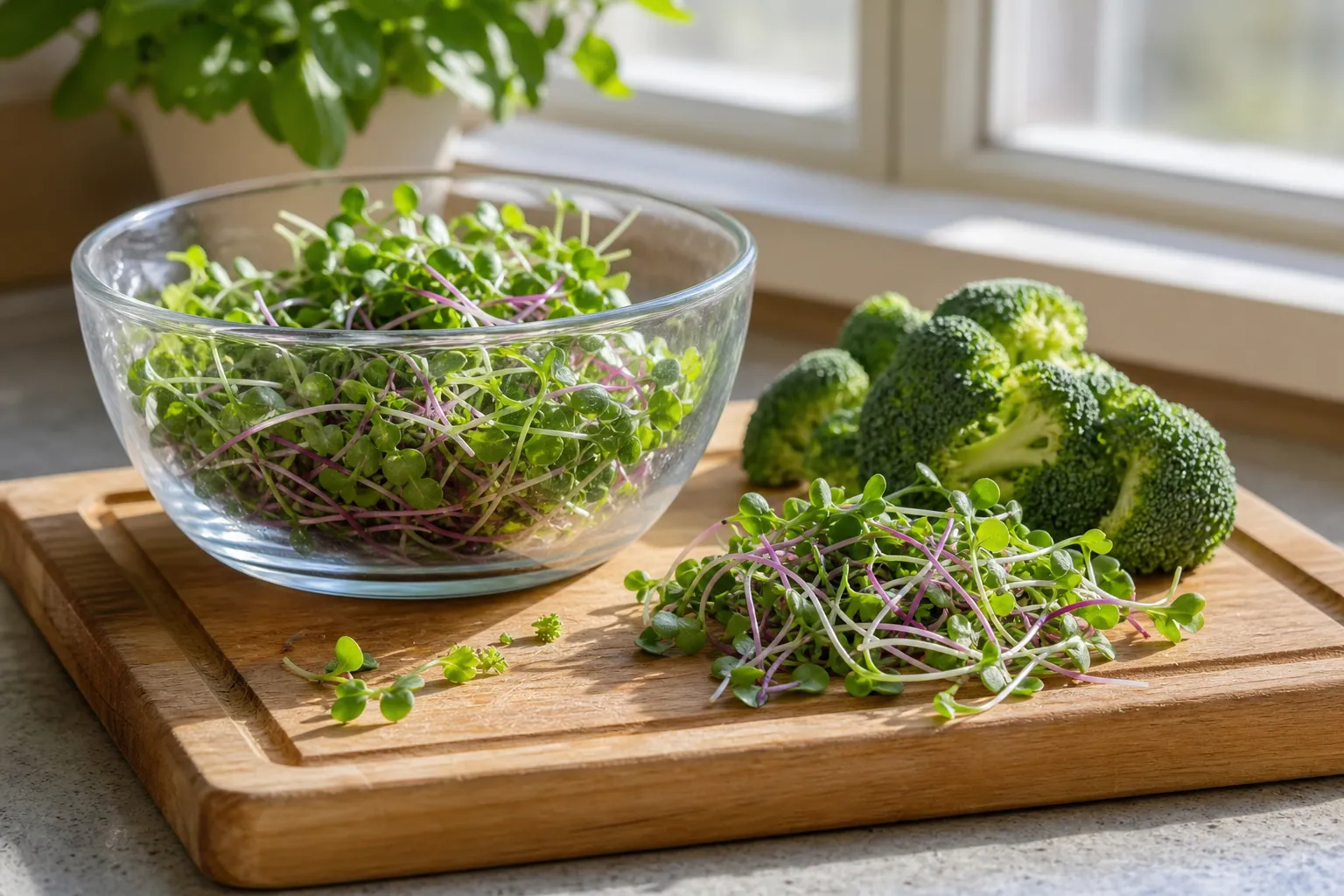
The reason cruciferous greens come up so often in microgreens inflammation discussions is a single compound: sulforaphane. It belongs to a group called isothiocyanates, and here is the detail most articles skip — it is not sitting ready-made in the plant. The seedling stores an inert precursor called glucoraphanin in one set of cells and an enzyme called myrosinase in another, and the two only meet when the tissue is physically broken. When you chew or chop the greens, those compartments rupture, glucoraphanin meets myrosinase, and the reaction produces sulforaphane on the spot — in your mouth and on your cutting board.
This is where broccoli stands out. Research from Johns Hopkins found that broccoli sprouts and microgreens can contain roughly 10 to 100 times more glucoraphanin — the sulforaphane precursor — than mature broccoli heads, a head start you cannot reach by eating the cooked vegetable. That said, the finished sulforaphane you actually get varies widely by variety, growing conditions, and harvest timing.
Once formed, sulforaphane activates the Nrf2 pathway, the body's built-in antioxidant and detoxification response. When Nrf2 switches on, it tells your cells to ramp up their own protective enzymes rather than just supplying antioxidants from outside. Researchers have studied this mechanism in blood-sugar regulation, inflammation, and general cellular defense. I want to be clear, though: this work is still research-stage. Sulforaphane is genuinely interesting, but it is not a proven treatment for any disease, and you should never stop a prescribed therapy because of it.
| Compound or feature | What it is | Why it matters |
|---|---|---|
| Glucoraphanin | Stored precursor in the seedling | Converts to sulforaphane only when cells are broken |
| Myrosinase | Enzyme kept in separate cells | The "key" that unlocks sulforaphane; degraded by heat |
| Sulforaphane | An isothiocyanate | Activates the Nrf2 antioxidant and detox pathway |
| Nrf2 pathway | A cellular signaling system | Switches on the body's own defense genes |
For a focused explainer on this molecule, see what is sulforaphane, and for the practical angle, maximize sulforaphane covers how to get the most from each bite.
How to actually get the sulforaphane onto your plate
Here is the part most people miss. Because sulforaphane only forms when glucoraphanin meets myrosinase, and because heat and overcooking degrade myrosinase, how you handle your greens changes the chemistry of what you actually absorb. You can buy the most precursor-rich broccoli microgreens on earth and still get very little sulforaphane if you boil them first.
The practical takeaways are simple:
- Eat them raw and fresh whenever possible — raw greens keep the myrosinase enzyme intact.
- Chew thoroughly. Chewing is not just digestion; it is part of the reaction that creates sulforaphane.
- Avoid overcooking. Prolonged heat deactivates myrosinase before sulforaphane can form. If you must cook, do it lightly and briefly.
This is also why freshness genuinely matters, and not just for flavor. The closer to harvest you eat them, the more intact the enzyme system and the better the overall nutrient picture. A wilted clamshell that has spent a week in transit works against you on every front.
Beyond broccoli: cabbage, radish, and peas
Broccoli gets the headlines, but other cruciferous and legume microgreens are worth knowing.
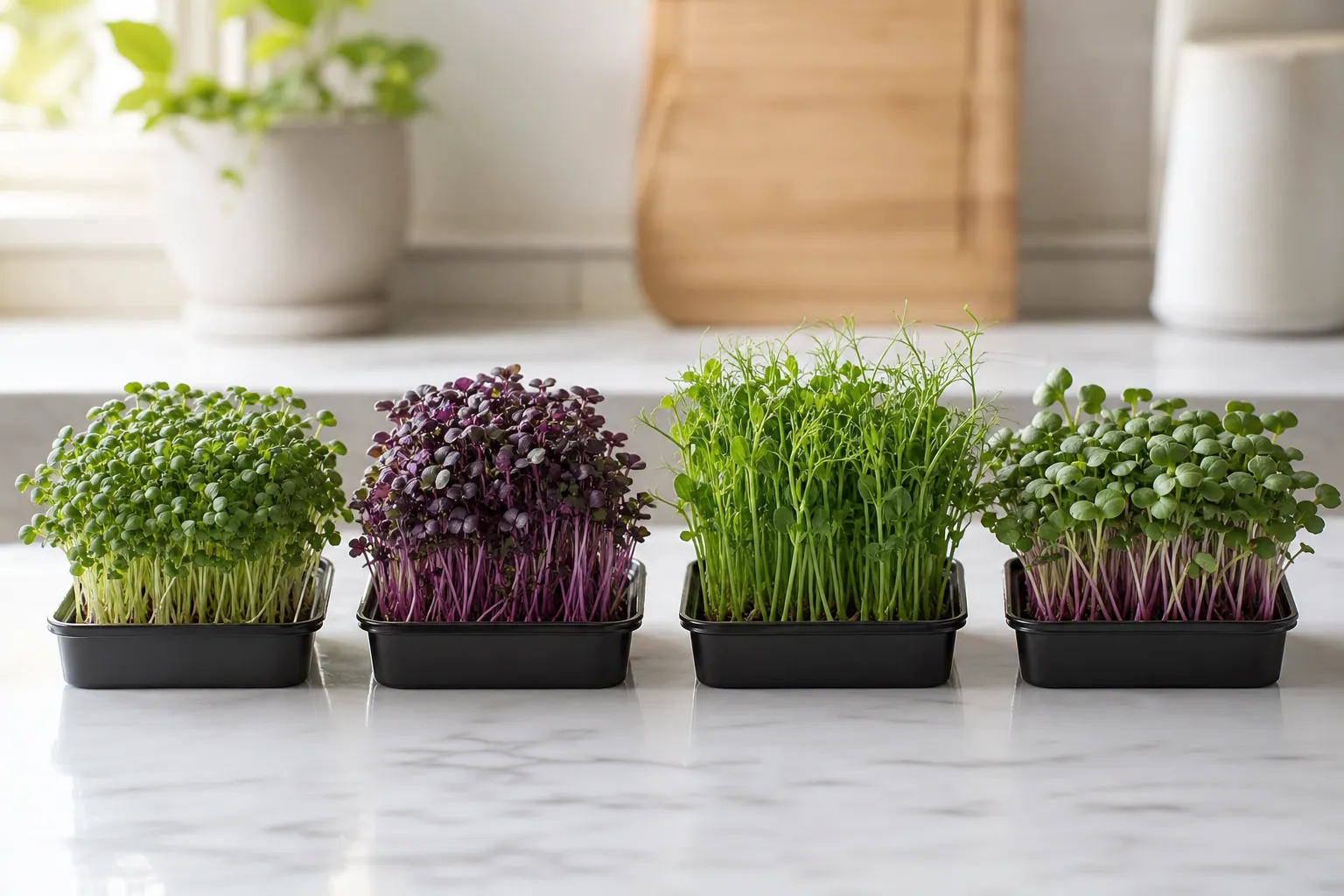
Red cabbage microgreens are striking. A USDA-associated animal (mouse) study found that red cabbage microgreens lowered LDL ("bad") cholesterol and liver cholesterol, along with reduced weight gain and lower inflammatory markers, in mice on a high-fat diet. I have to flag this clearly: that is early, animal-model research, not human proof. Mice are not people, and one promising result is a starting point, not a conclusion. It is encouraging, not settled. You can read the fuller context in our piece on microgreens and cholesterol.
Pea shoots take a different lane. They are one of the more protein-dense microgreens and a notably strong plant-based protein source, which makes them a favorite for plant-forward eating. Protein supports tissue repair, so they earn a place alongside the cruciferous crops. Our guide to high-protein microgreens digs in there.
Radish microgreens often rank highest of all for nutrient density and bring a peppery bite that makes them easy to eat raw and often — which, as we have covered, is exactly the point.
| Microgreen | Standout property | Honest framing |
|---|---|---|
| Broccoli | High sulforaphane precursor (10–100x mature) | Most-studied crop for the Nrf2 pathway |
| Red cabbage | Lowered LDL and liver cholesterol in a mouse study | Early animal research, not human proof |
| Pea shoots | One of the more protein-dense microgreens | Strong plant-based protein |
| Radish | Often highest nutrient density | Everyday nutrient boost |
A realistic, honest takeaway
If you are managing a chronic condition, here is how I would frame microgreens: a genuinely nutrient-dense, low-effort addition to an overall healthy, anti-inflammatory eating pattern, backed by real and growing science — but not a medicine. The strongest claims still come from lab and animal studies, and the human picture is being actively written. Pair anything you read here with your own physician's guidance, and treat microgreens as one helpful habit among many, not a single fix.
The catch with actually getting the benefit is simple but stubborn: it depends on fresh, raw greens, eaten close to harvest. Store-bought clamshells often spend days moving from farm to truck to warehouse to shelf, then wilt within a day or two of getting home. Growing your own by hand removes the supply-chain problem but adds new ones — mold, soil mess, and the daily watering a roughly 10-day cycle demands. Miss a few days for travel or a busy week, and the tray is often lost. If you are curious why home trays fail so often, why microgreens keep molding is an honest read.
This is the gap Luya was built to close. The Luya countertop grower is a sealed, climate-controlled appliance that handles temperature, watering, and airflow automatically, so you drop in a pre-seeded tray and harvest only what you need, seconds before you eat it — raw, fresh, and at peak enzyme activity. The rest of the tray keeps growing, alive, until you are ready. Think of it like a Nespresso, but for greens.
To see how the automated, mold-free system works, visit /how-it-works, and for simple, raw-first ways to eat these greens at their best, browse our microgreens salad ideas.
Selected sources
- Johns Hopkins Medicine — research on broccoli sprouts and sulforaphane (hopkinsmedicine.org)
- USDA — microgreen nutrient data and red cabbage microgreen research (usda.gov)
- NIH / PMC — peer-reviewed literature on sulforaphane and the Nrf2 pathway (ncbi.nlm.nih.gov)
- MDPI Plants — reviews on microgreen nutrient density (mdpi.com)
- Cleveland Clinic — consumer health guidance on cruciferous vegetables (clevelandclinic.org)
- Healthline — overviews of microgreens and sulforaphane (healthline.com)
References
- Huang H, Wang TTY, et al. Red Cabbage Microgreens Lower Circulating LDL, Liver Cholesterol, and Inflammatory Cytokines in Mice Fed a High-Fat Diet. J Agric Food Chem. 2016;64(48):9161–9171. https://doi.org/10.1021/acs.jafc.6b03805
- Kyriacou MC, Rouphael Y, Di Gioia F, et al. Micro-scale vegetable production and the rise of microgreens. Trends Food Sci Technol. 2016;57:103–115. https://doi.org/10.1016/j.tifs.2016.09.005