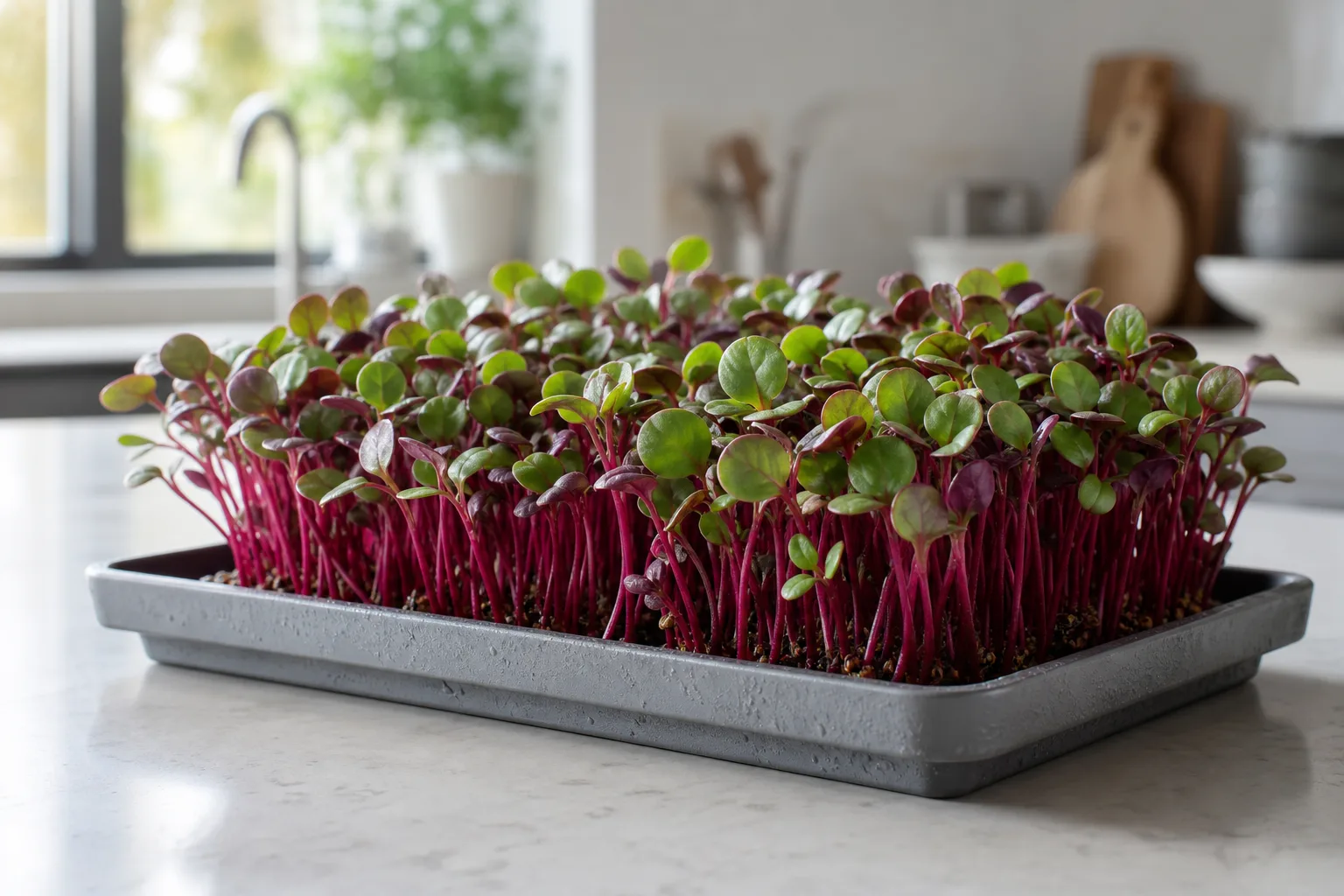
There is a moment, about a week into a tray of beet microgreens, when the whole thing turns the color of a sunset. The stems flush a deep, glossy crimson, the little leaves unfurl in green tipped with red, and you realize you are about to eat something that looks far too pretty to be this easy. Beet microgreens are one of the most striking crops you can grow on a countertop, and they taste the part too: sweet, mineral, and unmistakably earthy, like a beetroot that traded its heaviness for something fresh and delicate.
They do come with one honest catch. Beets are not the sprint that radish microgreens are. They germinate slowly and need a little extra preparation. But once you understand why beet seeds behave the way they do, the crop becomes predictable and deeply satisfying. This guide walks through the flavor, the color, the soaking, the growing, and the eating.
What Beet Microgreens Actually Are
Like all microgreens, beet microgreens are simply beetroot plants harvested very young, usually when the seed leaves (cotyledons) are fully open and the first true leaves are just hinting at arriving. You cut them at the base, roots stay behind, and what you eat is the tender stem and leaf.
What sets beets apart visually is the pigment. Those red and magenta tones come from betalains, the same compounds that give mature beetroot its famous color. In the microgreen, that pigment concentrates in the stem, producing the vivid red stalks that make this crop a favorite of chefs and home growers. The flavor is gentler and sweeter than a mature beet, the earthy note dialed down to a pleasant minerality rather than the dense, soil-like punch some people find off-putting in the full-grown root.
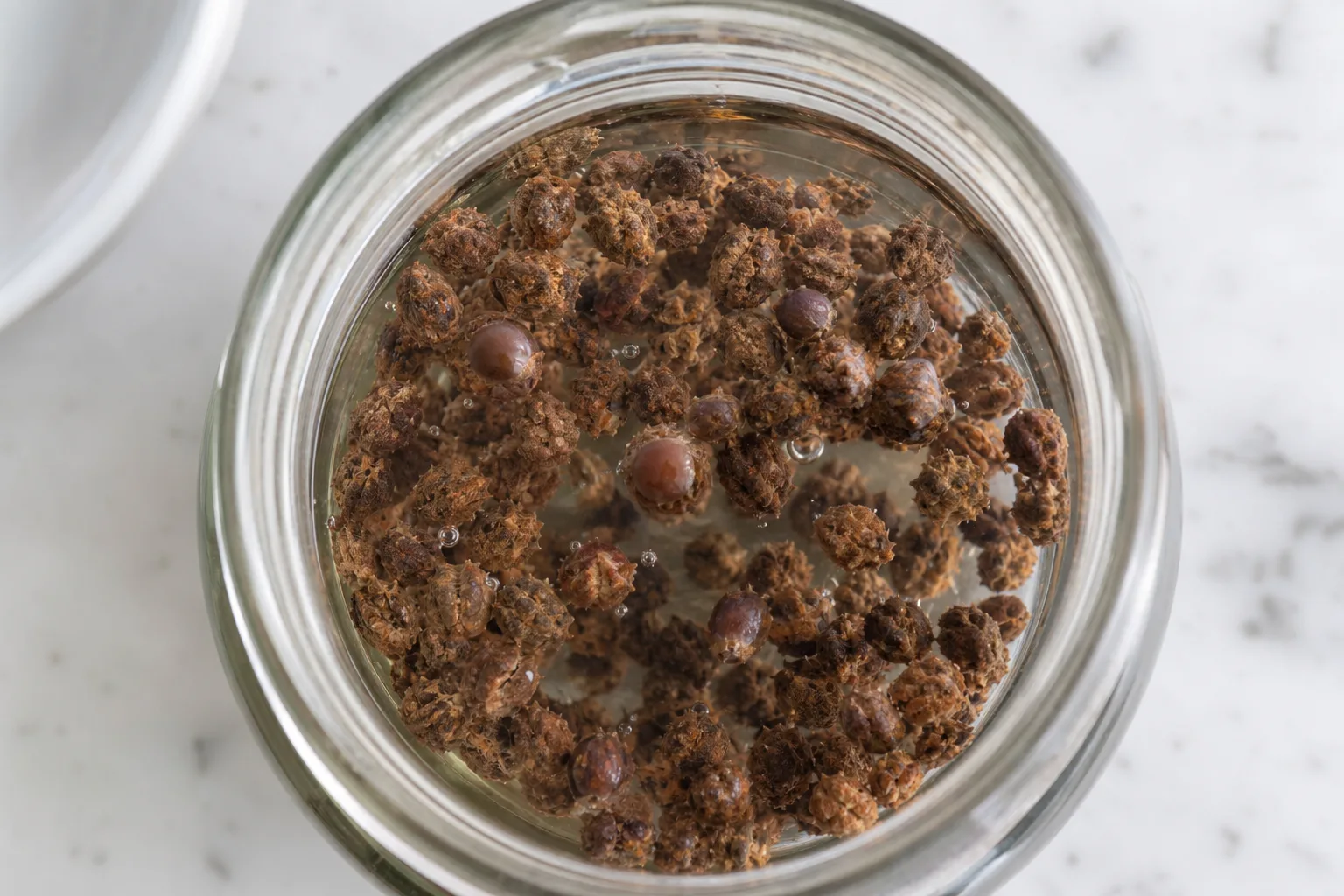
One quirk worth knowing up front: a "beet seed" is usually not a single seed. Each one is a hard, corky cluster that contains two or more actual seeds. That is why a single sowing can sprout in little tufts, and it is also part of why germination takes longer and runs less evenly than crops with simple, single seeds.
Flavor and Color: Why Beets Stand Out
If you have ever wondered how color and taste connect in microgreens, beets are the perfect example. The same betalain pigments that paint the stems red also contribute to that earthy, faintly sweet character on the palate. It is a gentle flavor, nothing like the heat of mustard or the sharp pepper of radish, which makes beet microgreens a versatile garnish that adds drama without taking over a dish.
Here is how beets sit alongside a few other popular crops, roughly speaking.
| Crop | Flavor | Color | Intensity |
|---|---|---|---|
| Beet | Sweet, earthy, mineral | Crimson stems, green-red leaves | Mild |
| Radish | Peppery, sharp | Pink-purple stems | Bold |
| Broccoli | Mild, fresh, faintly cabbagey | Pale green | Gentle |
| Amaranth | Mild, earthy | Magenta throughout | Mild |
| Pea shoots | Sweet, fresh | Green | Gentle |
For more on matching flavors to plates, our guide to microgreens flavor pairing is a good next stop.
The Soaking Step You Should Not Skip
Here is where beets ask a little more of you. Those hard, corky seed clusters do not absorb water quickly, and spraying the top of the tray is not enough to wake them up reliably. To get even, vigorous germination, you need to soak, or "prime," the seeds first.
A long soak, around 24 hours, gives water time to fully penetrate the tough seed coat and kick-start germination. Beet seeds also tend to be dusty straight out of the bag, so rinsing several times during the soak clears away debris that can otherwise feed mold once the tray warms up. Some growers go further, adding a brief sanitizing rinse before sowing to cut down on surface bacteria. If mold is a recurring headache, our piece on why microgreens keep molding covers the basics.
A quick reference for the soak:
| Step | What to do | Why |
|---|---|---|
| Rinse | Swirl and drain a few times | Beet seeds are dusty; clean water means less mold |
| Soak | ~24 hours in cool water | Water has to reach the seed inside a hard cluster |
| Optional sanitize | Brief sanitizing rinse, then rinse well | Reduces surface bacteria that trigger mold |
| Drain | Spread on the tray, lightly damp | Seeds are now primed and ready to germinate |
Twenty-four hours is roughly double the soak most crops need, and that is normal for beets. Resist soaking much longer than a day, though; seeds left swimming too long can drown and rot rather than sprout.
Growing Beet Microgreens at Home
Once your seeds are primed, the growing rhythm follows the same arc as most crops, just stretched out. Spread the seeds densely and evenly across your tray. Beets benefit from the "lean on each other" effect, where seedlings support their neighbors as they push upward, so do not sow too thinly.
Keep them in the dark for the first phase. Like nearly all seeds, beets germinate best without light, so a blackout cover for the first several days mimics being underground and encourages the seedlings to stretch toward the surface. Because each cluster holds multiple seeds, you will see a slightly uneven, tufted emergence over a couple of days rather than a uniform carpet overnight. That is expected.
Beets have one extra need at the transition to light. They come up delicate and are slow to "harden off," so they are not as sturdy as a radish or pea right out of blackout. Keeping them under a clear humidity dome for a day or two once the cover comes off helps two ways: the moisture and light let the seedlings set roots and stiffen up, and the gentle conditions help those stubborn seed hulls release rather than drying on and clinging. Hulls that dry hard can be nearly impossible to remove later, so this small step pays off.
From there, give them good light, keep the medium evenly moist without waterlogging, and let them go. Expect a longer timeline than the fast crops; the color deepens the closer you get to harvest.
| Stage | Beets | A fast crop (radish) |
|---|---|---|
| Soak | ~24 hours | Often none, or a short rinse |
| Germination | 3-6 days, uneven | 1-2 days, even |
| Blackout | ~4-6 days | ~2-3 days |
| Harvest | ~12-18 days | 5-7 days |
If you would rather skip the soaking choreography entirely, this is exactly the kind of crop where a managed grower earns its keep. Luya, our countertop grower, handles the watering, lighting, and climate automatically with pre-seeded trays, so a fussier crop like beets becomes as hands-off as anything else. For the curious, here is how Luya works under the hood.
Are Beet Microgreens Good For You?
Beet microgreens deliver the appeal of a young, fresh vegetable: a concentrated dose of plant compounds in a small, tender package. The betalain pigments behind that red color are antioxidants, and like other microgreens, beets are harvested when the seedling is dense with the nutrients it packed away to fuel early growth. For more on the science, see microgreens nutrition and the honest take in are microgreens good for you.
One practical nutrition note: growing in nutrient-enriched water rather than plain water tends to produce sturdier, more robust seedlings, and many growers feel it adds nutritional value the plant would not otherwise have. If you are weighing whether microgreens need nutrients, beets are a crop where a gentle feed shows up clearly in the result.
How to Use Them in the Kitchen
This is the fun part, because beet microgreens are as much a visual ingredient as a flavorful one. Their sweet, earthy taste plays beautifully with creamy and tangy partners, and those red stems turn an ordinary plate into something that looks composed on purpose. A few favorites:
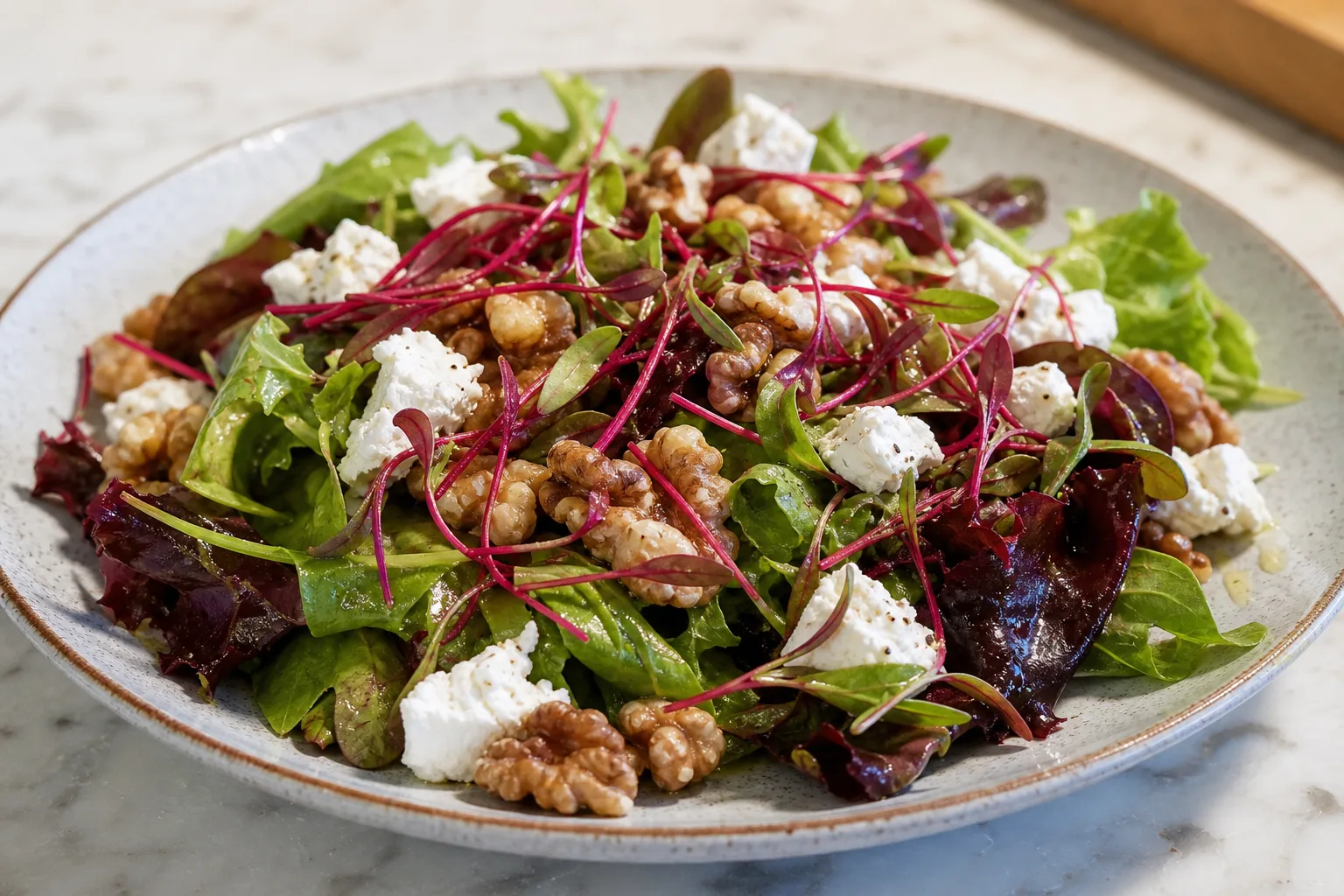
- Scattered over a goat cheese and walnut salad, where the earthiness echoes the cheese and the color does the rest.
- Layered into a sandwich or wrap for a fresh, mild crunch.
- Folded into a citrusy beet or grain bowl as a self-referential garnish.
- Dropped on top of soups and avocado toast just before serving.
Because the flavor is mild, beets are forgiving and pair widely. For more inspiration, browse our microgreens salad ideas and the general primer on how to eat microgreens. One tip: add them at the end, raw. Heat dulls both the color and the delicate texture, so they are best as a finishing touch rather than a cooked ingredient.
The Bottom Line
Beet microgreens are not the crop you grow when you want a result by Friday. They are the crop you grow when you want something genuinely beautiful on the plate and are willing to give them a long soak and a few extra days. Prime the seeds properly, keep them under cover until they harden off, feed them well, and harvest when the stems run deep red. The payoff is a sweet, earthy, jewel-colored green that no grocery store will sell you anywhere near this fresh. Grow one tray and the rhythm sticks.