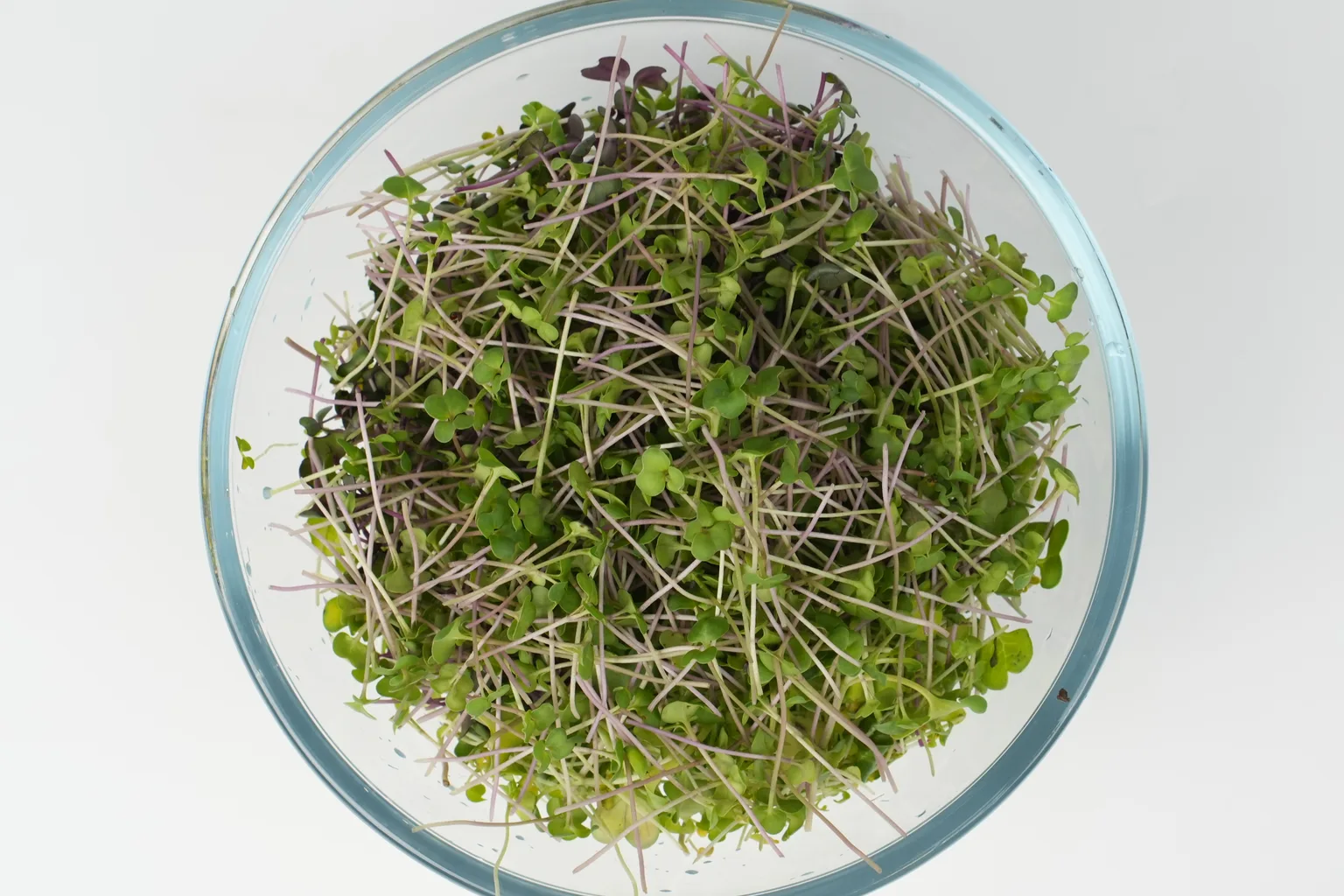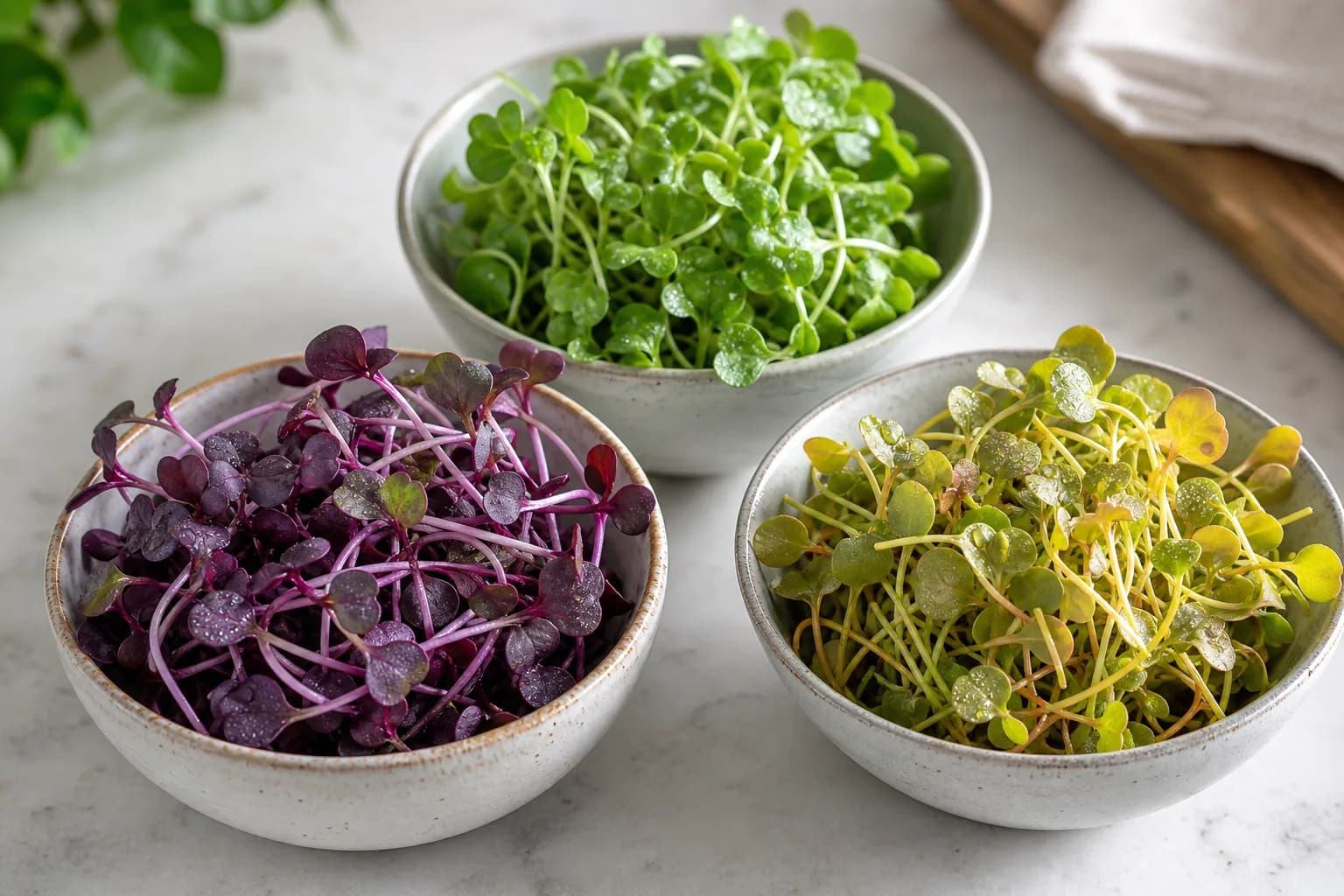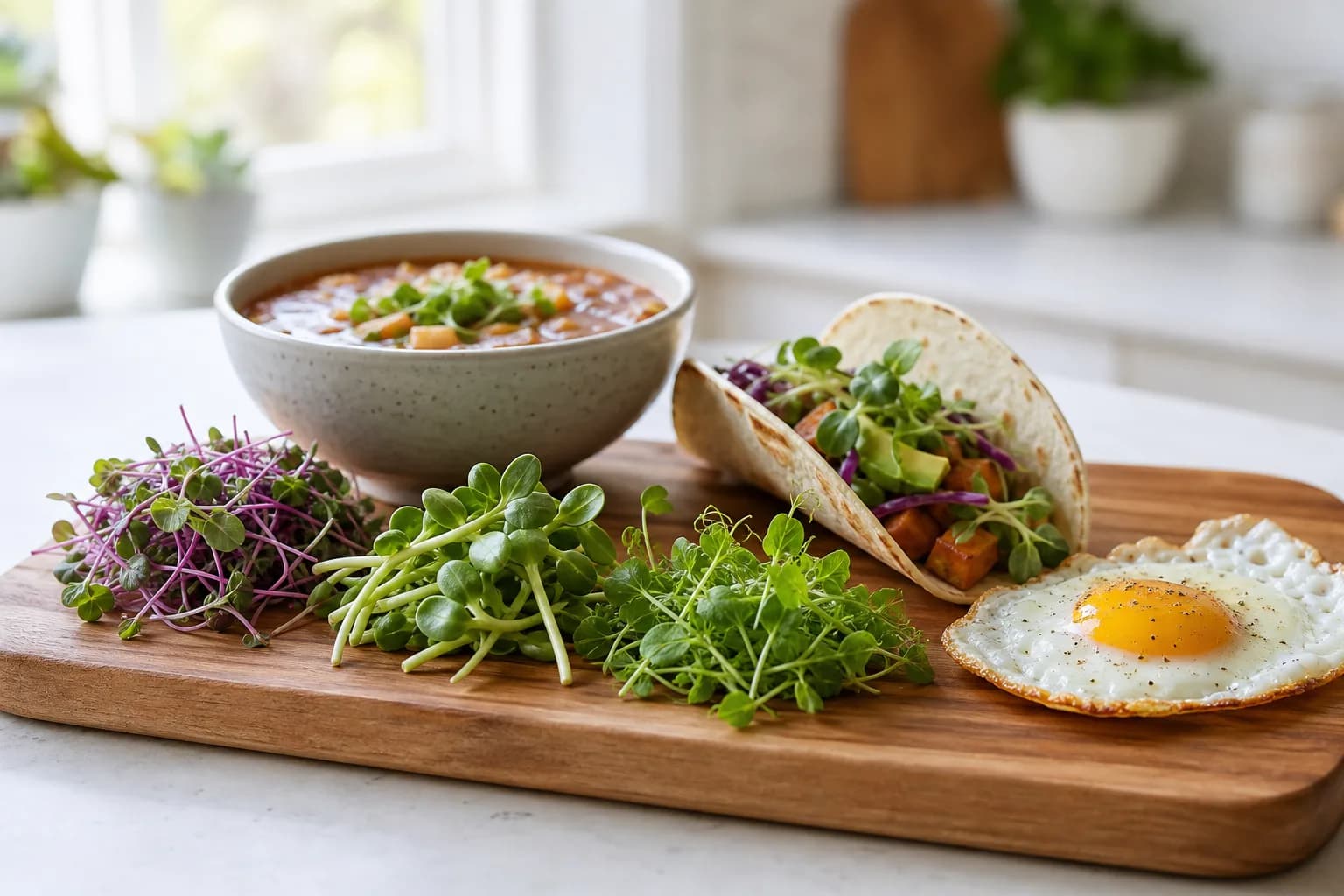
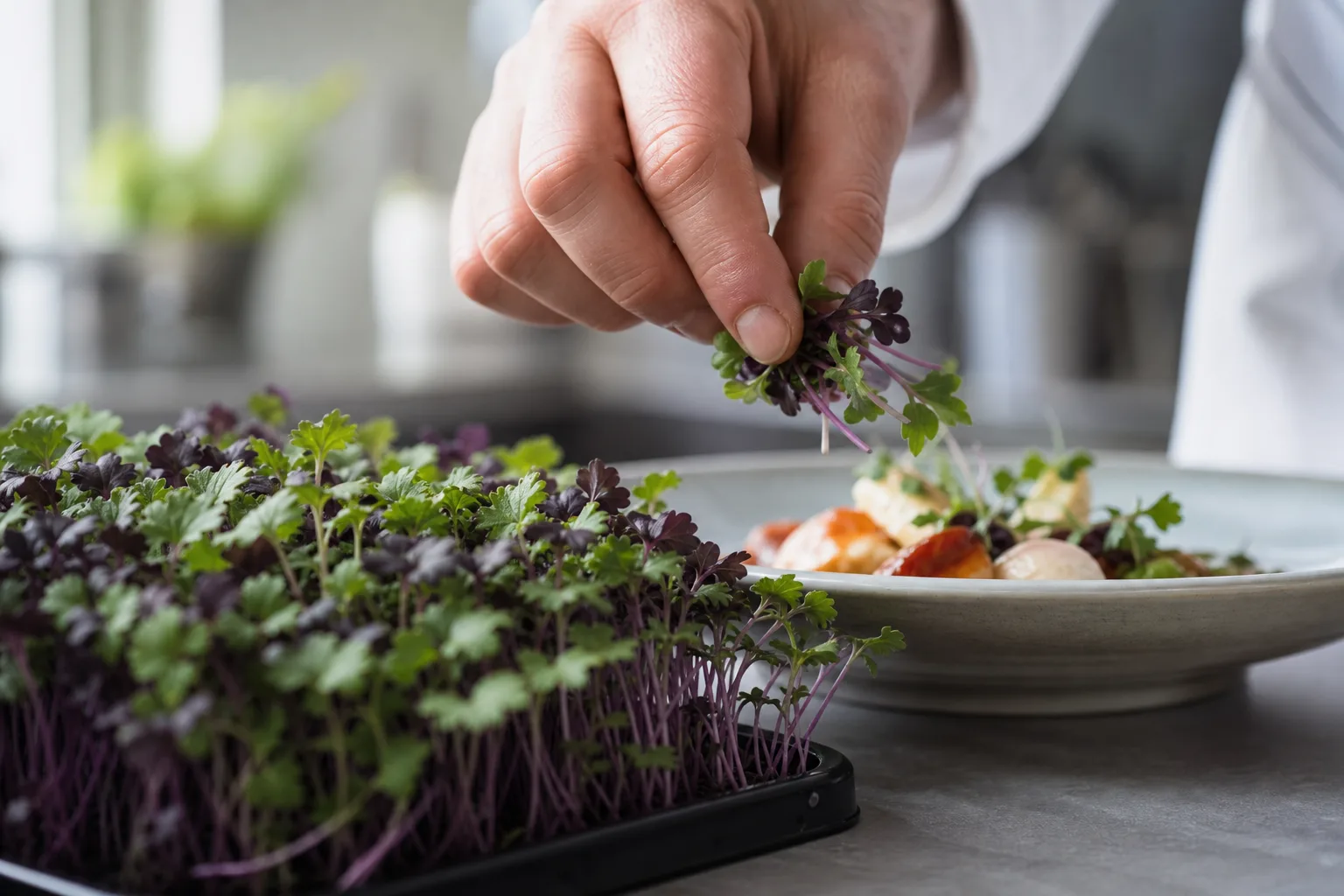
Take a single leaf of mustard microgreen, chew it slowly, and wait. For a beat it tastes green and mild. Then the heat arrives, climbing up the back of your nose like a whisper of wasabi. That delayed kick is not an accident or a quirk of one batch. It is chemistry, and once you understand it you can read the heat of any spicy green before it reaches your tongue, choose the right one for a dish, and dial the burn up or down on purpose.
Spicy microgreens are some of the most rewarding crops to grow and cook with, precisely because they pack so much character into such a tiny leaf. This guide walks through where the pepper comes from, how the popular spicy varieties stack up against each other, and how to use each one without overwhelming the plate.
Where the Heat Actually Comes From
The peppery bite in mustard, radish, arugula, and cress all traces back to the same family of plants: the brassicas, also called crucifers. These greens store a group of compounds called glucosinolates. On their own, glucosinolates are odorless and flavorless. They are essentially a loaded spring, sitting quietly inside the plant's cells, doing nothing.
The trigger is damage. When you bite, chop, or crush the leaf, you rupture its cells and bring the glucosinolates into contact with an enzyme called myrosinase that the plant keeps stored separately. The two meet, react in seconds, and produce a new set of compounds called isothiocyanates. Those isothiocyanates are the actual source of the sharp, mustardy, nose-tingling heat. The same reaction is what gives wasabi, horseradish, and a fresh radish their pungency. If you have ever wondered why microgreens taste sharper and more alive than the mature vegetable, this concentrated chemistry is a big part of the answer, alongside the texture and freshness we cover in our microgreen texture guide.
This also explains a practical quirk: heat builds as you chew. The more you crush the leaf, the more isothiocyanates form, which is why a quick nibble tastes mild and a thorough chew tastes fiery.
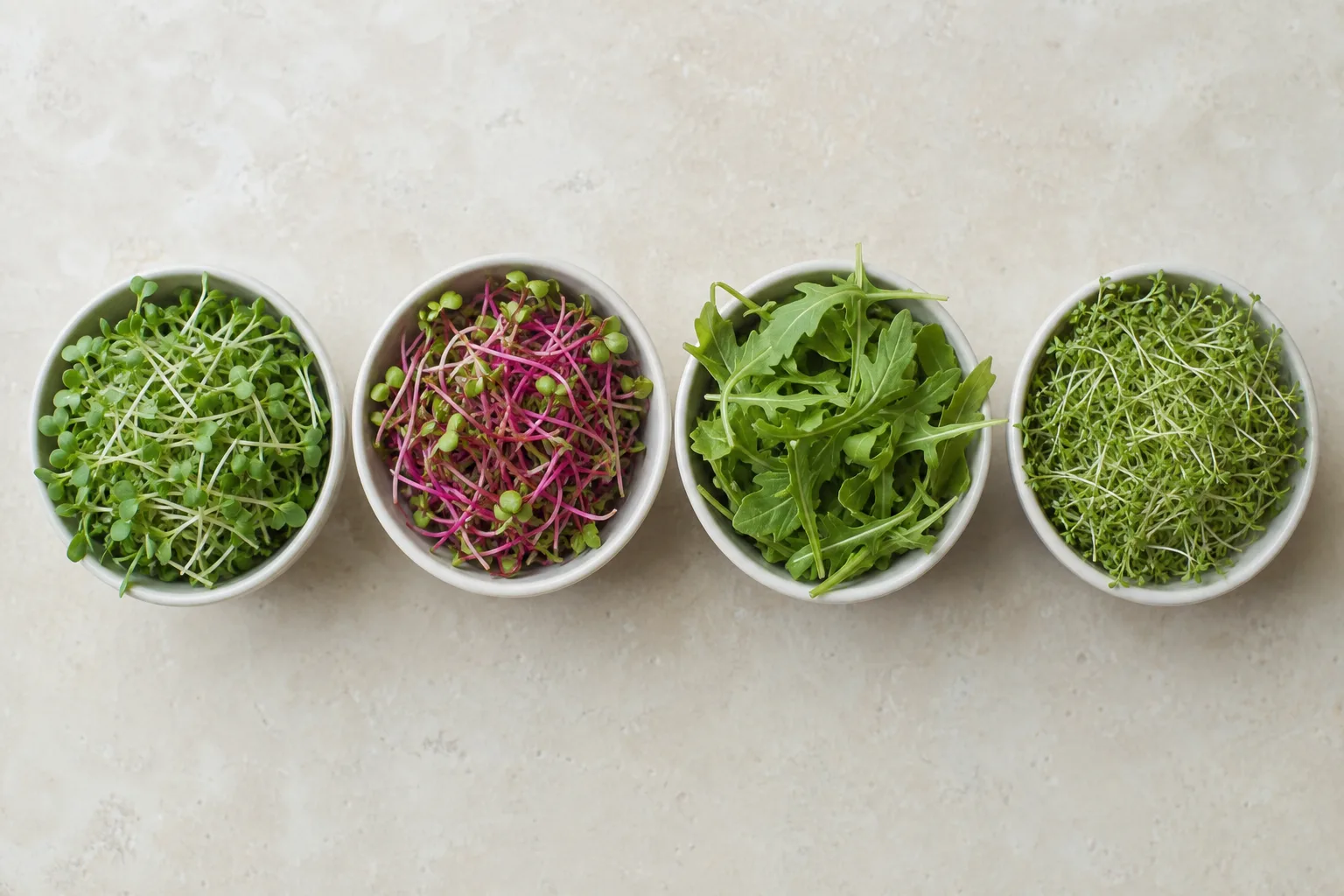
The Four Classic Spicy Microgreens
Not all heat is the same. Each spicy green leans on a slightly different mix of compounds, which produces noticeably different flavors and intensities. In sensory tastings, trained panels consistently separate these greens into distinct flavor profiles rather than lumping them together as simply "spicy." Mustard and arugula, for example, register as two clearly different experiences even though both are pungent.
Here is how the four classics compare.
| Microgreen | Heat level (1-5) | Flavor character | Days to harvest |
|---|---|---|---|
| Cress | 2 | Tangy, peppery, fresh | 7-10 |
| Arugula | 3 | Nutty, peppery, slightly bitter | 8-12 |
| Radish | 4 | Sharp, clean, horseradish-like | 5-7 |
| Mustard | 5 | Hot, wasabi-like, builds fast | 8-12 |
Mustard sits at the top. Its heat is the most aggressive and the quickest to build, with a wasabi-like rush that hits the sinuses. Red mustard and spicy mustard blends push this even further. Radish is sharp and clean, closer to fresh horseradish, and it has the bonus of being the fastest crop here, often ready in under a week. Arugula trades some raw heat for a nutty, almost peppered-cheese complexity that makes it the most food-friendly of the group. Cress is the gentlest, bright and tangy with just enough pepper to keep things interesting.
If radish is your gateway crop, our dedicated guide to radish microgreens goes deeper on growing and using it, and the same goes for mustard microgreens and arugula microgreens.
What Drives One Variety Hotter Than Another
Two factors decide how hot a given tray turns out. The first is genetics: how much glucosinolate the plant variety naturally produces. Mustard is simply built to make more than cress, full stop. The second is growing conditions, which can nudge the same seed toward milder or more intense.
Mild stress tends to push these plants to produce more defensive compounds, which means more potential heat. Cooler temperatures, brighter light, and a slightly older harvest age all tend to sharpen the bite. A younger, faster-grown, warmer tray usually tastes gentler. This is part of the broader story of how light and environment shape flavor, which we explore in our piece on light and microgreen nutrition. It is also why a consistent, controlled growing environment matters so much for predictable taste. A countertop grower like Luya holds light, temperature, and watering steady so your mustard tastes the same sharp way every harvest, rather than swinging from mild to molten depending on the season.
| Condition | Effect on heat | Why |
|---|---|---|
| Cooler temperatures | Increases | Plant ramps up defensive compounds |
| Brighter, longer light | Increases | More energy for metabolite production |
| Older harvest age | Increases | Glucosinolates accumulate over time |
| Warmer, faster growth | Decreases | Less stress, less defense response |
How to Use Each One in the Kitchen
The trick with spicy microgreens is matching their intensity to the dish. A few sharp leaves can lift a rich plate; a fistful of mustard can bulldoze it.
- Mustard is best treated like a condiment. A small pinch on a fatty cut of meat, a creamy soup, or a slice of sharp cheese cuts through richness beautifully. It is the wasabi of the greens world, so use it like wasabi.
- Radish loves anything that needs a clean, bright crunch: tacos, avocado toast, grain bowls, and creamy dips. Its heat is direct but does not linger as long as mustard's.
- Arugula is the everyday workhorse. Pile it onto pizza right out of the oven, fold it into pasta, or build a salad around it. Its nuttiness plays well with lemon, olive oil, and parmesan.
- Cress is the gentle finisher. It shines in egg dishes, on smoked salmon, in tea sandwiches, and anywhere you want freshness with only a hint of bite.
For more plating ideas, our guide to how to eat microgreens and our roundup of microgreens salad ideas are good next stops.
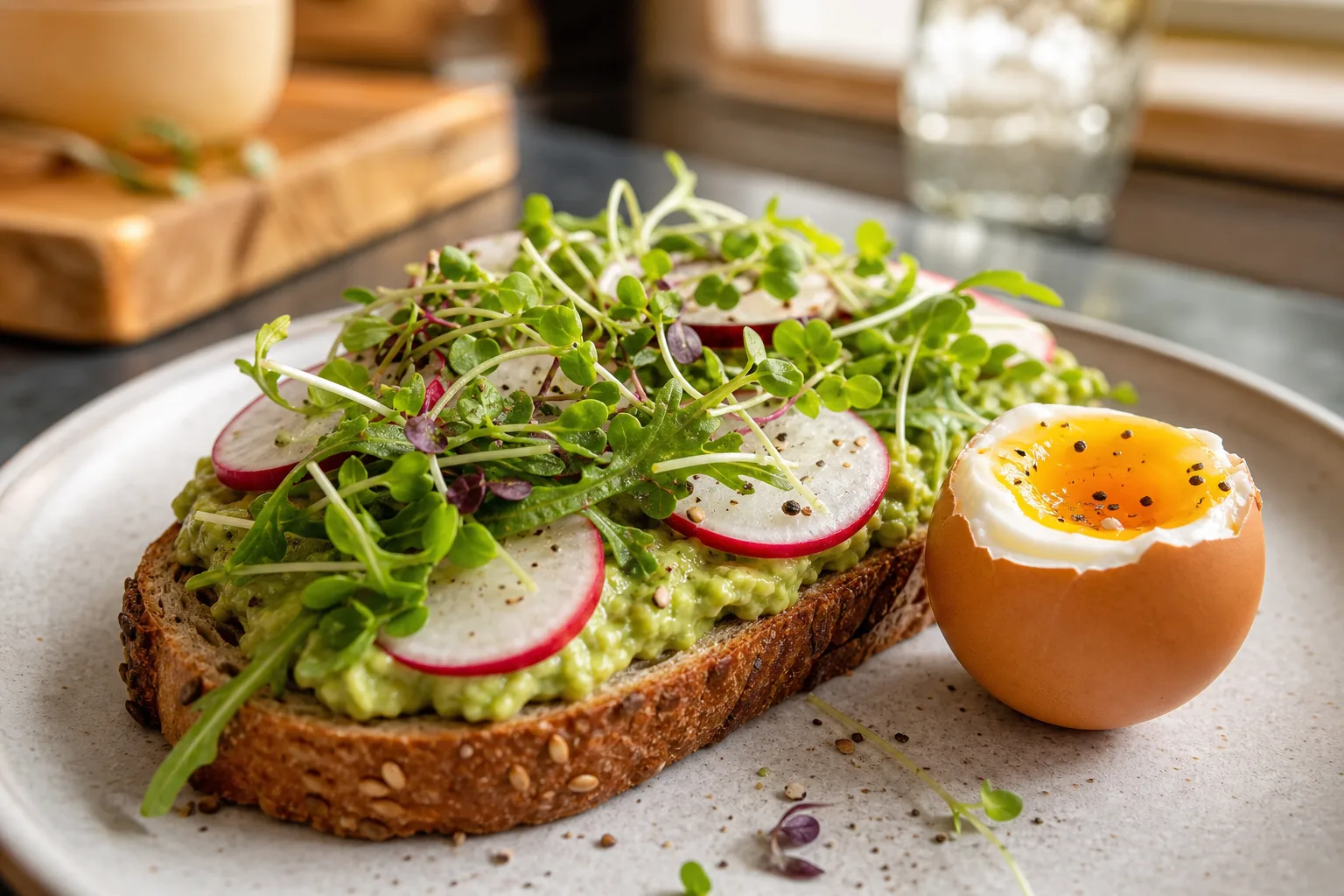
How to Tame the Heat When You Need To
Sometimes you want the nutrition and the color without the full burn. The good news is that the same chemistry that creates the heat also gives you levers to soften it.
Add fat. Isothiocyanates are partly fat-soluble, so olive oil, avocado, cheese, or a creamy dressing rounds off the sharp edges and carries the flavor more gently across the palate.
Add acid. A squeeze of lemon or a splash of vinegar brightens and balances pungency, which is why peppery arugula and a lemon vinaigrette are a classic pairing.
Apply gentle heat. Warmth deactivates the myrosinase enzyme, so wilting spicy greens into a hot dish at the last second mellows them noticeably. Stir them into soup off the heat, or scatter them on a pizza as it comes out of the oven. Be aware this trades some of the sharp flavor and some of the beneficial compounds for a softer taste, so it is a tool, not a default.
Chop less. Since heat builds with cell damage, leaving the leaves whole rather than mincing them keeps the burn lower. Tear gently if you want to preserve a milder profile.
Harvest younger or grow warmer. If you grow your own, an earlier harvest gives you a milder tray, which is a real advantage of having fresh greens on the counter rather than buying a fixed batch.
A Quick Word on Growing Your Own
Spicy microgreens are among the easiest crops to grow at home, and growing them yourself is the only way to get them at peak pungency, since the heat fades as the greens age in a clamshell on a store shelf. Radish in particular is famously beginner-friendly, sprouting fast and forgiving the occasional mistake. If you are just starting out, our overview of the easiest microgreens to grow and our walkthrough on how to grow microgreens at home will get you a sharp, fresh harvest in about a week.
The Bottom Line
The heat in spicy microgreens is not random. It comes from glucosinolates meeting myrosinase the moment you bite, releasing the pungent isothiocyanates that give mustard, radish, arugula, and cress their distinctive bite. Once you know that, the rest follows: mustard for a wasabi-like jolt, radish for a clean crunch, arugula for everyday nuttiness, and cress for a gentle finish. Lean on fat, acid, and a little warmth when you want to soften them, and grow your own when you want the heat at its brightest. A pinch is usually all it takes to turn an ordinary plate into something that wakes you up.