This article is for general education and is not medical advice. Talk to your doctor before changing your diet for a health condition or if you take medication.
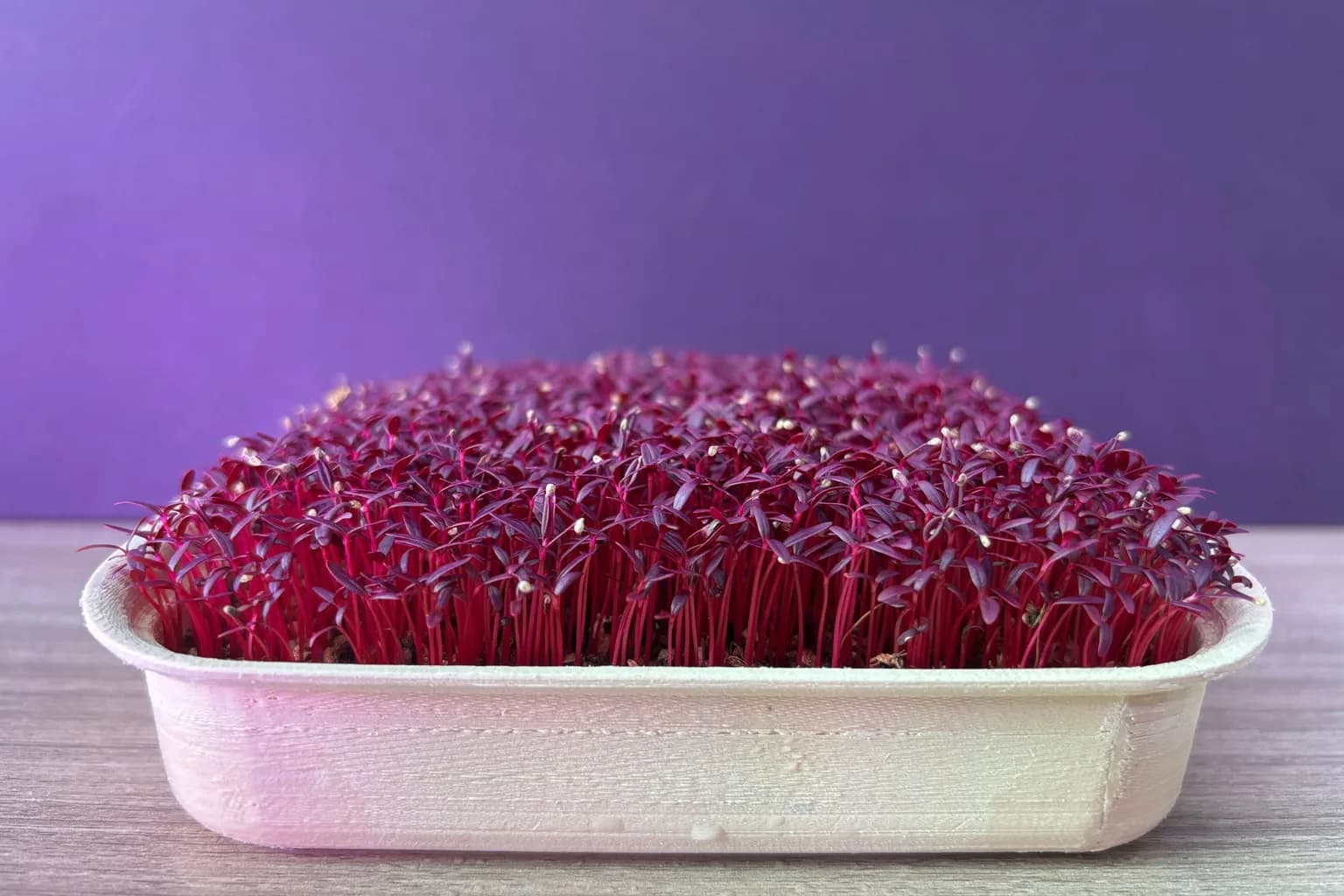
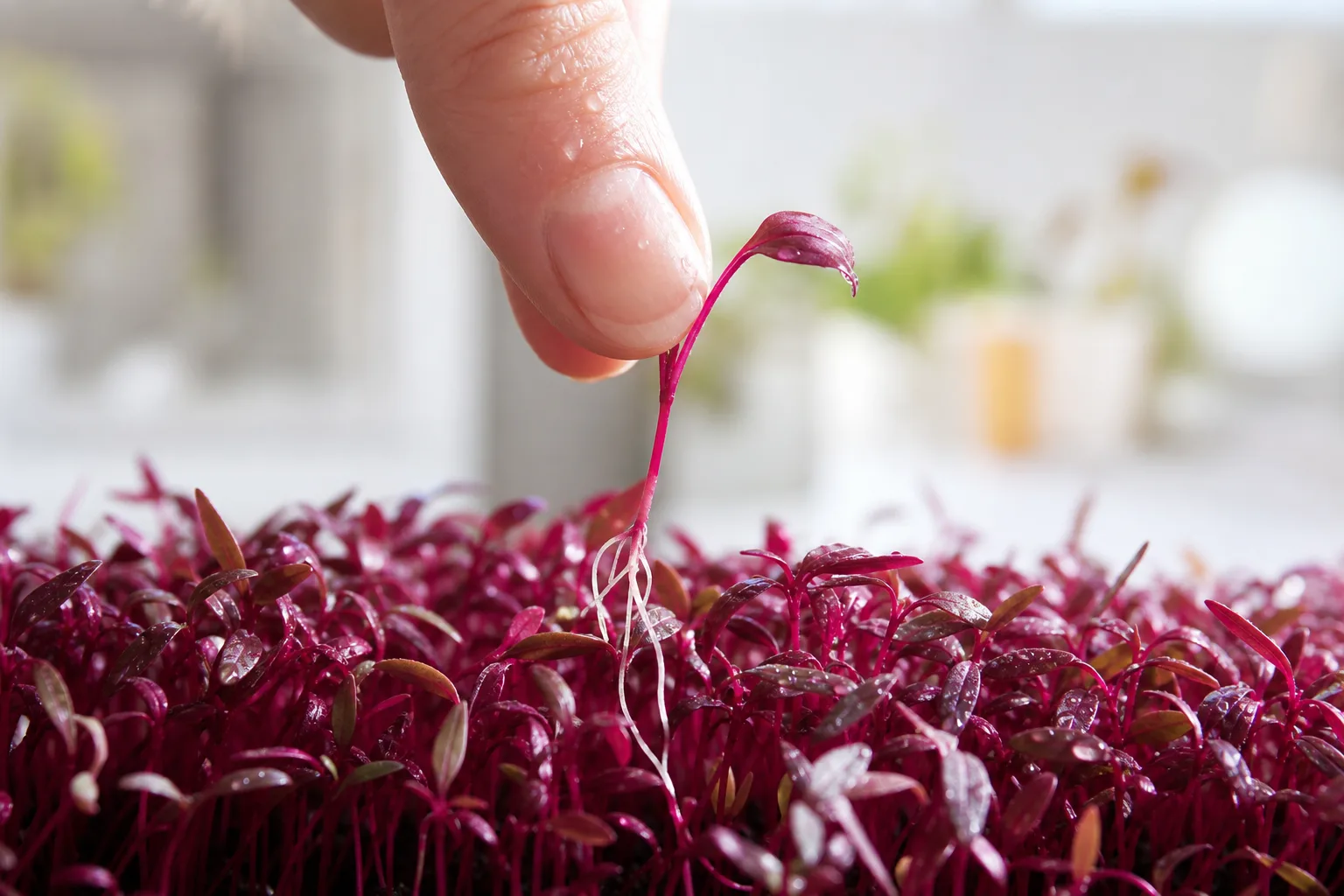
Some greens earn your attention with flavor. Amaranth earns it with color. The first time you grow a tray, the magenta is almost startling, a shock of fuchsia and crimson that looks more like something from a coral reef than a vegetable. That color is not a gimmick or a dye. It is the plant's chemistry on full display, and it happens to be the same chemistry that makes amaranth worth eating.
If you have grown faster crops like radish microgreens and want something that brings drama to the plate, amaranth is your next tray. It asks for a little more patience and a gentler hand, but the payoff is a green that doubles as edible decoration and a quiet source of plant iron and antioxidants.
Where That Magenta Color Comes From
The vivid pigment in amaranth comes mostly from a family of compounds called betalains, with a supporting cast of anthocyanins in some varieties. These are not just for show. In the plant, pigments like these are part of a defense and protection system, the kind of low-molecular-weight compounds plants make to cope with stress rather than to grow. The redder the seedling, the more of that pigment chemistry is on display.
Here is the part most people find surprising: light is the dial that controls it. Plant scientists have shown that the color and antioxidant compounds in seedlings respond strongly to the light they receive. Blue and ultraviolet light, in particular, switch on the cellular machinery that builds anthocyanins and other phenolic pigments, while light that is too dim leaves seedlings pale and leggy. In practical terms, that means how you light an amaranth tray directly shapes how red, and how nutrient-rich, it turns out. If you want the deeper science, our explainer on light and microgreen nutrition and the companion piece on microgreens anthocyanins walk through exactly how this works.
This is also why color and nutrition tend to travel together in microgreens. The same pigments that make amaranth beautiful are antioxidants doing real work, which is the theme we explore in microgreens color and taste.
The Nutrition: Iron, Antioxidants, and More
Amaranth has a long history as a nutrient-dense grain crop, and the microgreen stage concentrates much of that value into a tender, raw-edible form. Microgreens broadly run about 2 to 3.5 times more nutrient-dense than their mature counterparts, and amaranth fits that pattern, with a particular reputation for plant-based iron alongside vitamins C and K, calcium, and a generous load of pigment-based antioxidants.
Here is a rough picture of how amaranth microgreens stack up nutritionally. Treat these as reasonable estimates for fresh greens, not lab-exact figures, since growing conditions move the numbers.
| Nutrient (per ~100g fresh) | Amaranth microgreens | Why it matters |
|---|---|---|
| Iron | ~3-4 mg | Supports oxygen transport in blood |
| Vitamin C | ~30-45 mg | Helps your body absorb plant iron |
| Vitamin K | High | Bone and blood-clotting support |
| Betalains / anthocyanins | High | Antioxidant pigments, source of color |
| Calcium | Moderate | Bone support |
The iron point deserves a footnote. Plant (non-heme) iron is absorbed less efficiently than the iron in meat, but vitamin C meaningfully improves uptake, and amaranth conveniently carries both. Pairing the greens with a squeeze of citrus or a tomato-based dish is a simple way to get more out of them. For anyone leaning on plants for this nutrient, our guide to microgreens for iron goes deeper, and are microgreens good for you covers the broader evidence in plain language.
One honest caveat: because amaranth seedlings are small and light, you are usually eating them as a topping rather than by the bowlful, so think of them as a concentrated booster, not a primary iron source.
Growing Amaranth: Respect the Tiny Seeds
Amaranth seeds are tiny, dust-fine, and this is the single biggest thing that separates a great tray from a disappointing one. They are nothing like the chunky, forgiving seeds of radish or pea shoots. Sow too thickly and the canopy mats together, traps moisture, and invites mold. Sow too thinly and you get a sparse, patchy tray.
A few principles make amaranth much more reliable:
- Sow lightly and evenly. With seeds this small, restraint is the skill. A thin, even scatter beats a heavy hand every time.
- Surface-sow; do not bury. These seeds want to sit right on top of the medium. Press them gently into contact rather than covering them.
- Keep germination humid but not wet. A short covered, dark period helps them sprout evenly. Mist rather than drench.
- Bring on the light early. Once sprouted, amaranth needs good light promptly to develop that signature red and to avoid stretching into weak, leggy stems.
- Mind the airflow. Gentle air movement is your best defense against the fungus that loves a damp, crowded tray.
That fourth point connects back to the science. Strong, well-balanced light does double duty here: it keeps stems sturdy and deepens the pigment and antioxidant content at the same time. Skimp on light and you get pale, floppy seedlings that are both less attractive and less nutritious. If you have battled the classic problems, fix leggy microgreens and why microgreens keep molding are worth a read before you start.
| Stage | Timing | What to watch for |
|---|---|---|
| Germination (dark) | 2-3 days | Even sprouting, no standing water |
| Greening (light) | Day 3 onward | Color developing, stems staying upright |
| Harvest | 8-12 days | First true leaves, vivid magenta color |
Compared to a five-day radish crop, amaranth's 8-to-12-day window asks for steadier attention. The reward is a tray that genuinely stops people mid-conversation.
How to Eat Amaranth Microgreens
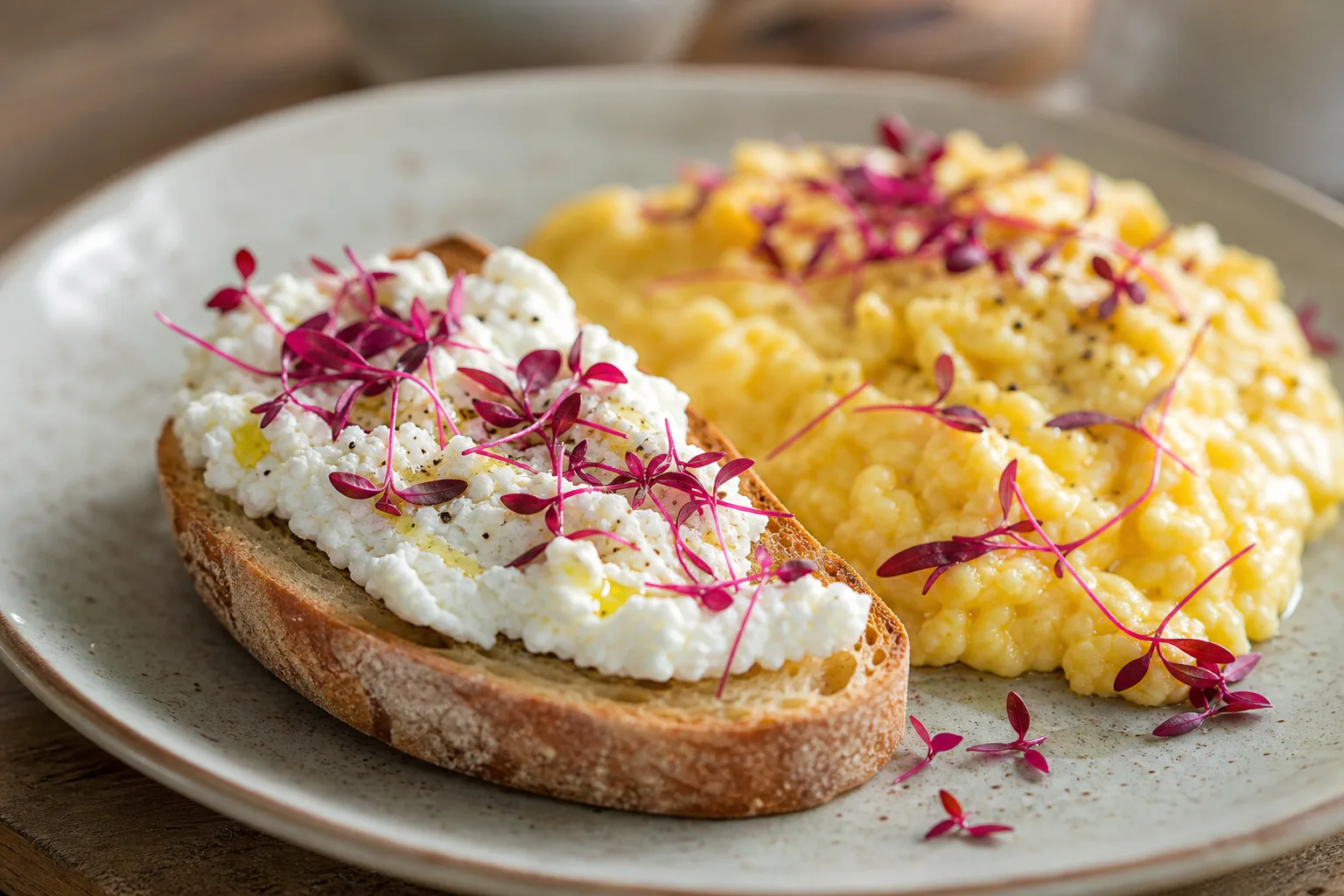
Amaranth's flavor is mild, mellow, and slightly earthy, closer to a tender beet green than anything sharp or peppery. That subtlety is a feature: it means the color leads and the taste plays along with almost anything. Treat amaranth as the green you reach for when you want a dish to look as good as it tastes.
A few easy ways to use it:
- As a finishing garnish on soups, risotto, hummus, or anything pale that needs a jolt of color.
- Scattered over eggs and avocado toast for a bright, gentle, beautiful breakfast.
- Folded raw into salads, where the magenta plays off green leaves and citrus.
- On crostini or grain bowls, draped on at the very end like a chef would.
The one rule worth repeating for any colorful microgreen: keep it raw and add it last. Heat both dulls the magenta and degrades the delicate, pigment-based antioxidants you grew it for. For more plating inspiration, see microgreens garnish like a chef and our broader how to eat microgreens guide.
Getting Consistent Color, Every Tray
The catch with amaranth is the same one that trips up most home growers, just amplified by those tiny seeds and that demand for good light. Store-bought amaranth microgreens are pricey and often days old, with the color fading by the time you get them home. Growing your own fixes freshness and cost but reintroduces the consistency problem: uneven sowing, mold in a crowded tray, and pigment that never fully develops because the light was not quite right.
This is exactly the gap Luya was built to close. It is a countertop grower that handles the variables amaranth is fussiest about: it manages watering and airflow so a dense tray does not mold, and it delivers consistent, tuned light so seedlings green up sturdy and turn that deep, reliable magenta instead of a washed-out pink. You drop in a pre-seeded tray, and the chamber does the daily work. The result is the upside of amaranth, vivid color and fresh antioxidants, without the failure rate that comes with finicky seeds and guesswork lighting.
The Bottom Line
Amaranth microgreens are proof that beauty and nutrition can be the same thing. The magenta you see is betalains and anthocyanins, pigments the plant builds in response to light, and those same compounds are the antioxidants on your plate alongside a useful dose of plant iron. They take a little more care than a beginner crop, mostly because of those dust-fine seeds and their appetite for good light, but few greens reward you so visibly. Sow lightly, light them well, eat them raw, and pair them with a little vitamin C. Once you have a steady supply, you will find yourself adding a pinch of magenta to almost everything, just because you can.